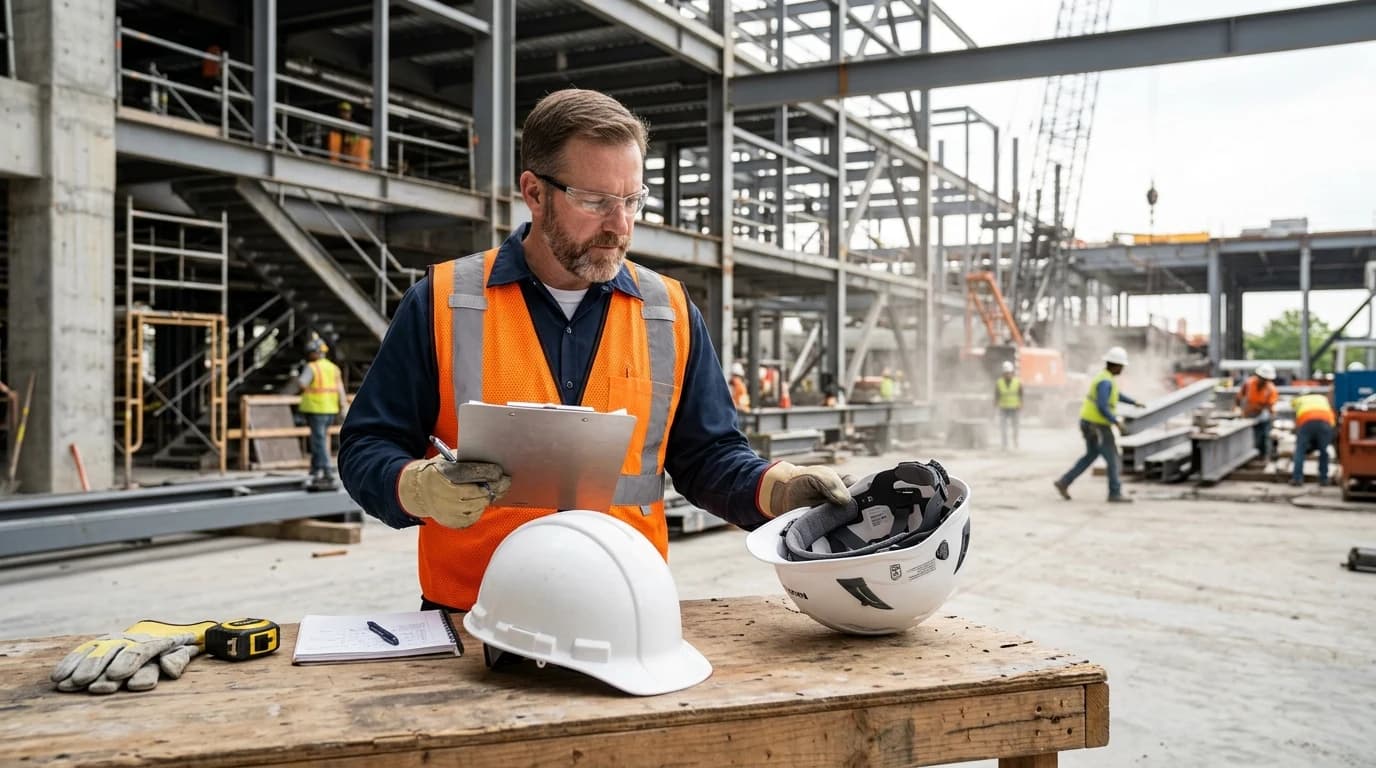
Buyer next step
Turn this guide into a sourced PPE shortlist with standards, quantities, and role-based kit notes.
Planning tools
Use these tools before moving from this guide into quantities, sizing, labels, or RFQ planning.
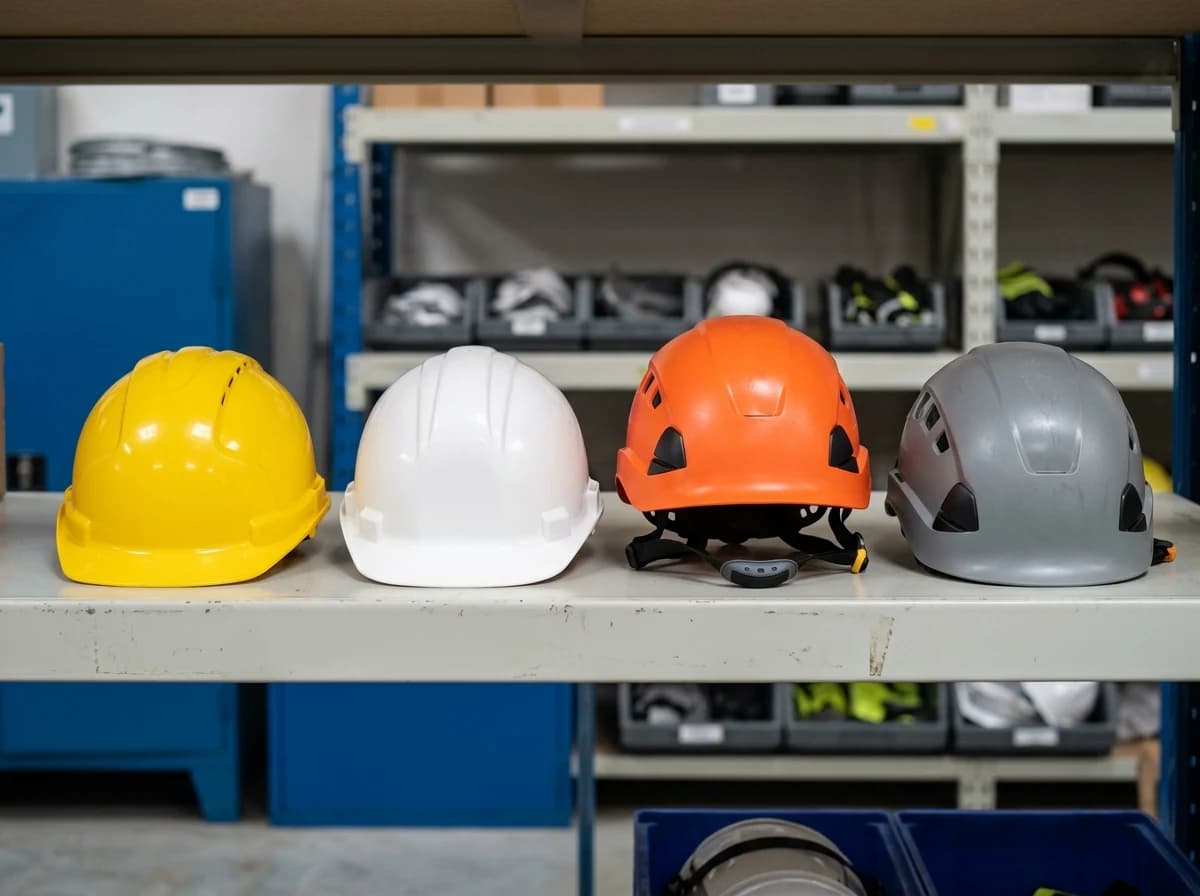
Type 1 vs Type 2 hard hats is one of the most important head protection decisions in a construction PPE order. Type 1 hard hats are mainly for top impact. Type 2 hard hats are designed for top and lateral impact. That means the right answer depends on how a worker can be struck, not just whether the product is called a hard hat or safety helmet.
Hard hat classes are a different decision. Class G, Class E, and Class C describe electrical protection. They do not describe impact direction. A buyer can specify Type 1 Class G, Type 1 Class C, Type 2 Class E, or other combinations depending on the product and the site hazard.
This guide is written for construction buyers, safety managers, contractors, distributors, and procurement teams who need to write a clearer RFQ for hard hats, safety helmets, and head protection kits.
Use this page for the focused Type 1 vs Type 2 decision. For the focused electrical class decision, use the Class E vs Class G vs Class C hard hats guide. For shell airflow and Class C risk, use the vented vs non-vented hard hats guide. For brim shape, use the full brim vs cap style hard hats guide. For color coding by role, visitor stock, or site identification, use the hard hat color codes guide. For the broader category overview, use the construction hard hat types guide. If your decision is whether to upgrade from traditional hard hats to helmet-style head protection, use the safety helmet vs hard hat guide. For the full PPE package, start with the construction PPE solution page.
Quick Answer: Type 1 vs Type 2 Hard Hats
Choose Type 1 when the main concern is impact to the top of the head from falling or flying objects. Choose Type 2 when side, front, rear, or off-center impact is also realistic, such as scaffolding, steel work, demolition, climbing, low-clearance structures, and work near moving equipment.

| Buyer question | Short answer | What to write in the RFQ |
|---|---|---|
| What is the difference between Type 1 and Type 2 hard hats? | Type 1 is mainly top impact. Type 2 includes top and lateral impact protection. | State ANSI/ISEA Z89.1 Type I or Type II. |
| Are Type 2 hard hats required for all construction workers? | No. They are task-based, not universal. | Specify by role or work zone instead of one blanket rule. |
| Is Type 1 Class C safe for construction? | Only where electrical exposure is not present and top-impact protection is enough. | Use Class C only where electrical hazards are controlled out. |
| Is Type 1 Class G a good baseline? | Often, for general construction where top impact and limited electrical exposure may exist. | Confirm the product marking, fit, accessories, and hazard match. |
| When should I buy Type 2? | When lateral impact, climbing, retention, or congested work is credible. | Ask for Type II, chin strap options, accessory compatibility, and sample testing. |
For procurement, use the Construction PPE RFQ Template and add a head protection line for Type, Class, shell style, chin strap, accessory compatibility, size range, replacement parts, and documentation.
Type 1 And Type 2 Are Impact Ratings, Not Electrical Ratings
The most common buying mistake is treating Type and Class as the same thing. They answer different questions.
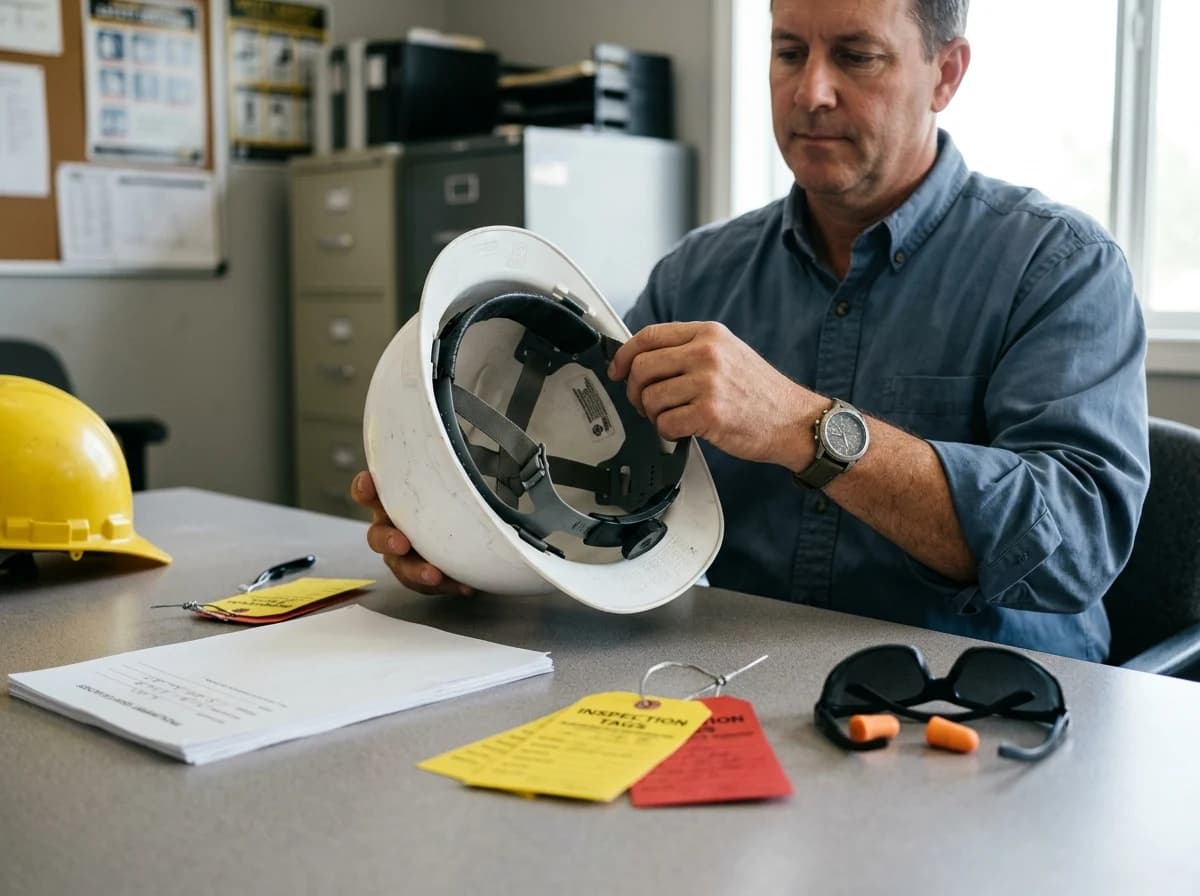
Type answers: where can the impact come from?
Class answers: what level of electrical protection is needed?
That means these two statements are incomplete:
- "We need Class E, so it must be Type 2."
- "We need Type 2, so it must be electrical."
A hard hat or safety helmet can have an impact type and an electrical class. The buyer needs both. A product label, data sheet, or certificate should make the combination clear.
Better RFQ wording:
Construction head protection meeting ANSI/ISEA Z89.1, Type I or Type II as specified by work zone, Class G/E/C as specified by electrical exposure, with compatible suspension, chin strap where required, and accessory documentation.
This is more useful than asking suppliers for "construction helmets" or "OSHA approved hard hats." OSHA does not make one universal construction hard hat choice for every worker. The employer has to match head protection to the hazard.
What Type 1 Hard Hats Mean
Type 1 hard hats are designed mainly for impact to the top of the head. They are common in construction because many head hazards come from above: dropped tools, loose materials, overhead work, falling debris, or suspended loads.
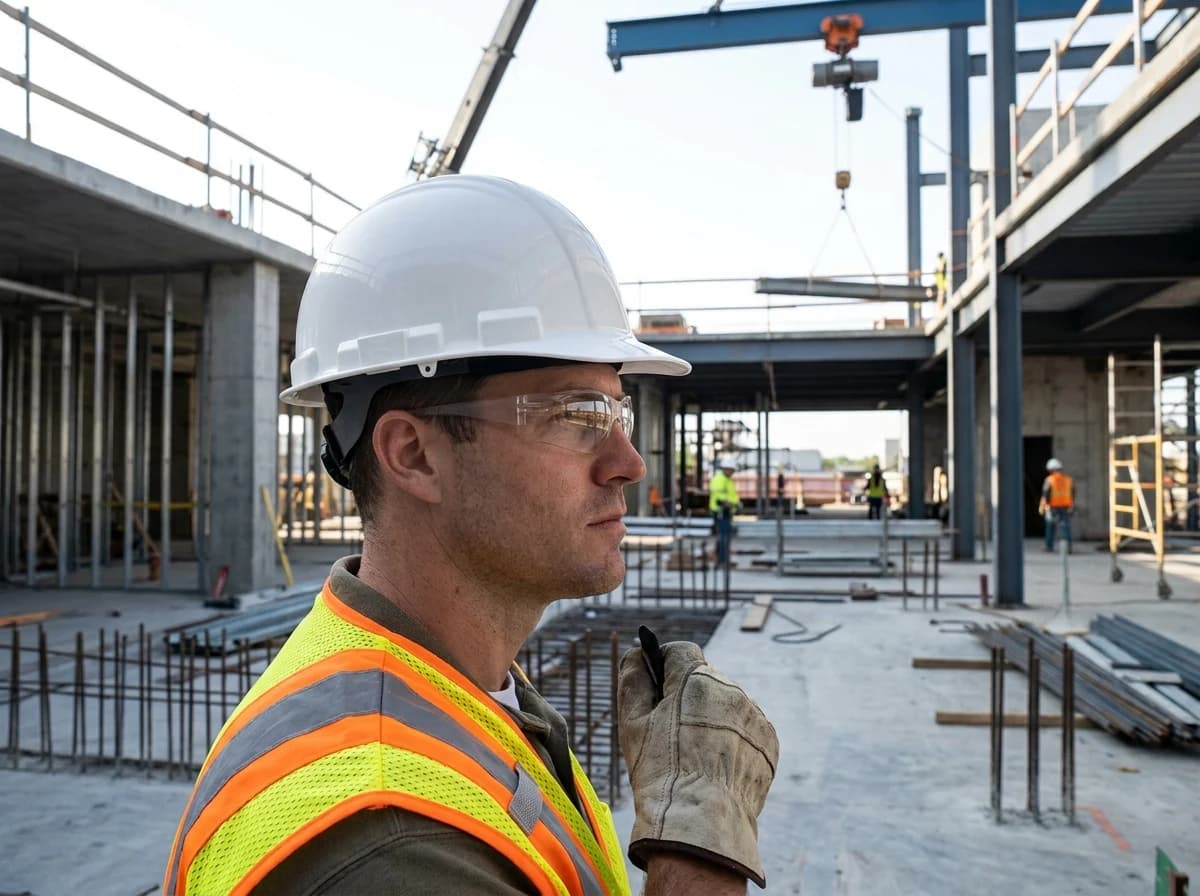
Type 1 may be a reasonable starting point for:
- general site access
- ground-level labor
- material handling
- visitors in controlled areas
- routine supervision and inspection
- general building construction where side-impact risk is low
- warehouse, yard, or staging work connected to a project
Type 1 is not "low quality." It is simply focused on top impact. For many construction roles, Type 1 plus the correct electrical class, fit, and inspection program may be enough.
The limitation is lateral exposure. If a worker is likely to hit the side of the head against scaffold frames, steel, equipment, formwork, trench shields, ladders, or low structures, Type 1 may not be the strongest specification.
What Type 2 Hard Hats Mean
Type 2 hard hats are designed for top and lateral impact. In construction buying, this usually matters when the worker moves through complex structures, climbs, leans, works at height, or works around side-impact hazards.
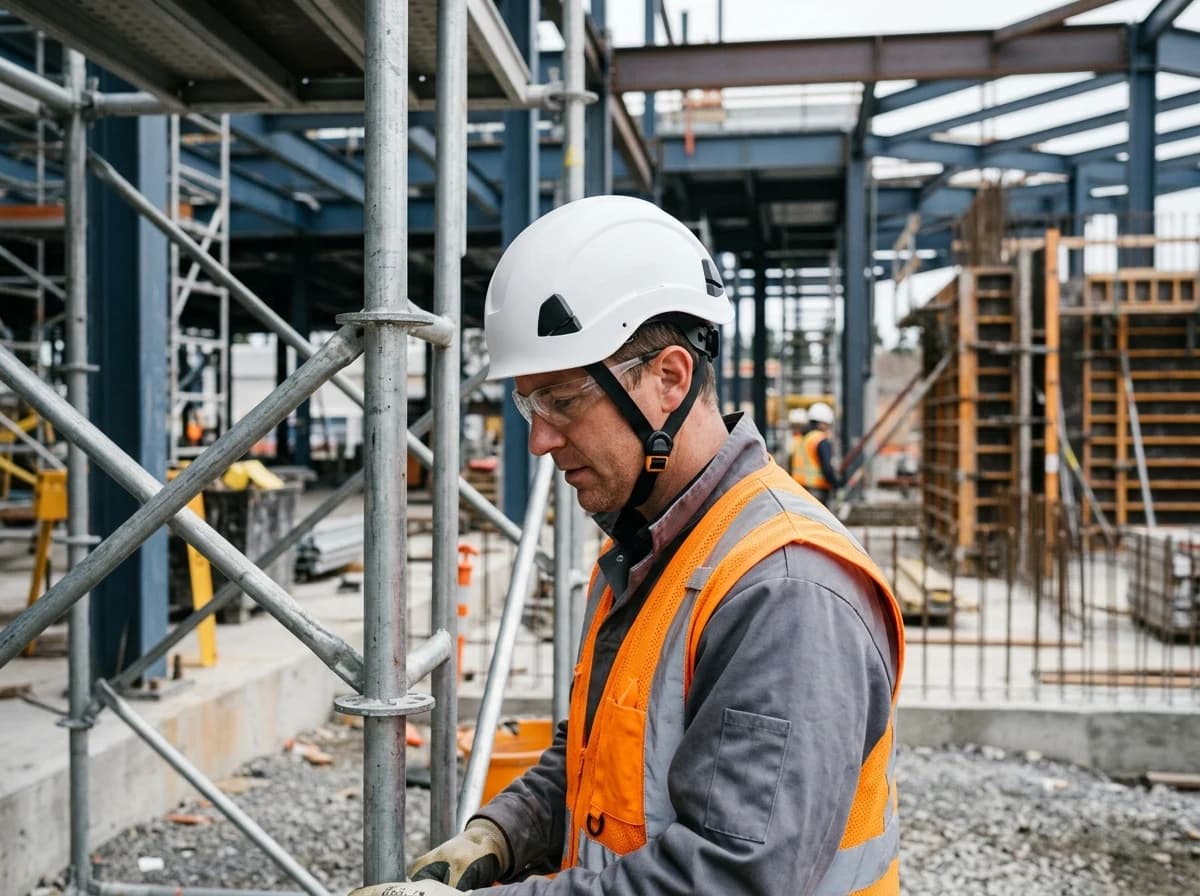
Type 2 is worth considering for:
- scaffolding erection and dismantling
- steel erection and connector work
- demolition and renovation
- bridge, overpass, and elevated platform work
- roofing where retention and movement matter
- tower, utility, ladder, and climbing tasks
- low-clearance mechanical spaces
- congested structures and temporary works
- work near moving equipment, fixed structures, or suspended loads
Many modern construction safety helmets are purchased because buyers want Type 2 protection, chin straps, and stronger retention. But the helmet style is not enough. The product still needs the correct tested Type and Class.
Type 2 can cost more, feel different, and require more fit trials. That does not make it unnecessary. It means Type 2 should be specified where the side-impact risk is real, not randomly added to every role without checking comfort, accessories, and replacement stock.
Class G, Class E, And Class C Explained
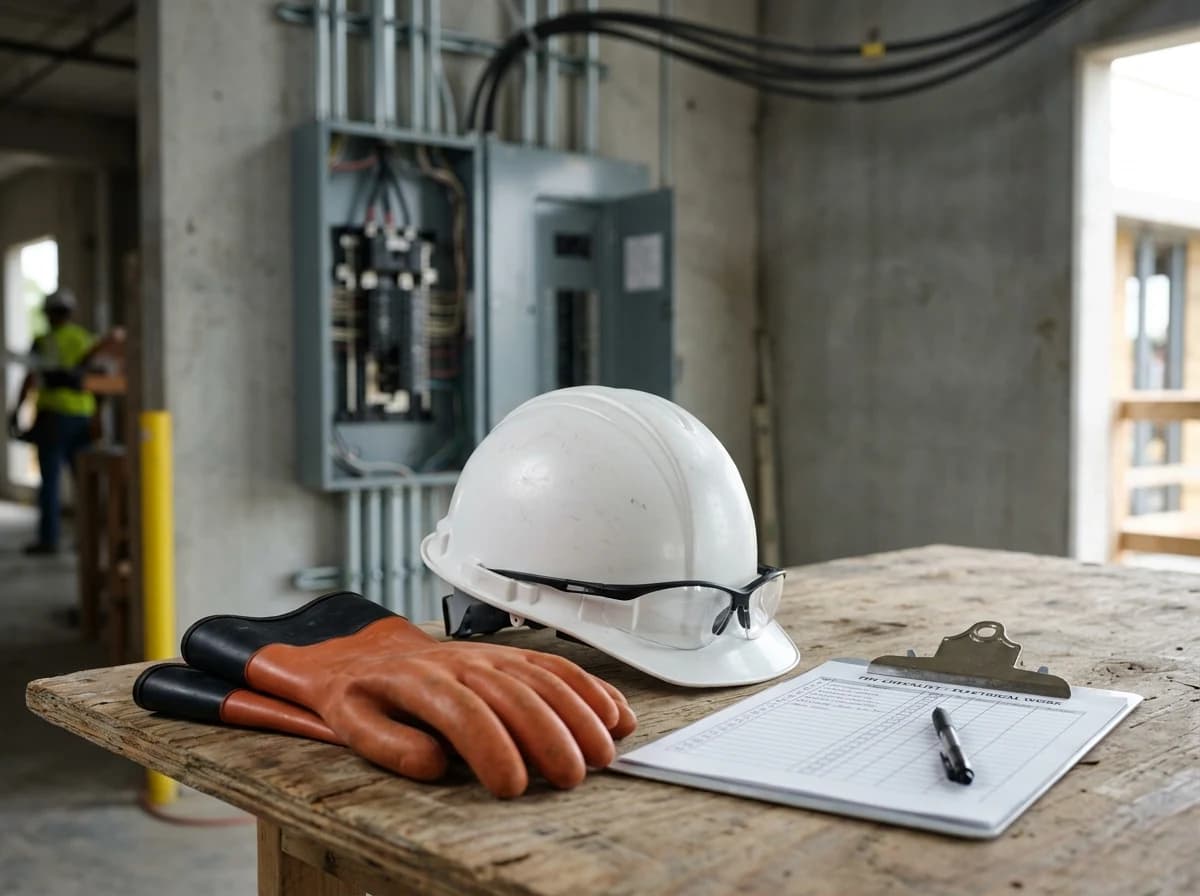
Hard hat classes describe electrical protection. The three common classes are Class G, Class E, and Class C.
| Class | Practical meaning | Typical buyer use | Main warning |
|---|---|---|---|
| Class G | General electrical protection | General construction where limited electrical exposure may exist | Still not a complete electrical PPE program |
| Class E | Higher electrical protection | Electrical work, utility work, overhead line exposure, energized equipment areas | Usually non-vented; check heat and accessories |
| Class C | No electrical protection | Hot, non-electrical work where ventilation is useful | Do not use where electrical shock or burns are credible |
Class G hard hats
Class G hard hats are often used as a general construction baseline. They can make sense where workers need head impact protection and limited electrical protection may be useful.
Buyers should still treat Class G as one part of the safety decision, not a substitute for electrical planning. If workers are installing temporary power, working near energized systems, or entering utility exposure, the site should review whether Class E or a different electrical PPE setup is needed.
Class E hard hats
Class E hard hats are selected where higher electrical protection is required. They are common for electricians, utility crews, and construction workers near energized equipment or overhead power lines.
Class E products are usually non-vented. That can create heat and comfort issues, but the electrical exposure comes first. Do not downgrade to a vented Class C model because it feels better if the task needs electrical insulation.
Class C hard hats
Class C hard hats do not provide electrical protection. They may be vented and comfortable, which can help in hot weather, roadwork, or non-electrical outdoor work.
The buying risk is simple: Class C can look like a normal construction hard hat, but it is not the right choice where electrical exposure exists. If a site has temporary power, overhead lines, energized panels, lift equipment near power sources, or mixed electrical work, Class C should not be the default site-wide order.
Common Combinations Buyers Ask About
Type 1 Class C hard hat
A Type 1 Class C hard hat is a top-impact hard hat without electrical protection. It may be vented and comfortable for hot non-electrical work.
It can fit:
- hot outdoor work away from electrical exposure
- general labor where electrical hazards are controlled out
- roadwork or yard work where ventilation is useful
- visitor helmets in clearly non-electrical areas
It is not a good default for mixed construction sites with temporary electrical systems, overhead lines, electrical installation, or unknown exposure.
Type 1 Class G hard hat
A Type 1 Class G hard hat is a top-impact hard hat with general electrical protection. Many buyers treat this as a practical baseline for general construction head protection.
It can fit:
- general building construction
- material handling
- site supervision
- basic overhead-object exposure
- many crews that do not need lateral impact protection
The buyer still needs to check whether any crew needs Type 2, Class E, chin straps, or specific accessories.
Type 2 Class E hard hat or safety helmet
A Type 2 Class E product is often considered when side impact and electrical exposure both matter.
It can fit:
- electrical work with lateral impact exposure
- utility construction
- elevated electrical work
- bridge or industrial construction near energized systems
- complex sites where retention, side impact, and electrical class all matter
This combination usually needs more careful accessory planning. Check goggles, face shields, earmuffs, headlamps, respirators, and chin straps before ordering in bulk.
Type 2 Class C helmet
A Type 2 Class C helmet may provide side-impact protection but no electrical protection. It can fit some elevated, scaffold, demolition, or high-movement tasks where electrical exposure is not present and ventilation is important.
The mistake is assuming Type 2 automatically means electrical protection. It does not.
Which Hard Hat Should Contractors Buy In Bulk?
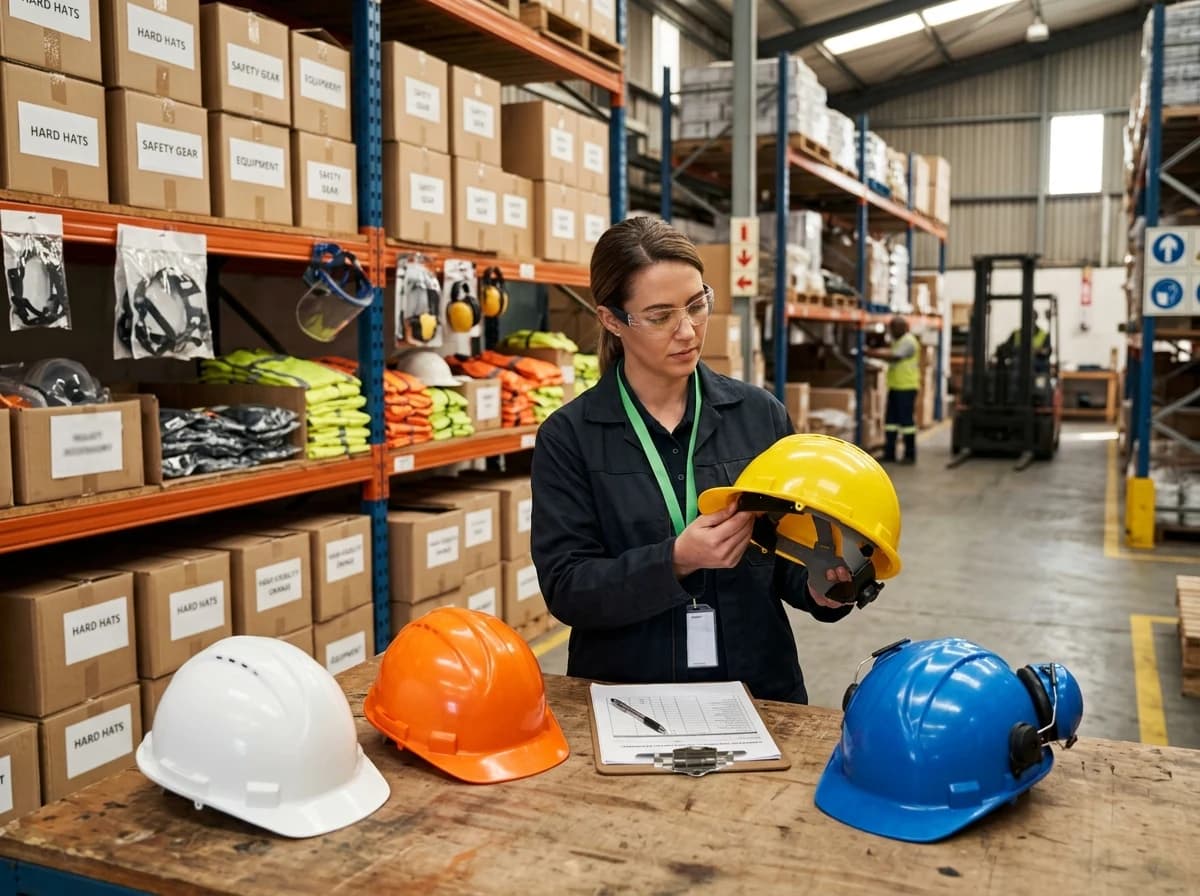
For contractors buying head protection in bulk, the safest approach is not one universal hard hat. It is a role-based purchasing matrix.
| Worker group | Likely starting point | Upgrade trigger |
|---|---|---|
| General labor and site access | Type 1 Class G or equivalent site baseline | Type 2 if side impact or low-clearance movement is common |
| Electrical crews | Class E, often non-vented | Type 2 if side impact, climbing, or elevated work is present |
| Scaffold crews | Type 2 with retention where justified | Class E if electrical exposure is also present |
| Steel crews | Type 2, chin strap where needed | Add accessory checks for eye, hearing, and fall protection |
| Demolition crews | Type 2 where side impact and debris are likely | Add face, eye, respiratory, hearing, and glove compatibility |
| Road and bridge crews | Class based on electrical exposure, hi-vis integration | Type 2 where bridge, edge, equipment, or side-impact risk is present |
| Visitors and short-term contractors | Site baseline that matches access zones | Separate electrical and high-risk zones from visitor stock |
If a contractor has several types of work, the RFQ should separate head protection by role. A single "hard hats x 500" line is too vague for serious construction procurement.
Better buying lines:
- General site hard hats: Type I, Class G, ratchet suspension, color by role, spare suspensions.
- Electrical crew helmets: Class E, non-vented, compatible face and eye protection.
- Scaffold and steel crew helmets: Type II, chin strap, accessory compatibility, trial samples required.
- Visitor hard hats: site baseline specification, easy adjustment, inspection and replacement plan.
For a full crew order, connect this page to the bulk construction PPE procurement guide and contractor PPE kit checklist.
How To Write A Better Hard Hat RFQ
A weak RFQ says:
Need construction hard hats, yellow, 500 pcs.
A better RFQ says:
Construction head protection for general site access: ANSI/ISEA Z89.1 Type I, Class G, ratchet suspension, adjustable size range, accessory slot compatibility, replacement suspensions available, color options by role, manufacturer documentation supplied before shipment.
For Type 2 work, the RFQ should be more specific:
Construction head protection for scaffold and steel crews: ANSI/ISEA Z89.1 Type II, electrical class to be confirmed by work zone, manufacturer-approved chin strap, compatible with safety glasses, sealed goggles, helmet-mounted earmuffs, face shield adapters, and headlamp options. Supplier must provide samples for fit and accessory testing before bulk order.
Include these fields:
- standard and edition referenced by the product documentation
- Type I or Type II
- Class G, Class E, or Class C
- shell style: cap, full brim, or helmet style
- vented or non-vented shell
- suspension type and adjustment range
- chin strap or retention requirement
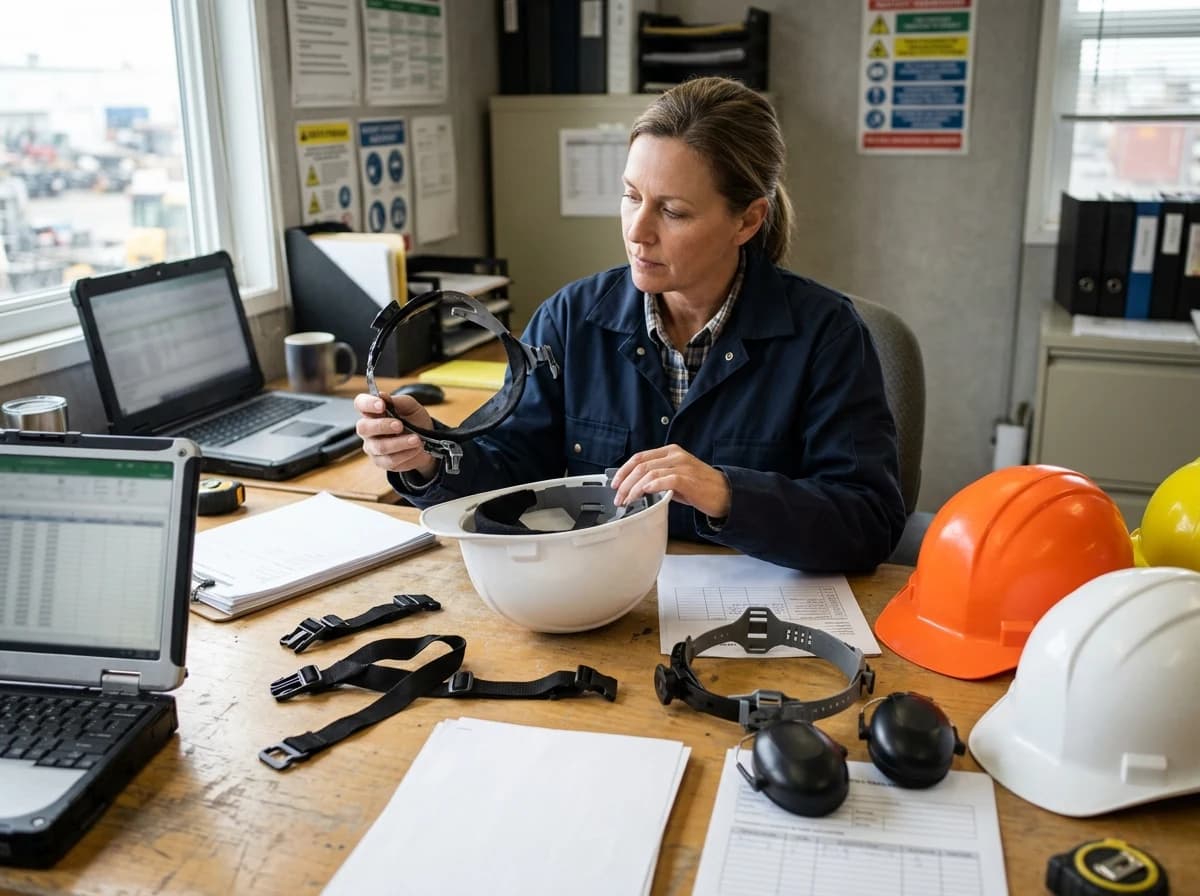
- compatible eyewear, face shield, earmuff, headlamp, and communication accessories
- replacement suspensions, straps, sweatbands, and spare parts
- color coding by role, site, or contractor
- label photos and product data sheet
- carton labeling and reorder SKU stability
- sample requirement before bulk approval
Use the hard hat class decoder when the buyer needs a quick way to explain Type and Class before sending an RFQ.
Common Buying Mistakes
Mistake 1: Buying Class C because it is cooler
Ventilation matters, but Class C does not provide electrical protection. If electrical exposure is possible, comfort cannot be the only decision.
Mistake 2: Assuming Type 2 is always required
Type 2 is useful where lateral impact is credible. It is not automatically required for every worker on every site. Buy it where the exposure justifies it.
Mistake 3: Treating safety helmets as automatically better
A helmet-style product still needs the correct standard, Type, Class, fit, accessories, and documentation.
Mistake 4: Forgetting accessory compatibility
Hard hats and safety helmets must work with safety glasses, goggles, face shields, respirators, hearing protection, winter liners, headlamps, and fall protection.
Mistake 5: Not testing with real workers
Head protection can pass a standard and still fail adoption if it is hot, unstable, heavy, incompatible with other PPE, or uncomfortable for a full shift.
Mistake 6: Buying the shell but not the replacement system
Order spare suspensions, chin straps, sweatbands, replacement parts, and stable reorder SKUs. A hard hat program fails quickly when replacement parts are unavailable.
Field Selection Checklist
Use this checklist before approving a bulk hard hat order:
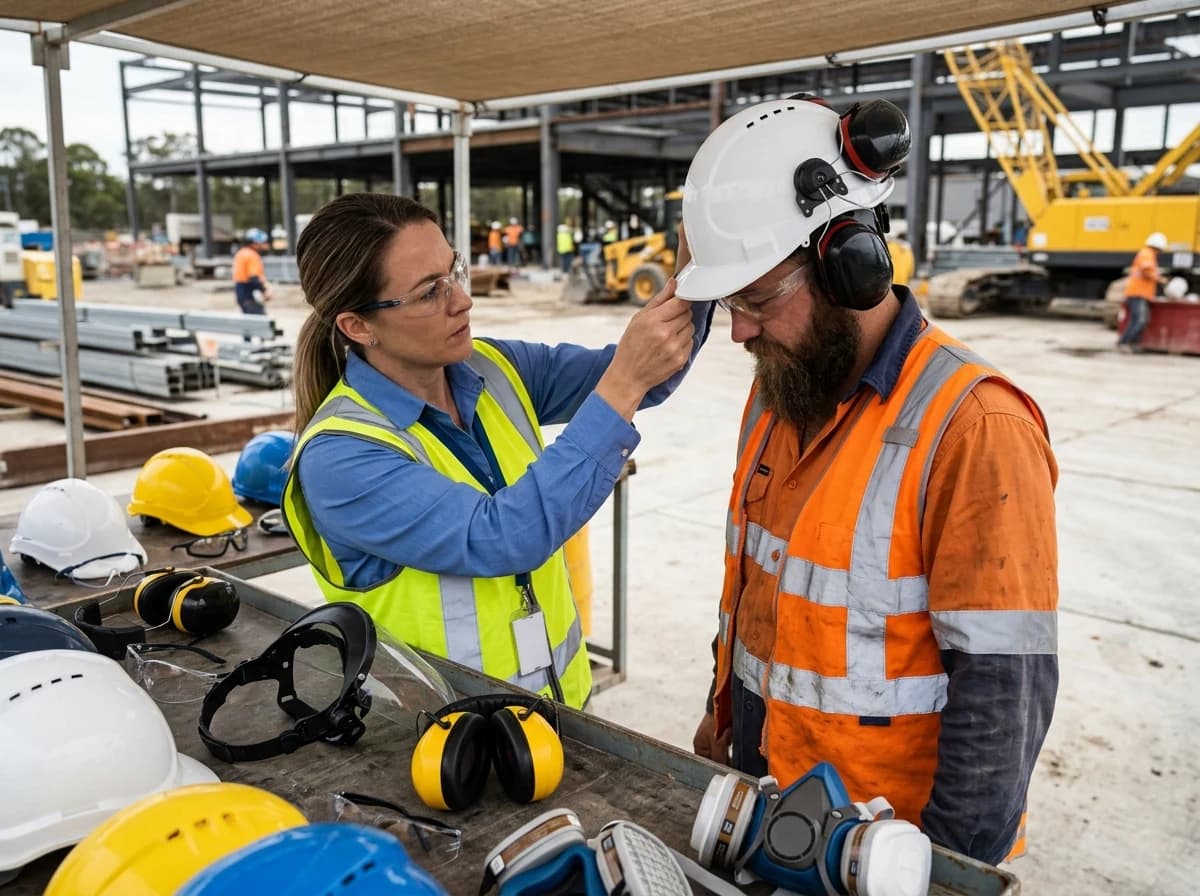
- What head hazards are present: top impact, side impact, falling objects, flying debris, electrical shock, burns, or retention loss?
- Which roles need Type I and which roles need Type II?
- Which roles need Class G, Class E, or Class C?
- Are Class C models separated from electrical work zones?
- Does the helmet need a chin strap?
- Does the shell need to be vented or non-vented?
- Will it fit with safety glasses, goggles, face shields, earmuffs, respirators, lights, and hoods?
- Does the suspension fit the workforce size range?
- Are replacement suspensions and chin straps available?
- Are labels, data sheets, and documentation clear enough for safety review?
- Has the team tested samples before placing the full order?
- Is the final RFQ separated by role instead of one generic SKU?
Related Guides And Tools
- Construction hard hat types guide
- Class E vs Class G vs Class C hard hats
- Vented vs non-vented hard hats for construction
- Full brim vs cap style hard hats for construction
- Hard hat color codes on construction sites
- Safety helmet vs hard hat for construction
- Hard hat class decoder
- Construction PPE checklist
- Bulk construction PPE procurement guide
- Contractor PPE kit checklist
- Construction eye and face protection guide
- Construction hearing protection guide
FAQ
What is the difference between Type 1 and Type 2 hard hats?
Type 1 hard hats are mainly designed for impact to the top of the head. Type 2 hard hats are designed for top and lateral impact. Type 2 is often considered for scaffolding, steel erection, demolition, elevated work, low-clearance structures, and work near moving equipment.
What are Class G, Class E, and Class C hard hats?
Class G, Class E, and Class C describe electrical protection. Class G provides general electrical protection, Class E provides higher electrical protection, and Class C provides no electrical protection.
What is a Type 1 Class C hard hat?
A Type 1 Class C hard hat is a top-impact hard hat without electrical protection. It may be vented and comfortable, but it should only be used where electrical hazards are not present.
What is a Type 1 Class G hard hat?
A Type 1 Class G hard hat is a top-impact hard hat with general electrical protection. It can be a practical baseline for many general construction roles, but buyers still need to check side-impact exposure and whether Class E is needed.
Is a Type 2 hard hat the same as a safety helmet?
Not always. Type 2 is a performance designation for top and lateral impact. Safety helmet is often a product style. A safety helmet may be Type 2, but buyers should confirm the product marking and documentation.
Should contractors buy one hard hat class for every worker?
Usually no. Contractors should separate head protection by task, electrical exposure, side-impact risk, and accessory needs. General labor, electricians, scaffolders, steel crews, and demolition workers may need different specifications.
Can Class C hard hats be used on construction sites?
Yes, but only where electrical exposure is not present. Class C hard hats do not provide electrical protection, so they should not be used as a mixed-site default where temporary power, overhead lines, or electrical work may be present.
What should a hard hat RFQ include?
A hard hat RFQ should include Type I or Type II, Class G/E/C, standard documentation, shell style, venting, suspension, chin strap, accessory compatibility, size range, replacement parts, color rules, packaging, and sample requirements.
Build The Spec Before You Buy
The right head protection order starts with two separate choices:
- Type 1 or Type 2 for impact direction.
- Class G, Class E, or Class C for electrical exposure.
Then the buyer should check fit, retention, shell style, accessory compatibility, replacement parts, documentation, and role-based quantities. That is what turns a generic hard hat order into a construction-ready head protection program.
For the next step, use the Construction PPE RFQ Template, the hard hat class decoder, and the bulk PPE procurement guide together.
Sources
Related PPE
Source the PPE covered in this guide
Move from research to a buyer shortlist with the matching solution page, category paths, selected PPE options, and RFQ next steps.