Toe, sole, and slip protection
Foot Protection
Safety footwear for construction, industrial work, and wet-site conditions
Subcategories
Showing 12 of 17 products
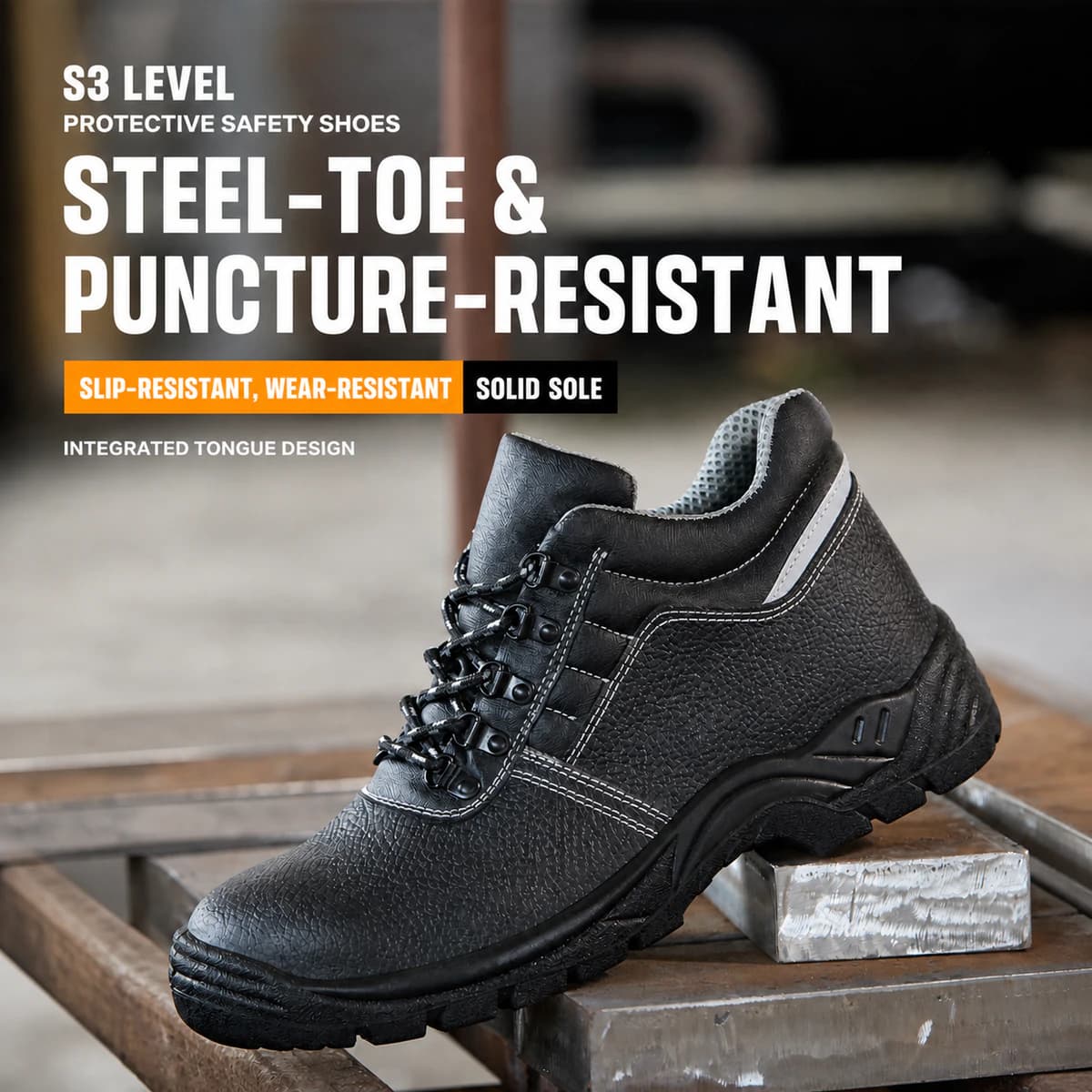
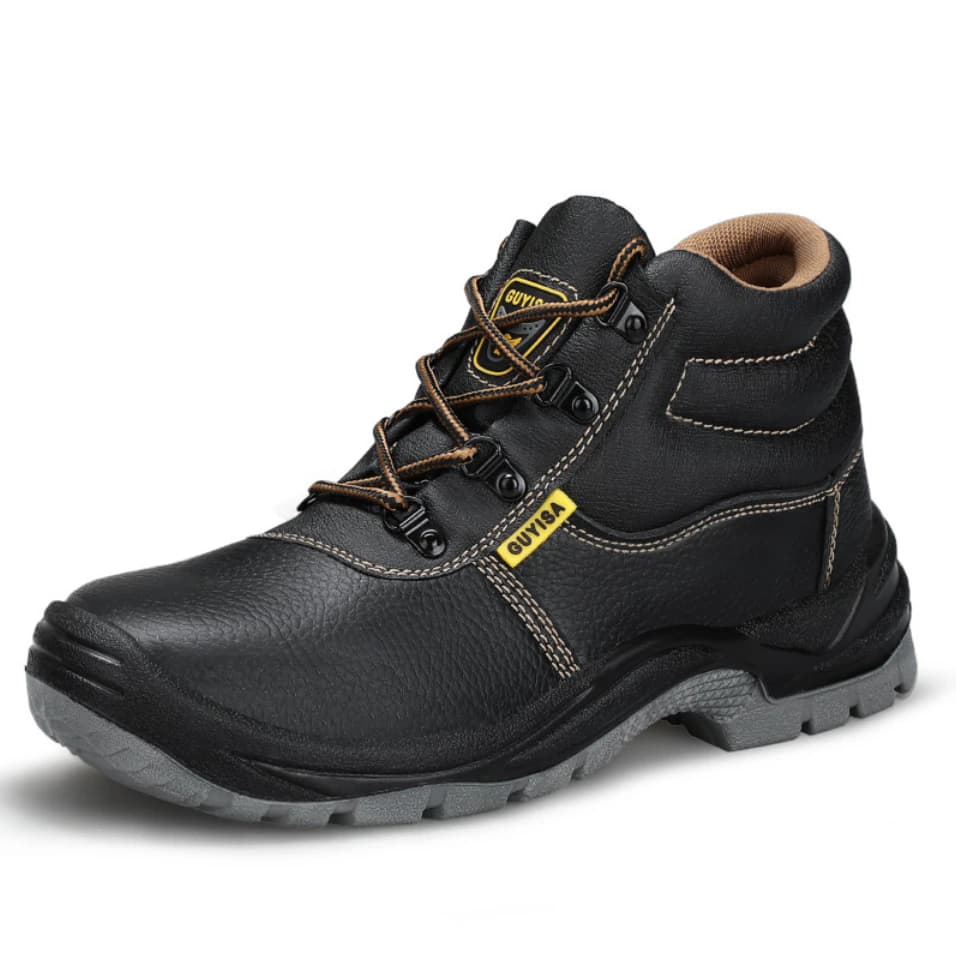
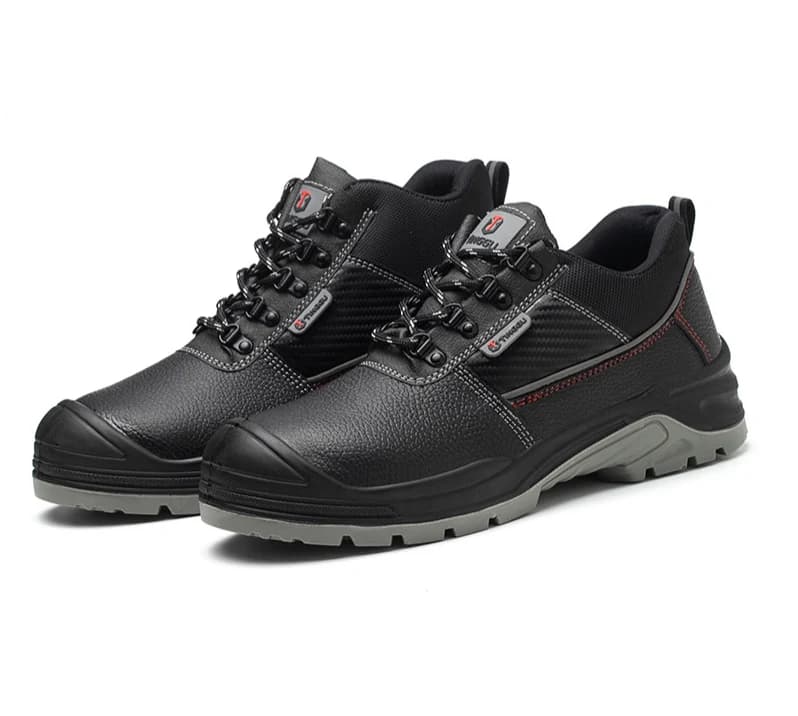
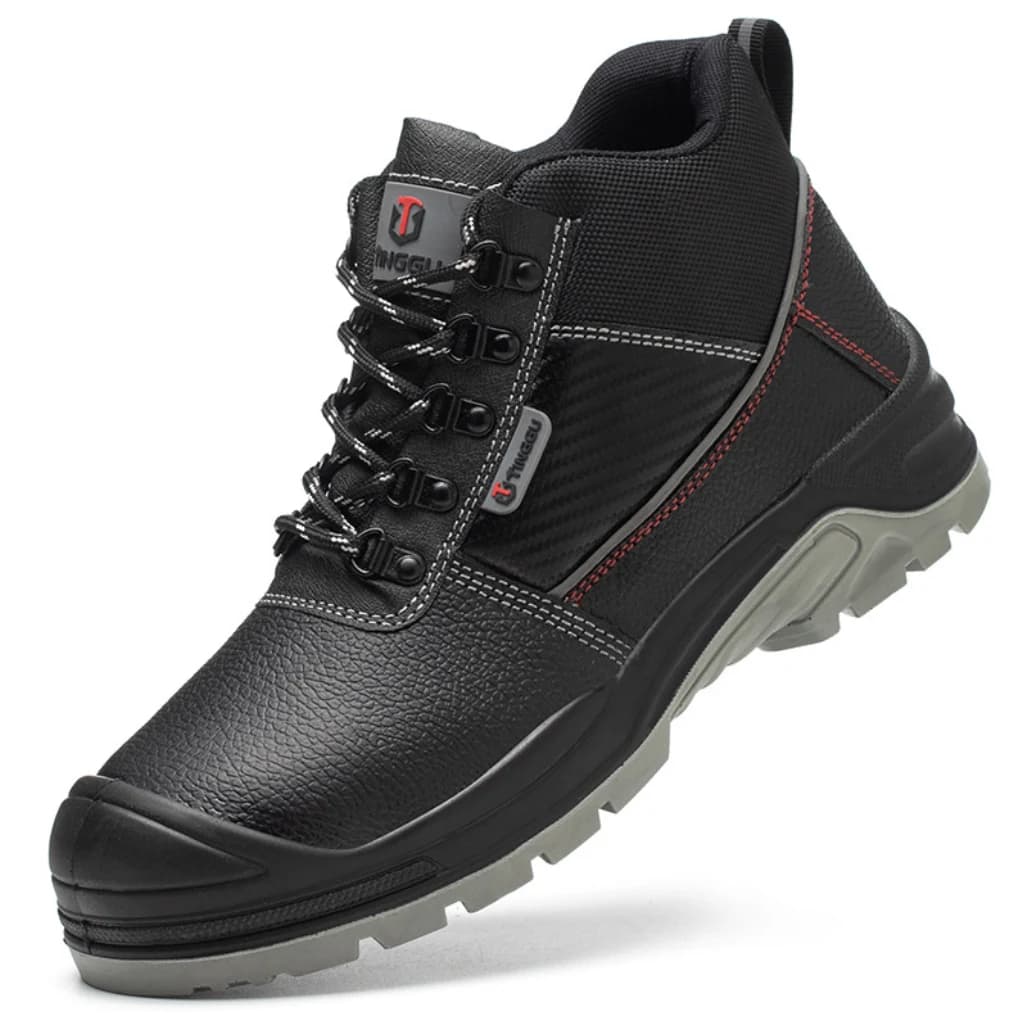
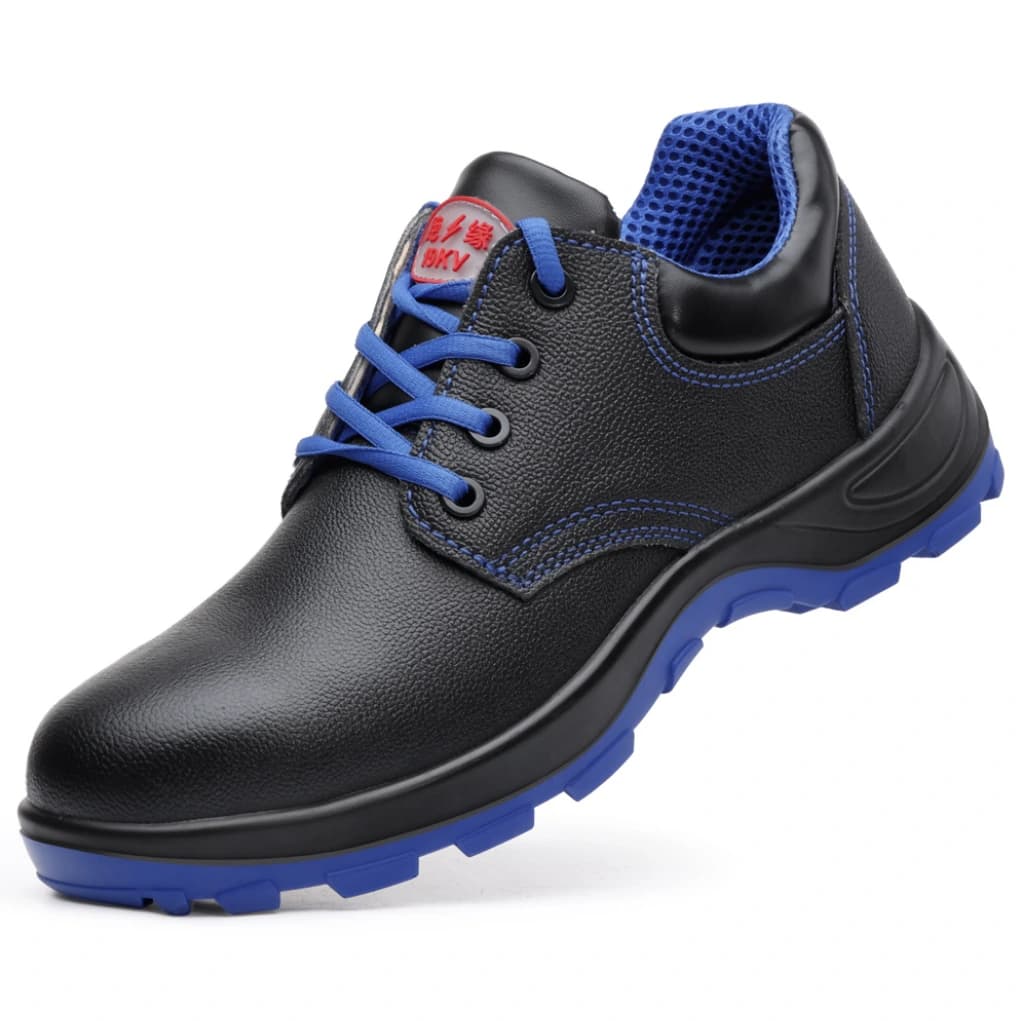
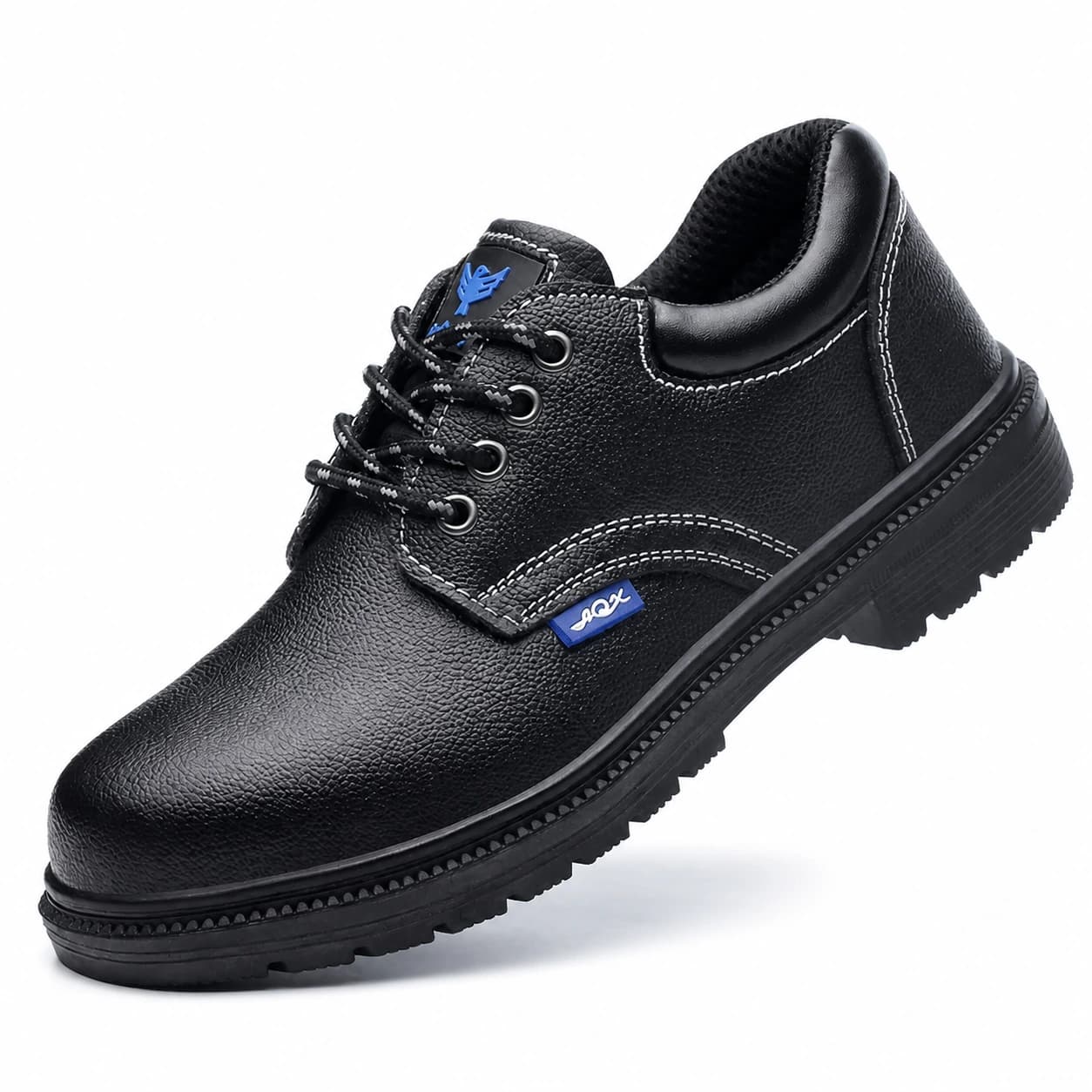
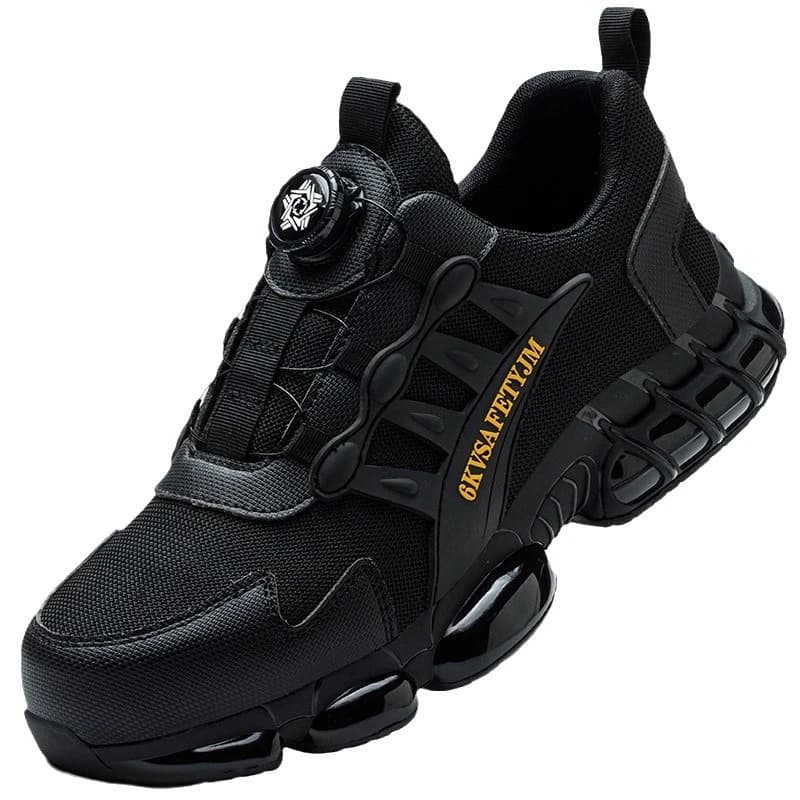
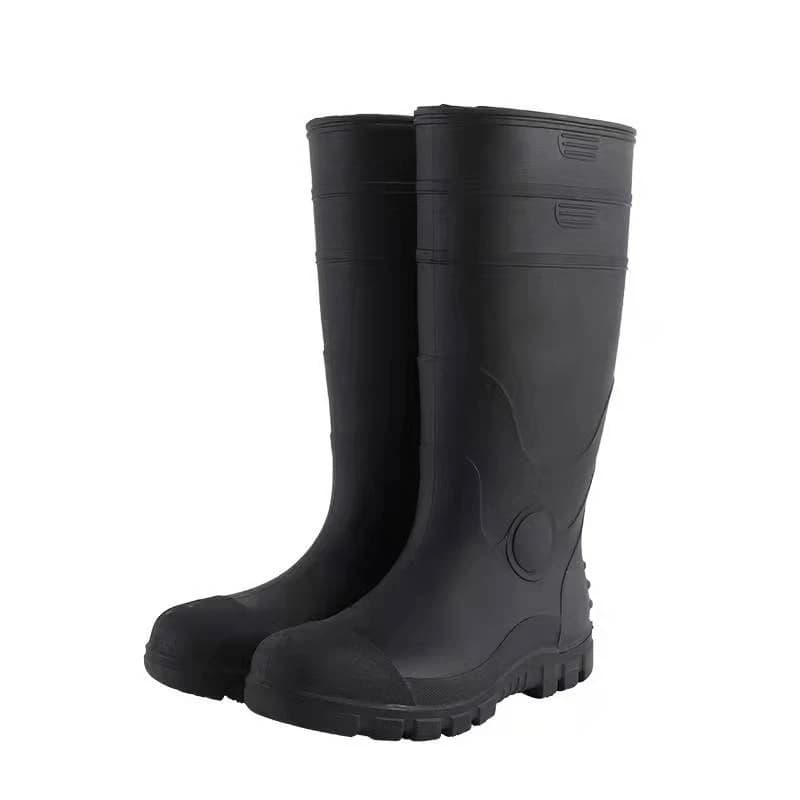


Toe, sole, and slip protection
Safety footwear buyers search by environment and boot type
Foot protection usually breaks down into three practical choices: lighter safety shoes, heavier safety boots, and waterproof rain boots for wet or muddy environments.
Most footwear comparisons come back to toe protection, sole grip, waterproofing, ankle support, and whether the pair will still feel right at the end of a long shift.
How to choose foot protection
- 1
Start with the work environment, including indoor production, mixed warehouse work, wet conditions, outdoor construction, or mining support tasks.
- 2
Compare shoe height, upper material, sole construction, and waterproofing against the actual hazard profile.
- 3
Check whether lighter athletic-style safety shoes or heavier-duty boots are more appropriate for the team.
- 4
Review comfort and replacement cycles because footwear decisions affect compliance just as much as protection levels.
Common foot protection use cases
What buyers usually compare
- Toe and underfoot protection
- Waterproofing and weather resistance
- Ankle coverage and support
- Slip resistance and daily comfort
Foot Protection catalog signals
The products currently listed here share the following themes, which gives buyers a quicker summary of what shows up most often in this range.
Useful next paths
Use these links to move into the most relevant nearby categories, product pages, or the broader parent range when you need a wider comparison.
Subcategories
Explore Safety Shoes under Foot Protection
Use this subcategory to narrow foot protection intent into a more specific buying path.
Explore Safety Boots under Foot Protection
Use this subcategory to narrow foot protection intent into a more specific buying path.
Explore Safety Rain Boots under Foot Protection
Use this subcategory to narrow foot protection intent into a more specific buying path.
Popular products
View S3 SR Slip-Resistant Steel-Toe Puncture-Resistant Antistatic Safety Shoes
Open the product page to review specifications, images, and use details for this item.
View S3 High-Cut Cowhide Steel Toe Puncture-Resistant Safety Shoes
Open the product page to review specifications, images, and use details for this item.
View S1P Low-Cut Leather Steel Toe Anti-Static Puncture-Resistant Safety Shoes
Open the product page to review specifications, images, and use details for this item.
View S1P High-Cut Leather Steel Toe Anti-Static Puncture-Resistant Safety Shoes
Open the product page to review specifications, images, and use details for this item.
Foot protection FAQ
What is the difference between safety shoes and safety boots?
Safety shoes are often chosen for lighter, faster-moving work, while safety boots usually add more coverage and support for tougher environments.
When are safety rain boots the better option?
Safety rain boots are commonly considered when waterproofing, easy cleaning, and wet-site durability are more important than lightweight everyday wear.
Why should footwear category pages include guidance content?
Because buyers usually compare multiple protection and comfort factors before they click into a product detail page.