


Standards
CE, EN, ANSI/ISEA and buyer-specific standard checks can be mapped before quoting.

Compare welding helmets, grinding face shields, heat-resistant gloves, respiratory and hearing protection, and RFQ details for metal fabrication workshops.
Metal fabrication and welding shops combine arc radiation, hot metal, sparks, grinding fragments, sharp stock, fumes, and noise. Buyers should specify PPE by process and hazard instead of asking for one generic heat-resistant welding mask. A reviewed workshop kit may include:
This guide helps safety managers, workshop supervisors, procurement teams, contractors, and distributors turn welding, grinding, cutting, fitting, and material-handling tasks into a quote-ready PPE brief. PPE supports guarding, ventilation, hot-work controls, housekeeping, training, and exposure programs; it does not make an uncontrolled operation safe.
Use the construction eye and face protection guide for detailed safety-glasses, goggles, face-shield, and welding-eye-protection decisions. Cross-check the respiratory protection guide, hearing protection guide, work-glove guide, and safety-footwear guide when the workshop kit must work as one compatible system.
A heat-resistant welding mask is not a complete buying specification. For arc welding, the buyer normally needs a welding helmet or hand shield with a filter lens selected for the operation. For grinding and deburring, the decision normally shifts to impact-rated primary eye protection with a face shield added when broader face coverage is needed. Gas welding, oxygen cutting, brazing, and soldering can require different filter-lens choices, so one helmet setting or lens should not be assumed to fit every task.
The eye and face device is only one part of the system. Confirm primary eye protection, side coverage, lens or visor marking, compatibility with respirators and hearing protection, replacement lenses, and the workshop's inspection process. Welding fumes, noise, heat, sharp stock, and falling material require separate controls and PPE decisions.
| Process or task | Primary eye and face decision | Additional PPE questions | Buyer documentation | Do not assume |
|---|---|---|---|---|
| Arc welding | Welding helmet or hand shield with a filter lens selected for the process and operating range; confirm primary eye protection beneath the shield where required | FR clothing, welding gloves, neck and ear coverage, footwear, ventilation, and nearby-worker screening | Applicable standard, product marking, filter or shade range, cover-lens details, instructions, and replacement parts | An auto-darkening setting or one helmet model is suitable for every welding process |
| Grinding and deburring | Impact-rated safety glasses or goggles; add a face shield as secondary face coverage when the hazard assessment requires it | Hearing protection, cut-resistant handling gloves, spark direction, and compatibility with head protection | Impact marking, visor material, compatible carrier or adapter, replacement visor, and use limitations | A welding helmet or a face shield by itself replaces primary eye protection |
| Gas welding, oxygen cutting, brazing, or soldering | Suitable goggles, spectacles, helmet, or shield with filter lenses selected for the operation | Heat, sparks, hot metal, glove dexterity, clothing coverage, and ventilation | Lens shade or range, marking, process limitation, instructions, and replaceable lens availability | The arc-welding setup can be reused without checking the gas process |
| Fit-up, steel handling, and inspection | Safety glasses with side protection; add task-specific goggles or a face shield for dust, fragments, splash, or cleaning work | Cut, grip, impact, foot, and visibility needs during handling and transfer | Product marking, fit range, cleaning method, replacement stock, and compatibility notes | Heavy welding gloves provide the dexterity and cut data needed for every handling task |
| Fume-producing work, coated metal, or restricted ventilation | Keep the process-appropriate welding or cutting eye protection, then assess ventilation and respiratory protection separately | Base metal, coatings, consumables, local exhaust ventilation, work location, duration, and measured or assessed exposure | Material information, control plan, respirator approval and configuration where required, fit-test support, filters or cartridges, and change-out logic | A welding helmet controls fumes or that one respirator works for all metals and coatings |
| Hazard | Potential Injury | Required PPE |
|---|---|---|
| Arc radiation and sparks | Eye injury and burns | Welding helmet and FR clothing |
| Hot metal and slag | Contact burns | Heat-resistant gloves and sleeves |
| Grinding debris | Eye and face trauma | Goggles and face shield |
| Metal fumes | Respiratory irritation | Appropriate respirator |
| Sharp steel edges | Hand lacerations | Cut-resistant gloves |
| Grinding and cutting noise | Hearing loss | Earplugs or earmuffs |
Prioritize arc and thermal protection for repetitive welding cycles.
Control fragment, spark, and noise exposure.
Protect hands and lower limbs while handling stock and cut parts.
Improve visibility and impact protection in crane zones.

1. Process and operating range
List MIG, TIG, stick, plasma, oxy-fuel, brazing, soldering, grinding, gouging, fit-up, inspection, and maintenance separately. Include the relevant operating range instead of asking for one welding mask for the whole shop.
2. Materials, coatings, and consumables
Name the base metals, stainless or specialty alloys, primers, paint, plating, cleaners, electrodes, wire, fluxes, and any available safety data. These details affect fume controls, glove choice, clothing, and cleaning requirements.
3. Eye and face configuration
State whether the quote needs a welding helmet, hand shield, filter lens, cover lens, primary safety glasses, goggles, grinding face shield, helmet carrier, prescription accommodation, or nearby-worker screening.
4. Compatibility and fit
Require the exact helmet, eyewear, respirator, earmuff, head-protection, and clothing combination to be trialed together. Ask for size ranges, adjustment points, approved adapters, and any limitations in the manufacturer's instructions.
5. Standards and product evidence
List the destination market and project specification, then request product markings, declarations or certificates where applicable, test-report samples, instructions, and model-specific evidence. Do not accept a catalog phrase such as certified welding mask without traceable product documents.
6. Consumables and replacement stock
Quote cover lenses, filter plates or cartridges, visors, sweatbands, batteries where applicable, helmet parts, gloves, earmuff cushions, cleaning materials, and reorder lead times separately from the durable equipment.
7. Samples, packing, and approval
Request trial quantities, worker feedback, inspection criteria, permitted substitutions, individual or role-based packing, labeling, MOQ, price breaks, production lead time, and repeat-order controls before approving a bulk workshop kit. Put the reviewed requirements into the Construction PPE RFQ Template.
Many fabrication shops need separate approved configurations for welding, grinding, fitting, material transfer, chemical cleaning, and maintenance. Product cards below are sourcing options, not a universal minimum kit.
Build the shortlist from the task matrix and RFQ checklist, then verify the exact model, markings, supporting documents, fit, compatibility, sample performance, replacement parts, and destination-market requirements before bulk approval.
Browse the wider eye protection, hand protection, respiratory protection, hearing protection, and foot protection ranges when the workshop needs alternatives beyond the automatically recommended products.
Process-appropriate welding helmet or hand shield with documented filter-lens configuration
Primary safety glasses or goggles, with a compatible grinding face shield where required
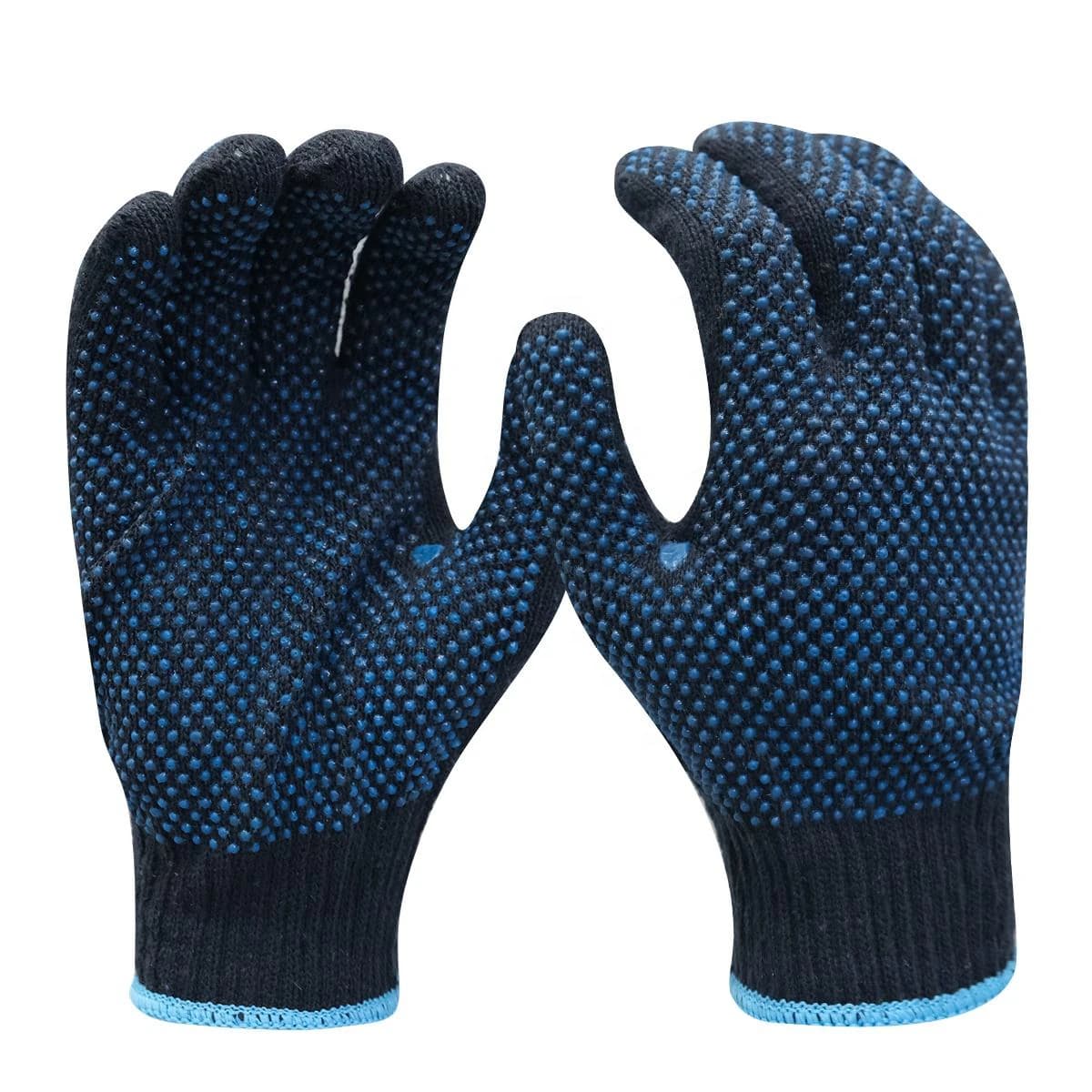
Task-specific welding gloves plus separate cut- and grip-protection for sharp-stock handling
Hot-work clothing selected for spark, spatter, heat, coverage, and care requirements
Respiratory and hearing protection only after the relevant exposure and control decisions
Safety footwear selected for impact, metatarsal, puncture, slip, heat, and fit needs
Welding helmet or hand shield with required marking, filter-lens range, cover lenses, instructions, and spare parts
Impact-rated safety glasses or goggles plus a compatible grinding face shield and replacement visors
Welding gloves and hot-work clothing specified separately by process, heat, spatter, dexterity, and coverage
Respiratory-protection review covering materials, coatings, ventilation, exposure, complete configuration, fit testing, and replacement
Hearing and footwear options with model documents, fit range, sample quantities, replacement stock, MOQ, and reorder lead time
General welding, cutting, and brazing requirements, including eye protection and welding screens. Verify the rule that applies to the employer, task, and work location.
Eye and face protection for flying particles, molten metal, chemicals, vapors, and injurious light radiation, including operation-appropriate filter-lens shades.
ANSI Z49.1
A buyer may reference ANSI Z49.1 for welding and cutting safety practices. Confirm the project requirement and current edition instead of treating the standard name as a product certificate.
ANSI/ISEA Z87.1
For US eye and face devices, confirm the applicable ANSI/ISEA Z87.1 basis, product marking, configuration, and model-specific documentation required by the project.
Destination-Market Standards
For CE/EN projects, define the required conformity route and verify the applicable standards and editions for welding eye and face protection, protective clothing, and welding gloves from model-specific documents.
It is an imprecise buying phrase. Depending on the task, the required device may be a welding helmet or hand shield with a suitable filter lens, or an impact-rated grinding face shield used with primary eye protection. The RFQ should name the process, operating range, device type, markings, lens or visor, and replacement parts.
Yes. Welding selection is driven by injurious light radiation, heat, and sparks, while grinding selection is driven mainly by flying fragments, impact, sparks, and visibility. Some products have multiple modes, but the buyer must verify the exact configuration and marking for each task.
A face shield is normally secondary face coverage, not a replacement for the primary safety glasses or goggles required for the eye hazard. Confirm side protection, impact marking, visor material, carrier compatibility, and the manufacturer's use limitations.
Select the filter lens from the welding or cutting operation and operating range under the applicable rule and the product instructions. Do not publish or purchase one universal shade for every process, and do not go below the applicable minimum protective shade.
No universal glove covers welding heat, sharp-stock handling, grinding, chemicals, and maintenance equally well. Separate the welding thermal and dexterity specification from cut, grip, impact, chemical, and entanglement decisions for other tasks.
Not automatically. The decision depends on the welding process, base metal, coatings, consumables, work location, ventilation, duration, and measured or assessed exposure. Use feasible controls first, then select any required respirator as a complete approved configuration under the workplace respiratory-protection program.
Ask for model-specific markings, declarations or certificates where applicable, test-report samples, instructions, filter or shade information, compatible accessories, replacement parts, size and fit options, sample lead time, MOQ, packaging, permitted substitutions, and repeat-order availability.
Send the processes, materials, workshop conditions, required standards, worker counts, size ranges, sample needs, and delivery country. We can organize available welding and fabrication PPE options with model-specific document requests for buyer review before quotation.
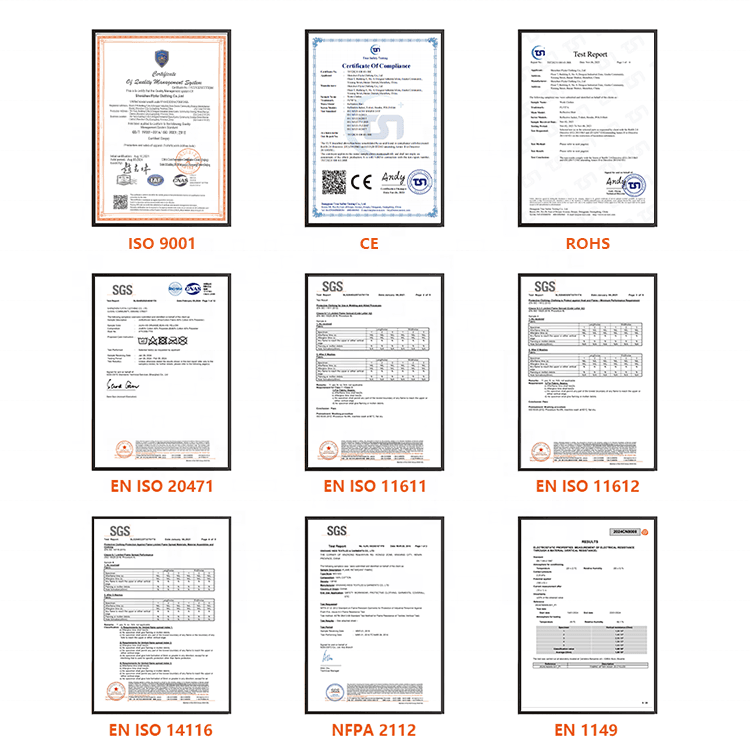
Review the required standards, certificate samples, document needs, and factory capability before confirming quantities, packaging, and delivery details.
CE, EN, ANSI/ISEA and buyer-specific standard checks can be mapped before quoting.
Certificate samples and product compliance files are available for qualified bulk buyers.
Use sample sheets, RFQ templates, and size standards before finalizing order quantities.
Direct factory supply with OEM/ODM support, inspection workflow, and repeat order handling.
Download the checklist, RFQ template, and size sheet, then send quantities and standards through the quote form.
Related Tools
These tools help buyers convert the solution into sizing checks, compliance review, quantity planning, and a faster quote request.
Decode Type I vs Type II and Class G, Class E, and Class C before writing head protection into an RFQ.
Decode hard hatsTurn site conditions, hazards, and worker roles into a shortlist of PPE SKUs and a fast quote request.
Build a quoteEstimate monthly usage, replacement cycles, and budget needs before you place a bulk PPE order.
Plan quantities