Buyer next step
Turn this guide into a sourced PPE shortlist with standards, quantities, and role-based kit notes.
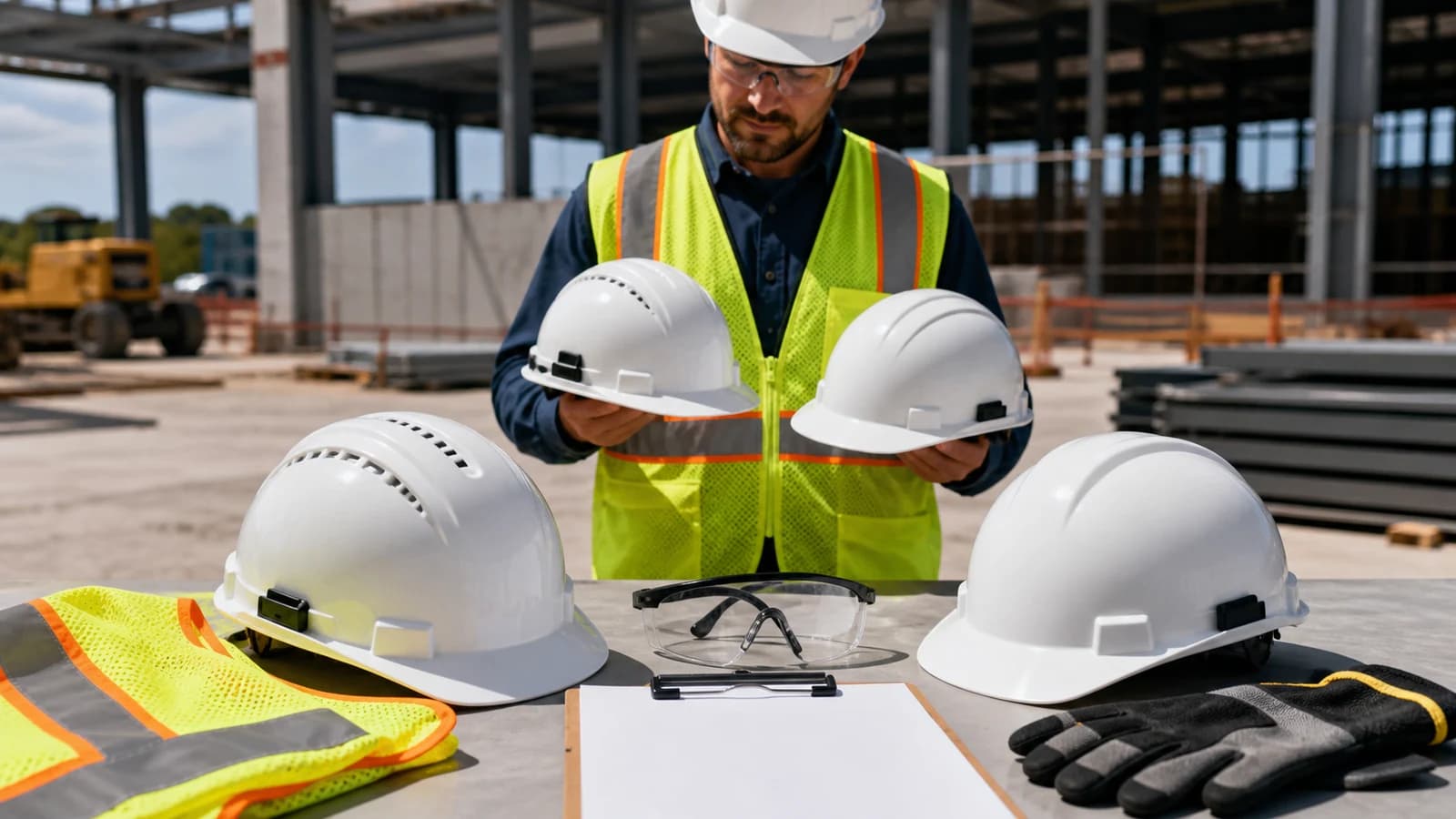
Vented vs non-vented hard hats is not only a comfort decision. For construction buyers, the vent choice can affect electrical class, heat stress planning, accessory compatibility, inventory control, and whether the site can keep the right head protection in the right work zone.
The short answer is simple: use vented hard hats where ventilation is helpful and electrical exposure is controlled out. Use non-vented hard hats where electrical protection, debris coverage, rain coverage, or a conservative site baseline matters more than airflow. Then confirm the exact ANSI/ISEA Z89.1 Type and Class marking before buying in bulk.
This guide is for contractors, safety managers, distributors, and procurement teams comparing vented hard hats, non-vented hard hats, and helmet-style construction head protection. For the broader head protection category, read construction hard hat types. For brim shape, use full brim vs cap style hard hats. For electrical classes, use Class E vs Class G vs Class C hard hats. For impact direction, use Type 1 vs Type 2 hard hats. For role colors and color-coded inventory controls, use hard hat color codes on construction sites. If you are comparing traditional shells with modern safety helmets, use the safety helmet vs hard hat guide. For a fast field decision, use the Hard Hat Class Decoder.
Quick Answer: Vented vs Non-Vented Hard Hats
Choose the shell by hazard first, then comfort. Vents can improve airflow in hot work, but electrical exposure can remove vented models from consideration. A buyer should not approve a vented hard hat until the work zone, electrical class, and product marking are clear.
| Buyer question | Short answer | Procurement note |
|---|---|---|
| Are vented hard hats allowed on construction sites? | Yes, where the product matches impact needs and electrical exposure is not present. | Confirm the marked Type and Class, not just the product name. |
| Are vented hard hats usually Class C? | Many vented models are Class C because vents can conflict with electrical insulation. | Do not issue Class C in electrical work zones. |
| When should I use non-vented hard hats? | Use non-vented shells where Class E or Class G electrical protection, debris coverage, or a conservative site baseline is needed. | Ask suppliers for electrical class documentation. |
| Which is better for hot weather? | Vented models are cooler, but heat stress also needs work-rest planning, hydration, shade, and fit trials. | Do not solve heat by removing required electrical protection. |
| What should the RFQ say? | State Type I or Type II, Class E/G/C, vented or non-vented shell, accessories, suspension, size range, and documentation. | Avoid vague requests such as "best construction hard hat." |
For a mixed contractor order, do not buy one shell for everyone just because it is cooler or cheaper. Split the head protection order by crew: electrical, general site, scaffold, steel, roadwork, visitors, and hot-weather non-electrical crews may need different shell choices.
What Vented Hard Hats Are Good For
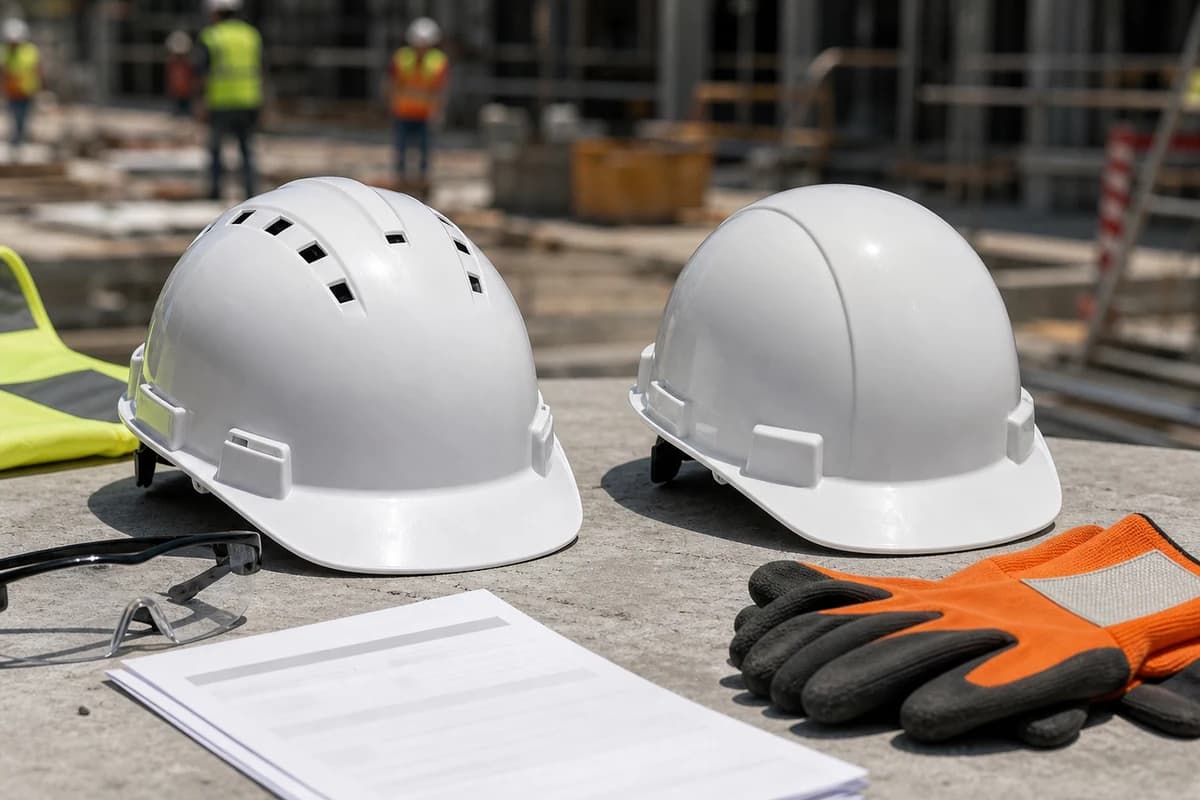
Vented hard hats are designed to improve airflow around the head. On hot construction sites, that can improve comfort and reduce the temptation to loosen, tilt, or remove the hard hat during work.
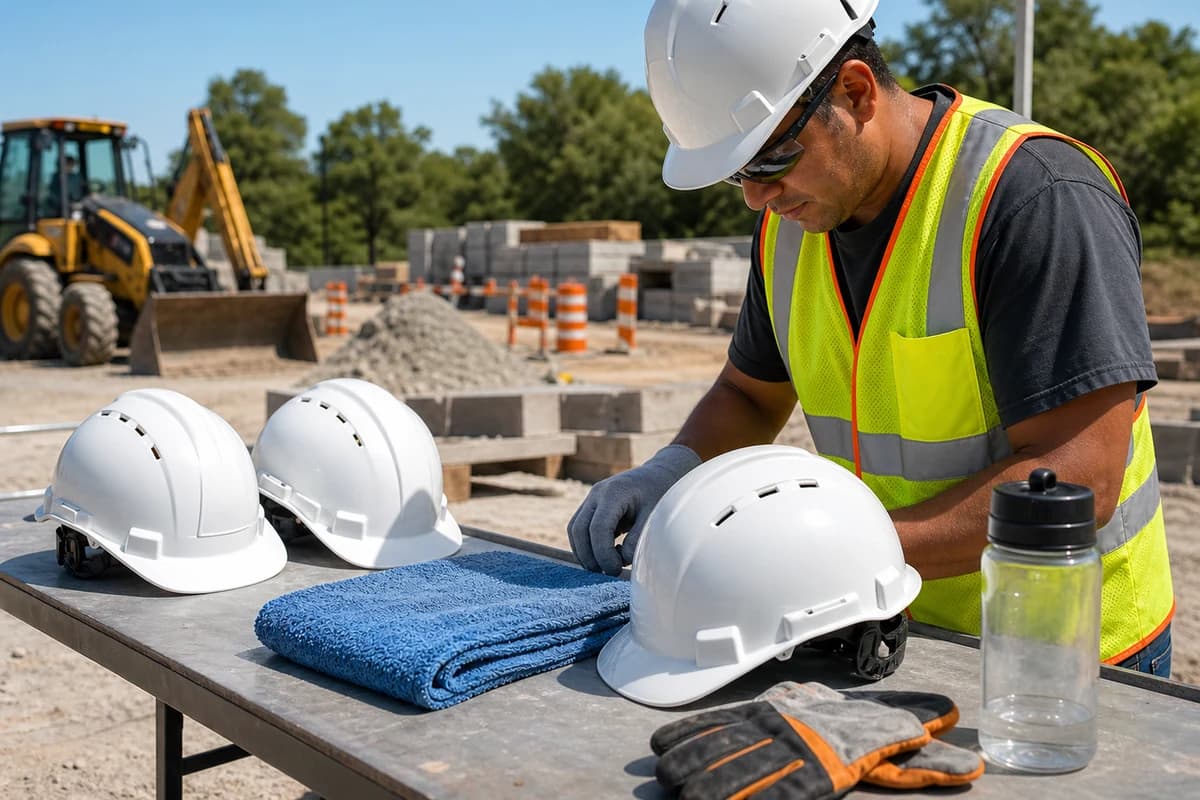
Vented hard hats may fit:
- hot outdoor construction where electrical exposure is not present
- roadwork, landscaping, material handling, and non-electrical support roles
- general site tasks where the hazard assessment allows Class C head protection
- workers who need a lighter, cooler shell for long wear time
- some helmet-style products used for climbing, retention, or Type II side-impact protection where electrical class does not need to be E or G
The buying advantage is worker acceptance. A hard hat that is too hot, too heavy, or poorly fitted often becomes a compliance problem. Workers may remove it during breaks, wear it backward without approval, loosen the suspension, or push it up with a sweatband or cap. A cooler shell can help when the hazard assessment allows it.
The limit is electrical protection. Vented hard hats are not automatically unsafe, but they are not automatically suitable for every construction site. If workers may contact energized conductors, work near overhead lines, handle temporary power, enter electrical rooms, or work around energized panels, the buyer must verify the electrical class before approving a vented model.
Use the heat stress PPE guide for broader hot-weather planning. Head protection comfort matters, but it is only one part of heat control.
When Non-Vented Hard Hats Are The Better Choice
Non-vented hard hats have a solid shell without ventilation openings. They are often selected where electrical protection, weather coverage, dust and debris coverage, or a consistent site baseline matters more than airflow.
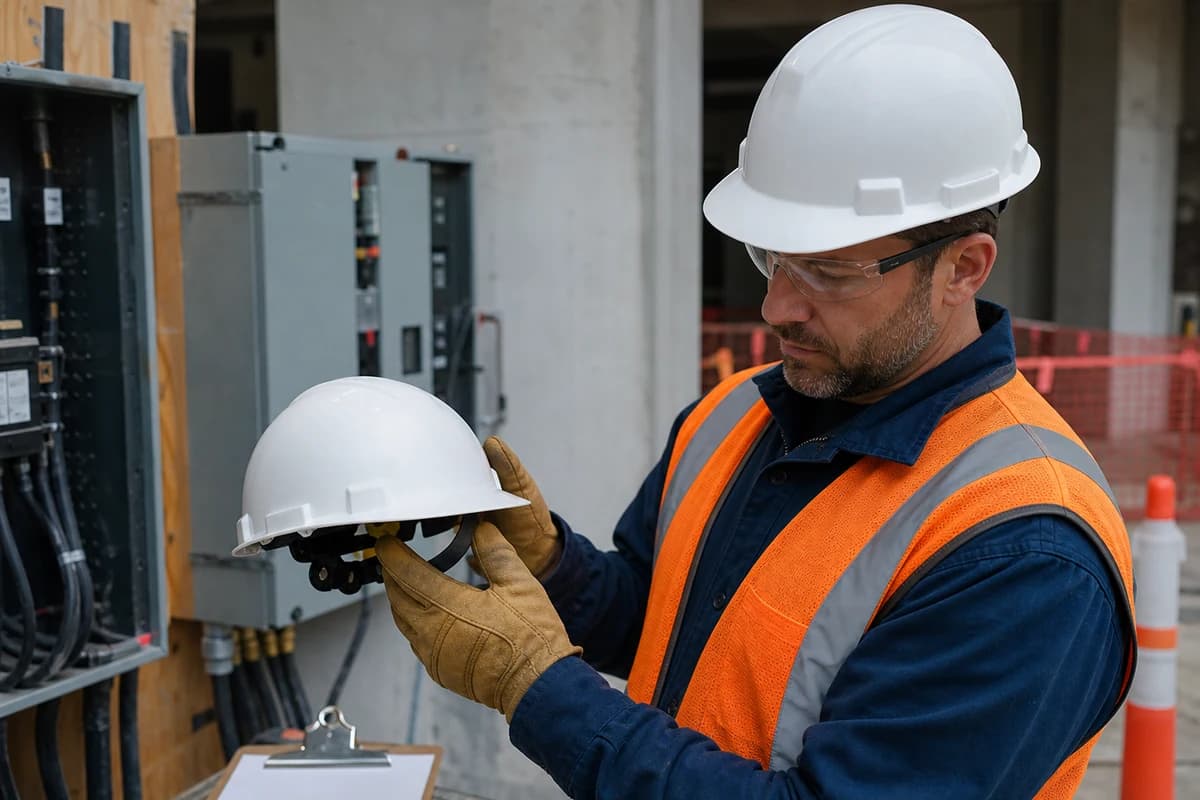
Non-vented hard hats may be the better choice for:
- electrical construction crews
- utility-adjacent work
- work near temporary power, panels, switchgear, conductors, or overhead lines
- mixed jobsites where the buyer cannot reliably separate electrical and non-electrical zones
- demolition, renovation, and dusty work where openings may collect debris
- wet or rainy outdoor work where water entry through vents would be a problem
- visitor stock where a simple conservative baseline is easier to manage
- contractors that want Class G or Class E options for general issue
Non-vented does not automatically mean Class E, and vented does not automatically mean Class C. The marking and documentation matter. Still, in practical buying, Class E head protection is commonly non-vented, while vented models are often Class C. That is why the buyer should treat non-vented shells as the safer starting point when electrical exposure is uncertain.
The tradeoff is comfort. A non-vented hard hat can trap heat, especially with high-visibility long sleeves, gloves, respirators, hearing protection, and fall protection. That does not mean the buyer should downgrade electrical protection. It means the buyer should test lighter non-vented models, improve fit, plan shade and water, and separate crews more carefully.
Electrical Classes: Class E, Class G, And Class C
The vent decision is tied closely to electrical class. OSHA's construction head protection rule, 29 CFR 1926.100, requires protective helmets where workers face possible head injury from impact, falling or flying objects, or electrical shock and burns. For construction buying, that usually means asking suppliers for ANSI/ISEA Z89.1 Type and Class information.
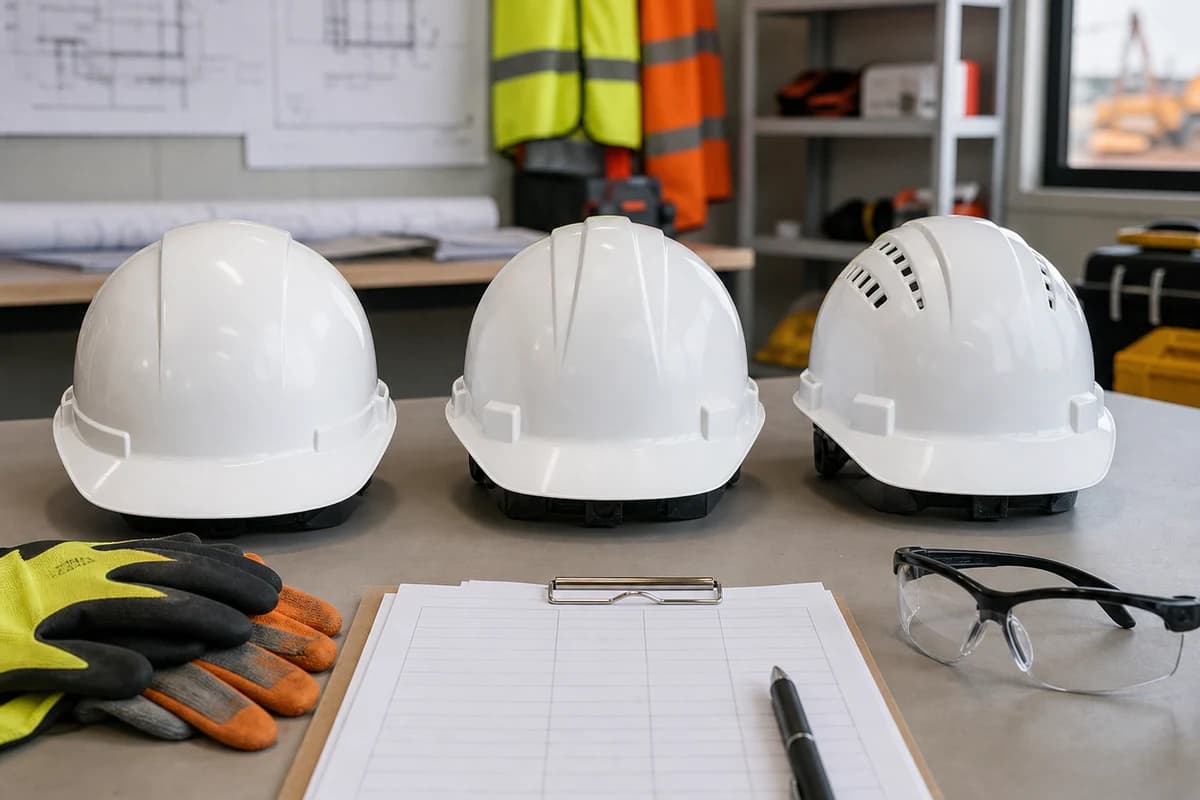
The common classes are:
| Electrical class | Practical meaning | Venting implication |
|---|---|---|
| Class E | Higher electrical protection class for electrical exposure. | Usually specify non-vented unless product documentation proves otherwise. |
| Class G | General electrical class for limited electrical exposure. | Often non-vented, but verify the exact product marking. |
| Class C | Conductive or no electrical protection. | Often vented or comfort-focused; keep out of electrical exposure. |
OSHA's safety helmet bulletin also explains that Class C head protection is not intended for contact with electrical hazards and that ANSI/ISEA Z89.1 head protection includes different Type and Class markings. The International Safety Equipment Association's head protection overview also identifies Class C as no electrical protection.
The buyer should avoid three assumptions:
- "Vented" means the product is automatically acceptable for construction.
- "Non-vented" means the product is automatically Class E.
- "Class C" is acceptable because the work is not officially electrical work.
Construction sites change quickly. A roadwork crew may move near temporary lighting. A general labor crew may work beside temporary power. A renovation crew may expose hidden electrical systems. If electrical exposure cannot be clearly controlled out, do not make Class C vented hard hats the default.
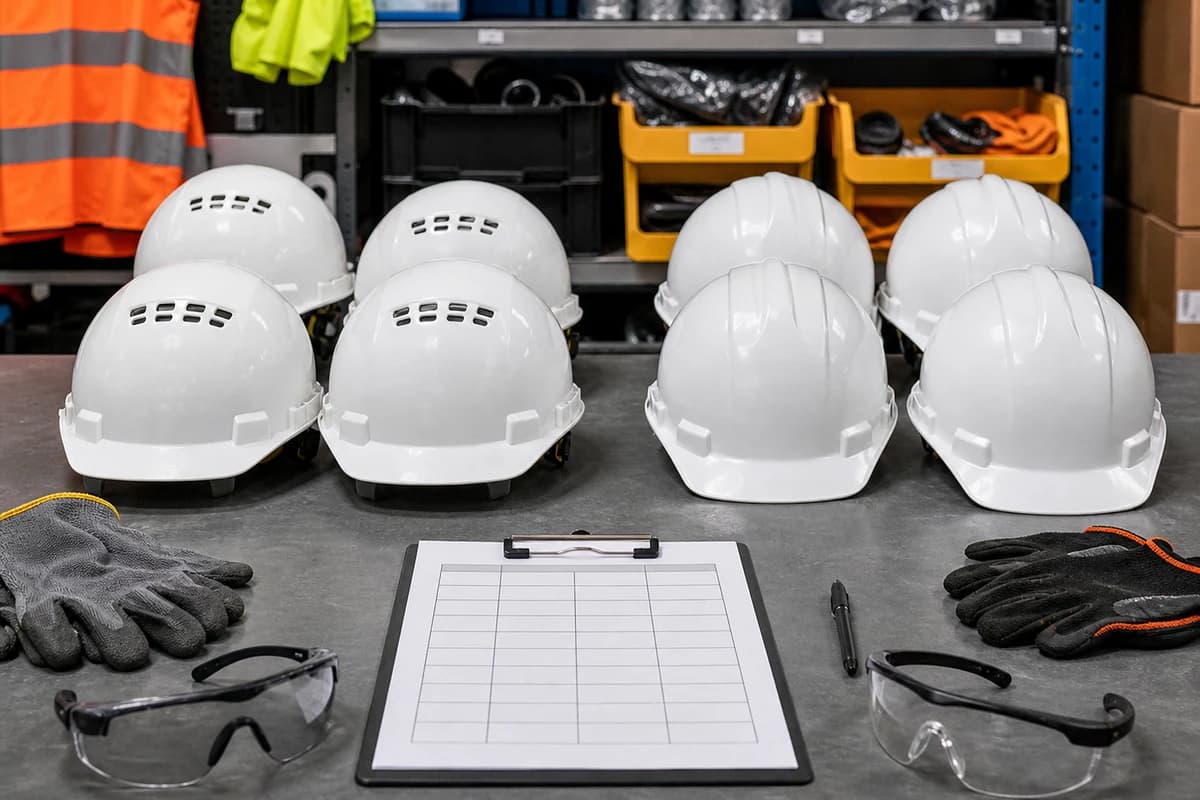
Vented vs Non-Vented Hard Hat Comparison Table
Use this table when choosing a shell style before asking suppliers for samples.
| Buying factor | Vented hard hats | Non-vented hard hats |
|---|---|---|
| Main advantage | Better airflow and comfort in hot weather. | Better starting point for electrical class, weather coverage, and conservative site issue. |
| Common electrical class issue | Often Class C; no electrical protection. | More likely to support Class G or Class E options, but verify marking. |
| Best use case | Non-electrical hot-weather crews where ventilation improves wear compliance. | Electrical, mixed exposure, visitor stock, and work zones where hazards are harder to separate. |
| Main risk | Issued into electrical work zones because it looks like a normal hard hat. | Workers may remove or wear incorrectly if heat and fit are ignored. |
| RFQ wording | "Vented shell, Class C only where electrical exposure is controlled out." | "Non-vented shell, Class E or Class G as required, documentation supplied." |
| Inventory control | Needs separation from electrical-rated stock. | Easier to use as a conservative baseline, but may still need role separation. |
| Comfort controls | Airflow, lighter shell, sweat management, shade, work-rest planning. | Fit trials, lighter models, cooling accessories approved by manufacturer, work-rest planning. |
| Accessories | Check whether vents, shell profile, or helmet style affect earmuffs, lights, shields, or chin straps. | Check slots, brim style, suspension, chin straps, face shields, and hearing protection. |
The table does not replace the product data sheet. Ask for the shell marking, standard, Type, Class, manufacturer instructions, accessory list, and replacement parts before a bulk order.
Construction Scenarios: Which Shell Should Buyers Choose?
Different crews can need different hard hat ventilation decisions inside the same project.

| Construction scenario | Better starting point | Reason |
|---|---|---|
| General site entry | Non-vented Class G or site-approved baseline | Visitor and general stock should be simple and hard to misuse. |
| Electrical installation | Non-vented Class E | Electrical exposure controls the shell decision before comfort. |
| Utility-adjacent civil work | Non-vented Class E or Class G after review | Overhead lines and energized systems make Class C risky. |
| Hot-weather roadwork away from electrical exposure | Vented Class C may fit | Ventilation can improve wear compliance when electrical exposure is controlled out. |
| Scaffold erection | Type II or retention-focused head protection; class by electrical exposure | Side impact and chin strap needs may matter, but Class C still needs electrical separation. |
| Steel erection | Type II review; class by electrical exposure | Lateral impact, retention, and accessory fit may matter more than vents. |
| Demolition and renovation | Usually non-vented Class G or E review | Hidden utilities, dust, debris, and changing conditions make vented Class C harder to control. |
| Concrete cutting and masonry | Non-vented or tightly controlled vented use | Dust, respirators, goggles, face shields, and hearing protection need compatibility checks. |
| Visitors and inspectors | Non-vented Class G baseline | Easier inventory control and fewer assumptions about where visitors will walk. |
For the full head protection selection path, combine this page with construction hard hat types, full brim vs cap style hard hats, Type 1 vs Type 2 hard hats, and Class E vs Class G vs Class C hard hats.
Heat Stress, Comfort, And PPE Compliance
Heat stress is a real construction issue. Buyers should not dismiss worker comfort as a minor preference. A worker who feels overheated is more likely to remove PPE, wear it loosely, skip chin straps, or choose unauthorized cooling items.

However, ventilation is not the only heat control. A responsible hot-weather PPE plan can include:
- shaded rest areas
- scheduled work-rest cycles
- water and electrolyte access
- lighter high-visibility garments where allowed
- breathable gloves where the hand hazard allows them
- cooling towels or neck shades approved for the task
- sample testing of lighter non-vented Class E or Class G models
- separate vented Class C stock for clearly non-electrical zones
The procurement mistake is using Class C ventilation as the only heat plan. That may improve comfort but create a larger hazard if electrical exposure is possible.
A better question is:
Which crews truly need electrical-rated non-vented head protection, and which crews can safely use a vented shell because electrical exposure has been controlled out?
That question lets the buyer solve heat stress without weakening electrical protection.
Accessory Compatibility And Shell Modifications
Vents are not the only detail that can affect performance. Brim shape can also change accessory fit, rain runoff, shade, and worker acceptance. Use the full brim vs cap style hard hats guide when brim shape is the buyer's main question. Hard hats must work as part of the full PPE system.
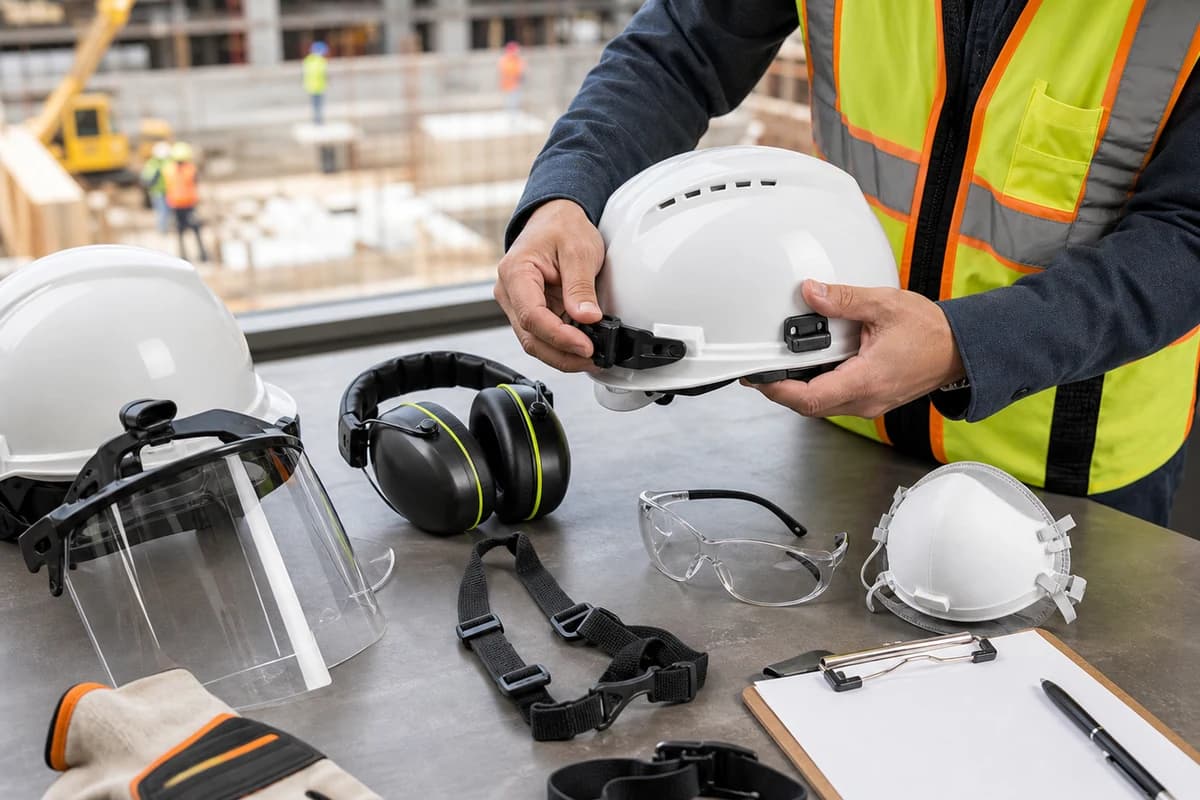
Check compatibility with:
- safety glasses and goggles
- face shields
- hearing protection and helmet-mounted earmuffs
- respirators
- welding adapters
- headlamps and mounted lights
- chin straps
- winter liners and sun shades
- neck shades and cooling accessories
- fall protection, harnesses, and communication headsets
Do not drill, cut, file, heat, paint, or modify a hard hat to add airflow or mount accessories unless the manufacturer allows it. Modifying the shell can weaken impact protection, affect electrical performance, or void the manufacturer's instructions.
Also be careful with stickers, paints, solvents, and cleaning chemicals. They may be allowed by some manufacturers under specific rules, but they should not hide cracks, fading, date codes, Type/Class markings, or damage.
For accessory-heavy work, safety helmets may be worth reviewing. A helmet-style product can offer chin strap retention, side-impact options, and integrated mounts, but the buyer still has to confirm electrical class and venting. Use the safety helmet vs hard hat guide before upgrading a crew.
How To Write Vented Or Non-Vented Hard Hats Into An RFQ
A weak RFQ says:
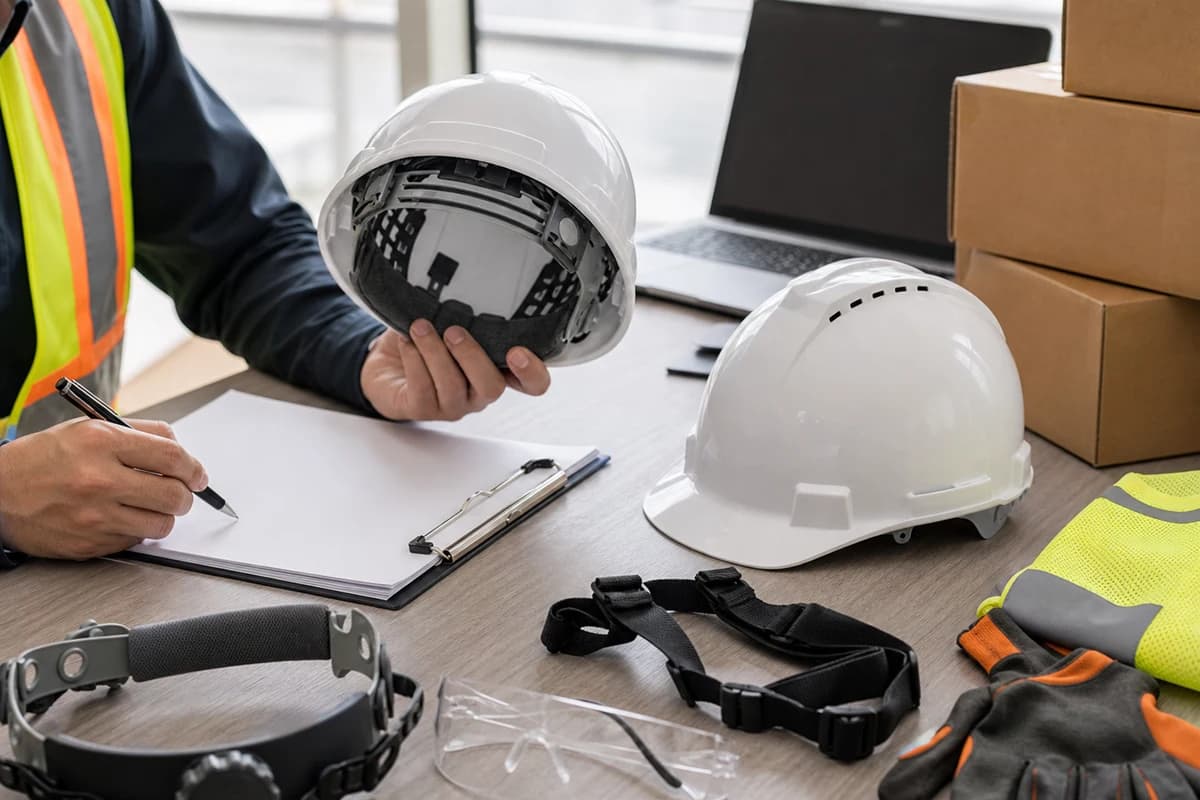
Need hard hats for construction. Vented preferred. Send price.
A stronger RFQ says:
Please quote construction head protection meeting ANSI/ISEA Z89.1. Separate options by Type I and Type II, Class E/G/C, and vented or non-vented shell. Include product marking photos, data sheet, electrical class documentation, suspension type, size range, chin strap options, accessory compatibility, replacement suspensions, MOQ, sample lead time, packaging, and price breaks.
For a contractor order, split the RFQ into lines:
| RFQ line | Example wording |
|---|---|
| General site crew | Type I Class G, non-vented or site-approved shell, replacement suspension available. |
| Electrical crew | Type I or Type II Class E, non-vented, electrical documentation and accessory compatibility required. |
| Hot-weather non-electrical crew | Vented Class C only where electrical exposure is controlled out; color and storage separated from electrical-rated stock. |
| Scaffold or elevated crew | Type II or retention-focused helmet, chin strap option, class selected by electrical exposure. |
| Visitor stock | Durable non-vented Class G baseline with simple sizing and clear issue control. |
Use the Construction PPE RFQ Template to keep these details in one supplier request.
Inspection, Marking, And Inventory Controls
Vented and non-vented hard hats can look similar from a distance. That makes inventory control important, especially when Class C and Class E stock are both present on the same project.
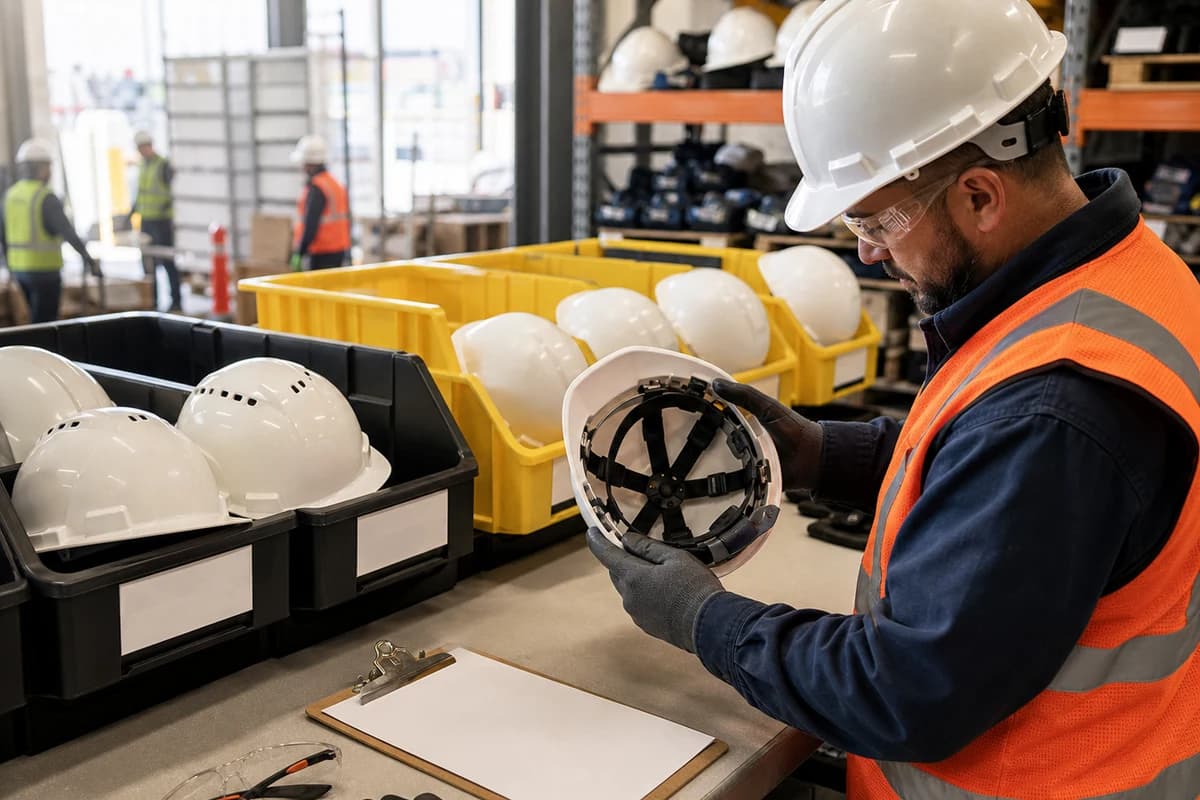
Before issuing hard hats, check:
- ANSI/ISEA Z89.1 marking or other required standard marking
- Type I or Type II marking
- Class E, Class G, or Class C marking
- vented or non-vented shell
- manufacturer name or identification
- size range
- date code or service-life guidance
- shell condition
- suspension condition
- chin strap and accessory approval where required
- whether the shell was drilled, painted, cut, heat damaged, or chemically damaged
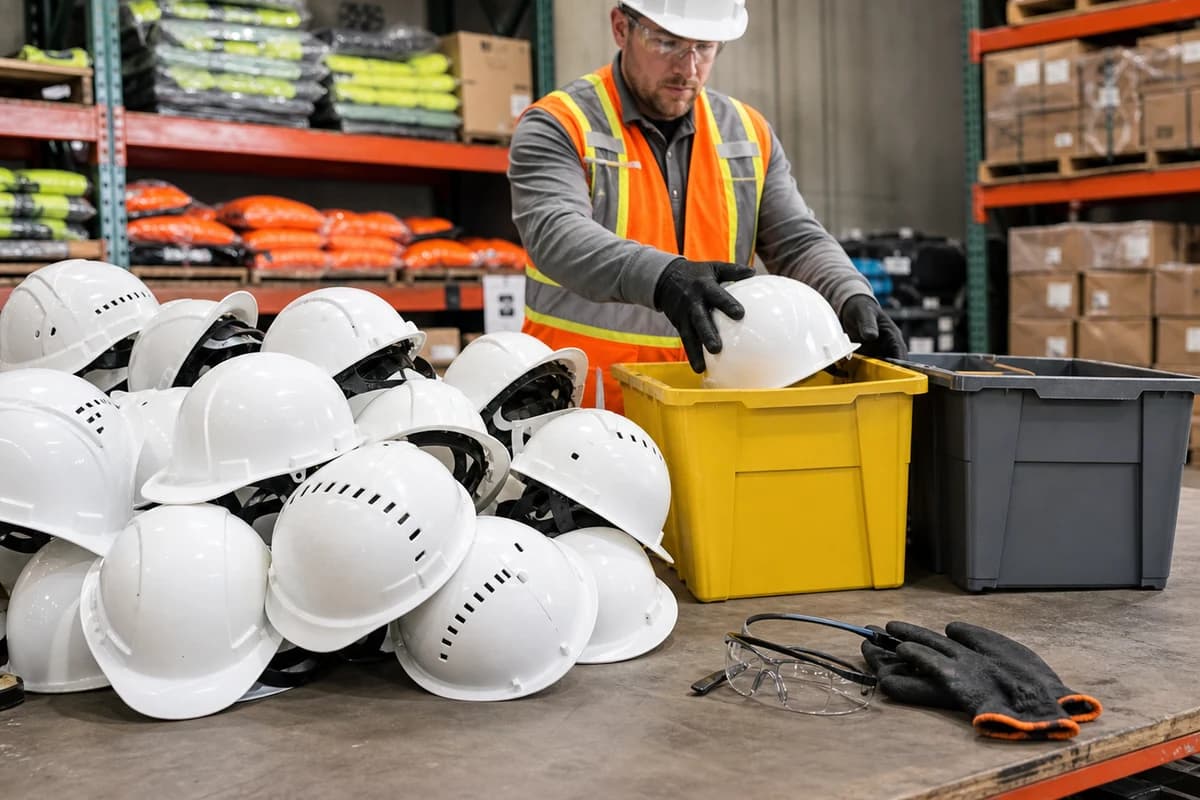
For mixed inventories, separate hard hats by role or work zone. Use different bins, issue points, colors, labels, supervisor approval, or checkout controls. The goal is to prevent a worker from grabbing a vented Class C shell before entering an electrical work area.
Bulk buyers should also buy replacement suspensions with the initial order. Suspensions wear out, get lost, or get swapped between incompatible shells. If replacement parts are not available, the site may keep using damaged head protection longer than it should.
Common Buying Mistakes
The most common vented vs non-vented hard hat mistakes are predictable.
Mistake 1: Treating vented as a universal comfort upgrade. Venting improves airflow, but it can remove electrical protection from the buying decision. Use it only where the hazard assessment allows it.
Mistake 2: Assuming all non-vented hard hats are electrical-rated. Non-vented is a shell style. Electrical class still has to be marked and documented.
Mistake 3: Buying Class C for a mixed construction site. Class C may fit non-electrical zones, but it should not become the default where temporary power, overhead lines, or electrical work may exist.
Mistake 4: Ignoring heat stress with Class E crews. If electrical crews need non-vented Class E head protection, buyers still need to solve comfort with fit, lighter models, work-rest planning, shade, hydration, and approved accessories.
Mistake 5: Letting accessories decide the shell after the order is placed. Face shields, earmuffs, headlamps, goggles, respirators, and chin straps should be checked before purchase, not after the pallet arrives.
Mistake 6: Mixing vented and non-vented stock without control. If the shells look similar, workers can pick the wrong model. Separate storage and issue rules are part of the buying decision.
Buyer Checklist
Use this checklist before approving a hard hat order.

- Identify electrical exposure by crew and work zone.
- Decide whether Class E, Class G, or Class C is allowed for each group.
- Decide Type I or Type II by impact direction and movement risk.
- Decide whether vented or non-vented shell is allowed.
- Confirm markings and supplier documentation.
- Test the shell with safety glasses, goggles, face shields, hearing protection, respirators, chin straps, and lights.
- Run sample fit trials with the actual crew.
- Separate Class C vented stock from electrical-rated stock.
- Buy replacement suspensions and approved accessories with the first order.
- Add heat stress controls where non-vented electrical-rated head protection is required.
For a faster first pass, use the Hard Hat Class Decoder, then turn the result into an RFQ.
FAQ
Are vented hard hats safe for construction?
Yes, vented hard hats can be safe for construction where the product meets the required impact protection and electrical exposure is not present. They should not be issued where Class E or Class G electrical protection is required unless the product documentation specifically supports the required class.
Are vented hard hats Class C?
Many vented hard hats are Class C because ventilation openings can conflict with electrical insulation. Always check the product marking and data sheet. Do not assume class from appearance.
Can electricians wear vented hard hats?
Only if the electrical hazard assessment and product documentation allow it. In many construction electrical scenarios, buyers should start with non-vented Class E head protection and verify accessory compatibility.
Are non-vented hard hats hotter?
Usually yes. Non-vented shells have less airflow, so heat comfort needs planning. Use fit trials, lighter models, approved sweat management, shade, water, and work-rest practices instead of downgrading required electrical protection.
Can I drill holes in a hard hat for ventilation?
No. Do not drill, cut, or modify the shell unless the manufacturer specifically allows it. Unauthorized modifications can weaken impact protection and electrical performance.
Should visitor hard hats be vented or non-vented?
For most mixed construction sites, non-vented Class G visitor stock is easier to control than vented Class C stock. Visitors may move through areas that are not fully predictable, so a conservative baseline is often more practical.
Next Step For Construction Buyers
Do not choose vented or non-vented hard hats by comfort alone. Start with electrical exposure, impact direction, work zone, accessories, and inventory control. Then test samples with the crew.
For the hard hat cluster, use:
- Construction hard hat types
- Class E vs Class G vs Class C hard hats
- Full brim vs cap style hard hats
- Hard hat color codes on construction sites
- Type 1 vs Type 2 hard hats
- Safety helmet vs hard hat for construction
- Hard Hat Class Decoder
- Bulk construction PPE procurement guide
If you are building a full site package, connect this head protection decision with the construction PPE solution, contractor PPE kit checklist, and heat stress PPE guide.
Related PPE
Source the PPE covered in this guide
Move from research to a buyer shortlist with the matching solution page, category paths, selected PPE options, and RFQ next steps.
Related Tools
Turn this guide into a faster PPE shortlist
Use the matching tools to check footwear sizing, decode certification labels, or estimate order quantities before you move from research to purchasing.
Hard Hat Class Decoder
Decode Type I vs Type II and Class G, Class E, and Class C before writing head protection into an RFQ.
Decode hard hatsPPE Quantity Calculator
Estimate monthly usage, replacement cycles, and budget needs before you place a bulk PPE order.
Plan quantitiesAI Quote Generator
Turn site conditions, hazards, and worker roles into a shortlist of PPE SKUs and a fast quote request.
Build a quote