Bulk PPE Orders · Fast Quotation · Stable Supply
Fall Protection PPE for Construction Sites
Basic Information
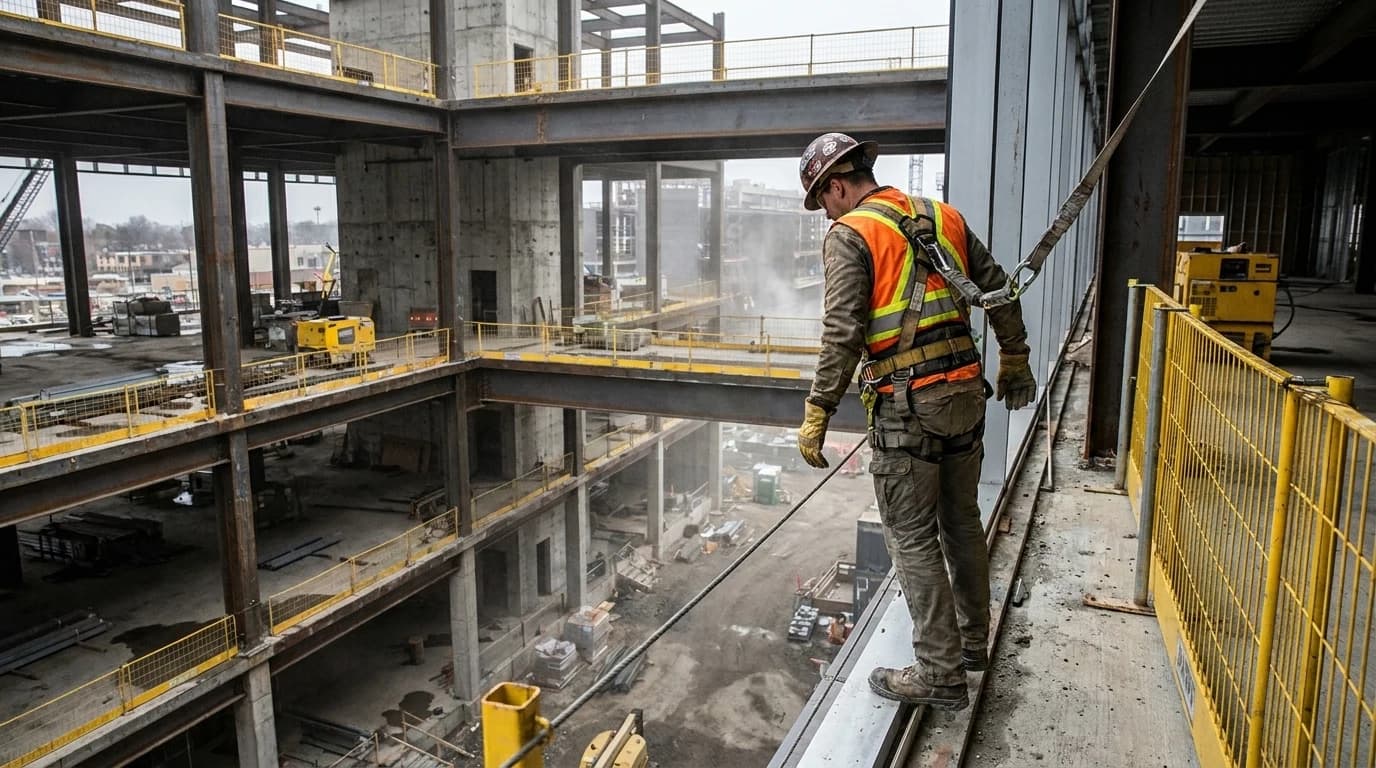
Construction · Height Work +5

Fall Protection PPE for Construction Sites

A solution-focused guide for contractors, safety teams, and procurement buyers selecting fall protection PPE for roofing, scaffolding, steel work, shutdowns, and mixed elevated construction tasks.

Fall Protection PPE for Construction Sites

What should a construction fall protection system include?

Construction fall protection is not a one-item purchase. Most sites need a complete system built around task exposure, worker movement, anchor conditions, fit, inspection workflow, and replacement planning.

  • Full-body harnesses selected by task and wearer fit
  • Shock-absorbing lanyards or SRLs matched to movement and clearance
  • Anchors, connectors, and connection logic reviewed as a system
  • Compatible helmets, gloves, footwear, and weather-ready outerwear
  • Inspection, training, rescue planning, and spare-stock decisions built into procurement

This page is built for contractors, site managers, distributors, and procurement teams who need to choose the right fall protection package for real construction work rather than read a regulation summary in isolation.

Use it alongside the broader Complete PPE solution for construction sites, the regulation-first OSHA PPE requirements for construction guide, and the field-focused construction PPE checklist.

Why fall protection needs its own construction buying path

Fall protection should sit in its own solution path because the buying logic is different from normal workwear or general body protection. Buyers need to compare the whole system: harness, connecting device, anchor strategy, worker movement, clearance, and rescue planning.

That makes this page especially useful for teams standardizing PPE across roofing crews, scaffold access teams, steel work, shutdown projects, and mixed elevated maintenance work.

OSHA trigger points construction teams usually need to remember

SituationTypical OSHA reference pointWhat buyers should actually decide
Unprotected sides and edges on construction walking-working surfaces29 CFR 1926.501 commonly uses 6 feetWhether the site will rely on guardrails, safety nets, personal fall arrest, or a mixed system
Scaffold work29 CFR 1926.451 generally requires protection over 10 feetHow the crew will move, connect, climb, and inspect gear during repetitive scaffold tasks
Construction PPE fit29 CFR 1926.95 fit language became explicit on January 13, 2025Whether the harness range and adjacent PPE actually fit the workforce rather than loosely adjusting across everyone
Training and deployment29 CFR 1926.503 covers fall protection trainingWhether the chosen system is simple enough to train, inspect, and re-issue across projects

Common construction scenarios that drive fall protection selection

Shutdowns, maintenance, and mixed elevated access

Shutdowns, maintenance, and mixed elevated access

Mixed projects often need a simpler, repeatable system that can be issued to multiple roles instead of one highly specialized kit.

  • Broader size coverage and spare-stock planning
  • Simple training and visible inspection controls
  • A mix of lanyards and SRLs where access methods vary
  • Stable repeat ordering across projects
Roofing and exposed edge work

Roofing and exposed edge work

Roofing crews need mobility, clear connection management, and stable traction under changing weather and surface conditions.

  • Harness sizing that supervisors can verify quickly
  • Anchorage strategy suitable for the roof structure
  • Footwear and outerwear that do not compromise movement or dorsal access
  • Fast pre-use inspection routine for repeat daily work
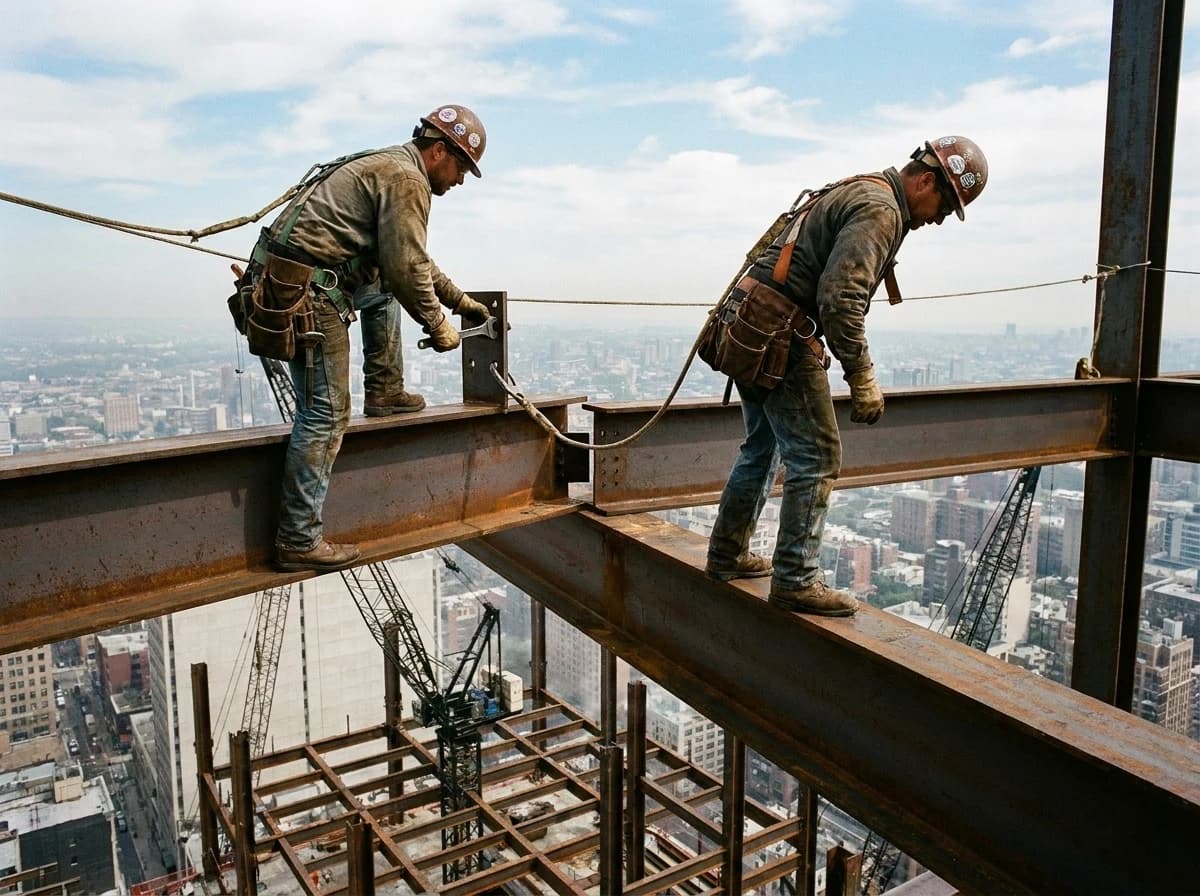
Steel erection and structural work

Steel erection and structural work

Steel crews usually compare mobility, attachment transitions, durability, and compatibility with glove-heavy work.

  • Twin-leg or transition-friendly connection logic where needed
  • Connector size and geometry suited to structural attachment conditions
  • Harness comfort under long wear and rough handling
  • Durability under abrasion, dust, and repeated transport
Scaffolding, access towers, and repeated climbing

Scaffolding, access towers, and repeated climbing

Scaffold work needs a package that manages climbing, repositioning, and connector behavior without creating loose-line problems.

  • Harness and connector compatibility with the scaffold setup
  • Hardware that crews can operate with gloves on
  • Helmet retention during vertical movement
  • Daily issue and inspection flow that works at pace

What belongs in a complete construction fall protection package

Full-body harness

The harness is the core body-worn item in the system, but buyers should compare more than the label.

  • Size range and real fit across the workforce
  • Adjustment points and ease of supervisor fit checks
  • Attachment-point layout suited to the task
  • Comfort during long shifts in heat, dust, or rough movement

Lanyard or SRL

This is usually the most practical decision point because it affects movement, clearance, and user acceptance.

  • Shock-absorbing lanyards for simpler, lower-cost setups where clearance allows
  • SRLs where better movement control and shorter arrest distance make more sense
  • Connector style matched to anchor and harness geometry
  • Task suitability reviewed before the site standardizes one model

Anchors and connectors

The harness is not the system unless the connection strategy is solved as well.

  • Fixed or temporary anchor strategy by structure type
  • Horizontal lifeline needs where movement spans a work zone
  • Hardware compatibility across the full connection chain
  • Installation and inspection practicality on site

Compatible supporting PPE

Fall protection performance is affected by the rest of the worker kit.

  • Helmets or hard hats suited to work at height
  • Gloves that still allow secure connector handling
  • Footwear that supports grip and ladder movement
  • Outerwear that does not obstruct adjustment or attachment points

What procurement teams should compare before ordering in bulk

  • Fit coverage

    Confirm the range covers real worker body sizes instead of relying on one loosely adjustable model for everyone.

  • System compatibility

    Check that harness, lanyard or SRL, anchors, hooks, and adjacent PPE work together as a system.

  • Mobility and worker acceptance

    If the setup is awkward, heavy, or disruptive, workers are more likely to misuse it or work around it.

  • Durability and replacement cycle

    Construction environments punish webbing, labels, and hardware. Compare expected field life, not just unit price.

  • Inspection workflow

    Prioritize systems that make pre-use checks, documented inspection, and removal-from-service decisions easier.

  • Supply consistency

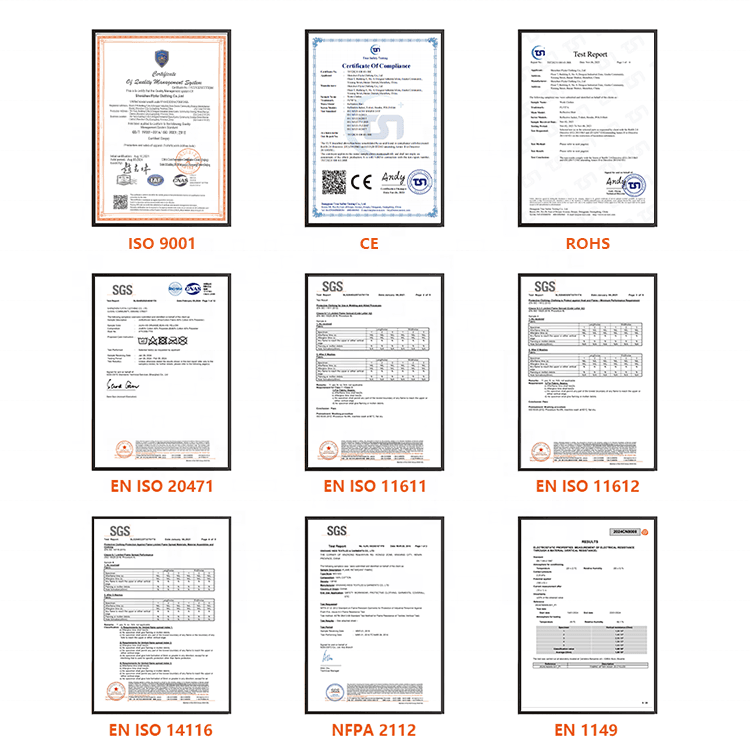
    Ask about size availability, lead times, batch consistency, certification documents, and repeat-order stability.

Common buying mistakes that create site problems later

Buying one harness model for every crew

This often looks efficient at purchase time and inefficient once the gear reaches real crews.

  • Different tasks place different demands on mobility and connection style
  • Improper fit becomes more likely across mixed crews
  • User acceptance drops when the system does not match the task

Treating anchors as an afterthought

The anchor strategy often determines whether the selected lanyard or SRL will actually work on site.

  • Anchor constraints may block the preferred connection method
  • Improvised anchor decisions create field inconsistency
  • Late anchor planning weakens training and inspection

Ignoring the rest of the PPE stack

A technically compliant fall system can still fail operationally when it fights with other PPE.

  • Bulky outerwear can hide key connection points
  • Gloves can make hardware hard to use
  • Wrong footwear can undermine ladder and roof traction

Underbuying replacement stock

Construction sites move too fast to rely on one usable unit per worker with no buffer.

  • Out-of-service gear needs immediate replacement
  • Size gaps push crews toward unsafe improvisation
  • Slow replenishment turns a sourcing problem into a site problem

Fall protection for construction FAQ

Is a harness alone enough for construction fall protection?

Usually no. Most sites need the full system: harness, connecting device, anchor strategy, fit, clearance, inspection process, and rescue planning.

When is an SRL better than a shock-absorbing lanyard?

Often when the task needs better mobility, less loose line, and a more controlled connection method. The right choice still depends on clearance, anchorage, and site conditions.

Why should fall protection sit outside general body protection or workwear?

Because the buying logic is driven by elevated-work risk, connection method, compatibility, and inspection workflow rather than garment selection.

What should buyers ask a fall protection supplier before placing a bulk order?

Ask about certification, size coverage, component compatibility, inspection support, lead times, replacement availability, and how the supplier supports stable repeat ordering across projects.

Build a safer fall protection program before the next project starts

Build a safer fall protection program before the next project starts

Define the work scenario, connection method, size range, replacement stock, and compatibility requirements first. Then source a system crews can actually wear, inspect, and use every day.

Related Tools

Move from PPE guidance to order planning

These tools help buyers convert the solution into sizing checks, compliance review, quantity planning, and a faster quote request.