What PPE Do Workers Need in Mining and Quarrying Operations?
Mining and quarrying operations expose workers to rockfalls, dust inhalation, heavy vibration, loud blasting, and confined-space hazards. This guide covers essential PPE selections, hazard-to-gear mapping, and procurement advice for mine-site safety.
Essential PPE for Mining and Quarrying: Protecting Workers Underground and at Surface
Mining and quarrying operations present some of the most severe workplace hazards, including rockfalls, silica dust, explosive blasting, heavy machinery vibration, and extreme noise levels. To protect workers both underground and at surface operations, the following PPE is commonly mandated:
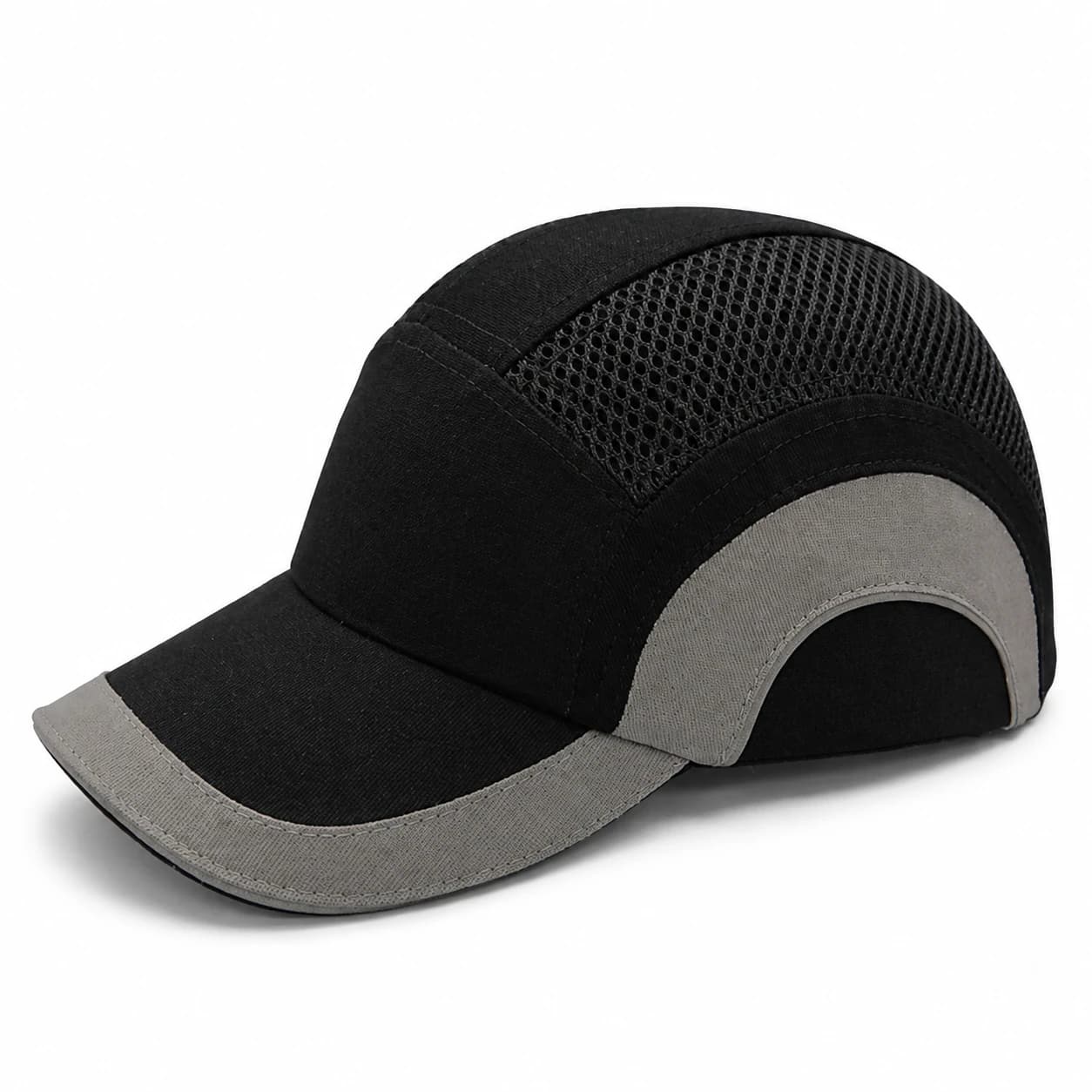
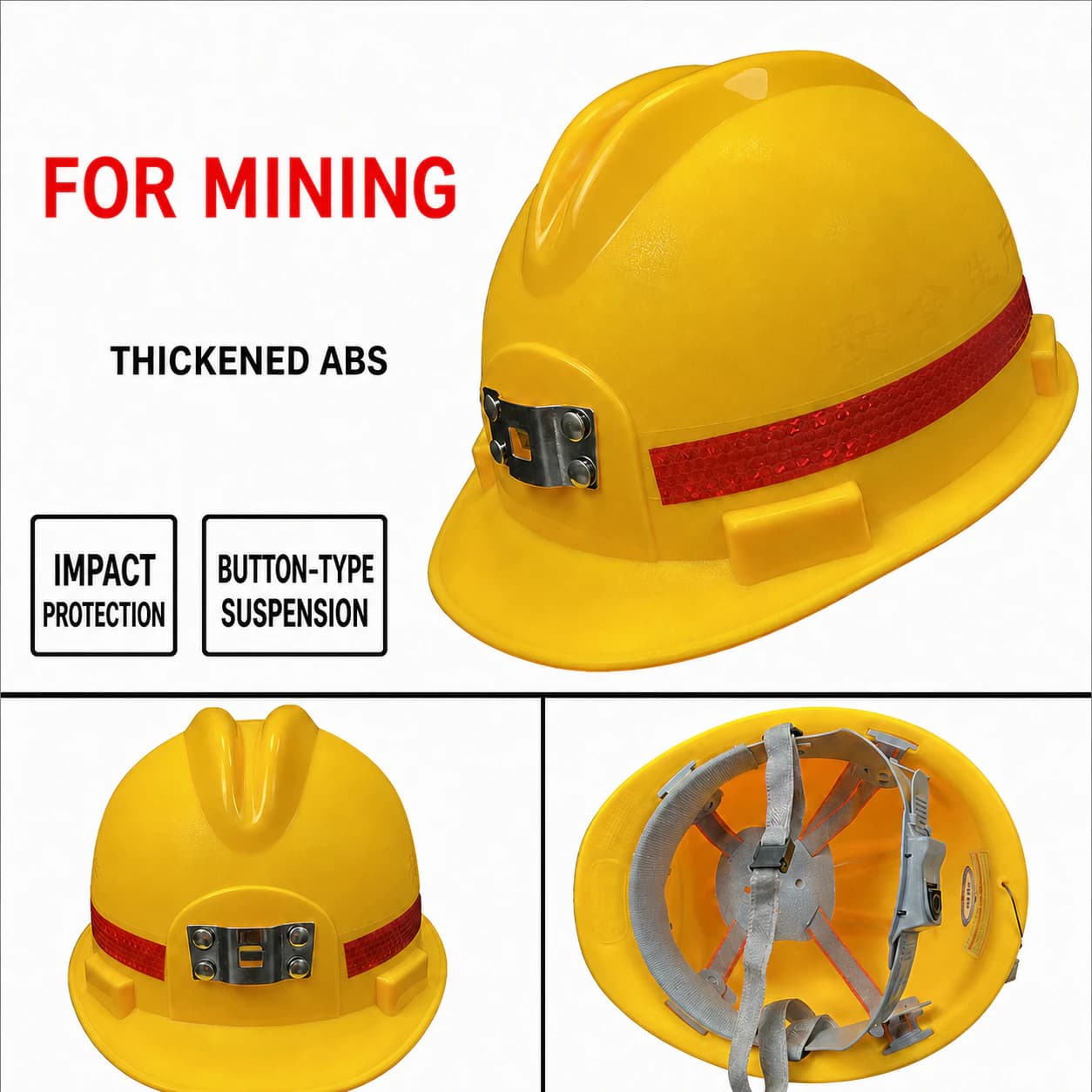
Hard hats with chin straps rated for impact and penetration
Dust respirators and particulate filtering masks
Impact-resistant safety goggles
Heavy-duty cut and vibration-resistant gloves
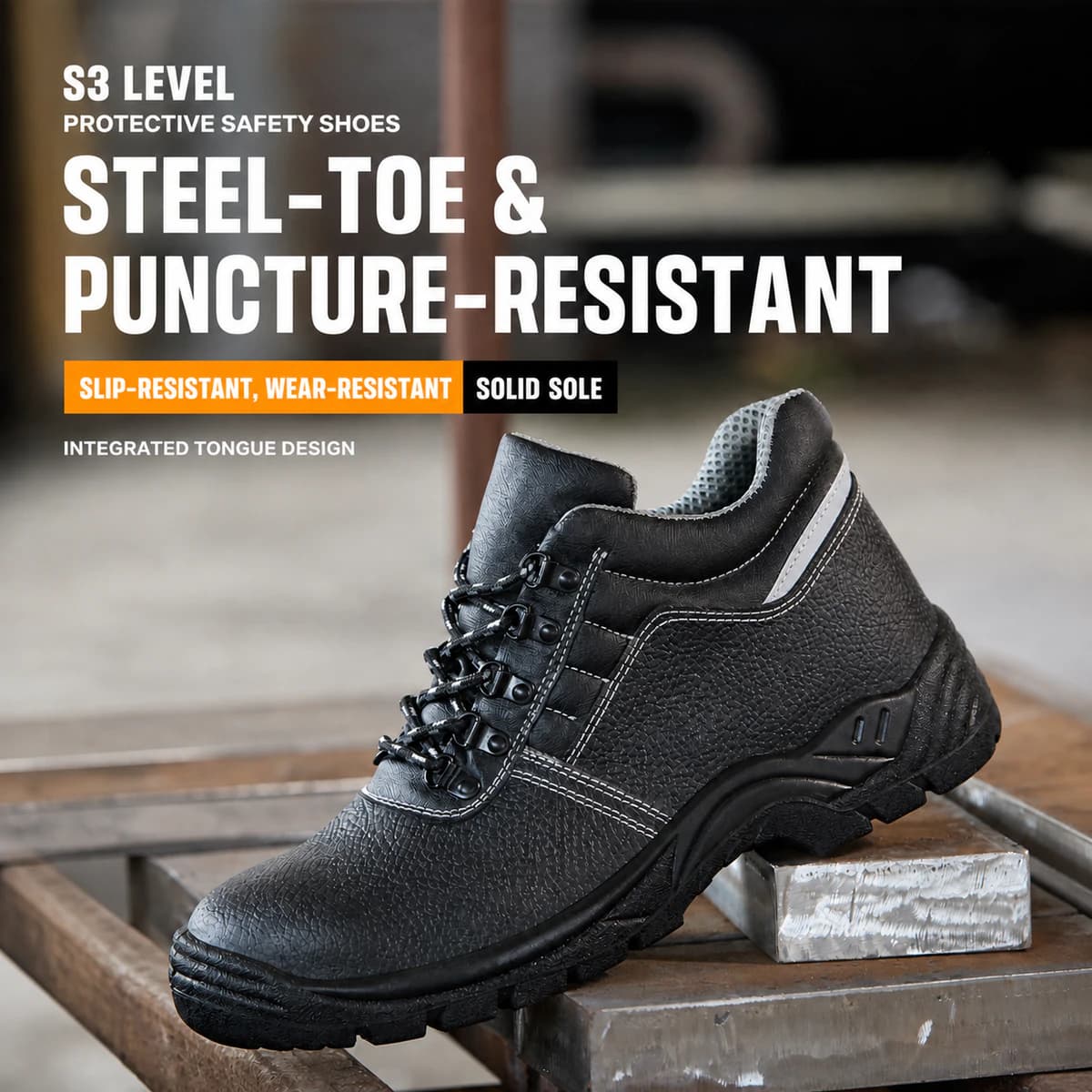
Steel toe mining boots with metatarsal guards
High-visibility vests for surface haulage areas
This guide helps mine operators, safety managers, and procurement teams identify the correct PPE for each mining task, understand applicable safety standards such as MSHA and ANSI, and source certified equipment in bulk for large-scale mining and quarrying projects.
Common Mining and Quarrying Hazards and Required PPE
Hazard
Potential Injury
Required PPE
Rockfall and cave-in
Head trauma, crushing injuries
Safety helmet with chin strap
Silica dust and airborne particles
Silicosis, chronic lung disease
P2/P3 particulate respirator
Blasting noise and drilling vibration
Permanent hearing loss
Earmuffs rated NRR 25+
Flying rock fragments
Eye lacerations, blindness
Impact-rated safety goggles
Sharp ore and rough rock surfaces
Hand cuts and abrasions
Cut-resistant gloves (EN 388 Level 4+)
Heavy equipment and falling tools
Foot crush and metatarsal fractures
Steel toe boots with metatarsal guard
Low visibility in underground tunnels
Collision with vehicles or equipment
Reflective hi-vis vest and cap lamp
PPE for Different Mining Tasks
Surface Quarry Extraction
Protect against flying debris, overhead rock, and heavy equipment movement in open-pit quarry environments.
Impact-rated safety helmet
Safety goggles with side shields
Steel toe boots with ankle support
Hi-vis reflective vest
Underground Drilling and Blasting
Select PPE that withstands extreme impact, noise, and dust generated during drilling and blasting cycles.
Hard hat with chin strap and cap lamp bracket
P3 particulate respirator
NRR 25+ earmuffs
Anti-vibration gloves
Rock Bolting and Ground Support
Protect hands and head during overhead rock bolting and mesh installation in unstable ground.
Impact-resistant gloves with dorsal protection
Safety helmet with face shield attachment
Steel toe boots
Underground Transport and Haulage
Ensure visibility and slip protection for workers around underground rail, conveyors, and haul trucks.
Slip-resistant mining boots
Reflective vest with retroreflective strips
Hard hat with integrated lamp
Impact-resistant gloves
Ore Crushing and Material Processing
Control dust inhalation and eye exposure during crushing, screening, and conveyor operations.
Dust respirator with replaceable filters
Sealed safety goggles
Hearing protection ear plugs
Essential PPE Categories for Mining Workers
Procurement Guidance for Mining PPE
Mining operations typically procure PPE in standardized kits for each role, including driller kits, surface operator kits, and underground transport kits, to ensure consistent compliance across shifts.
When sourcing mining PPE in bulk, verify that each item carries the appropriate certification marks such as ANSI Z89.1 for helmets, EN 388 for gloves, and NIOSH approval for respirators.
Consider establishing a scheduled replacement program based on manufacturer lifespan ratings and on-site wear assessments to maintain protection effectiveness over time.
U.S. Mine Safety and Health Administration standards for surface and underground metal/non-metal mines
ANSI Z89.1
Industrial head protection — impact and penetration resistance requirements for hard hats
ANSI Z87.1
Eye and face protection — impact resistance ratings for safety goggles and face shields
EN 388
Protective gloves against mechanical risks — cut, abrasion, tear, and puncture ratings
ISO 20345
Safety footwear — requirements for toe protection, puncture resistance, and slip resistance
NIOSH 42 CFR Part 84
Approval standards for respiratory protective devices including particulate respirators
All mining PPE should carry valid MSHA acceptance markings, ANSI certification, or equivalent EN/ISO approvals to meet mine-site audit requirements.
Frequently Asked Questions
What PPE is required for underground mining operations?
Underground miners typically need a hard hat with cap lamp, P2/P3 respirator, hearing protection, impact-rated goggles, cut-resistant gloves, and steel toe boots with metatarsal guards.
How often should mining safety helmets be replaced?
Most manufacturers recommend replacing mining hard hats every 2 to 5 years, or immediately after any significant impact or visible damage.
What type of respirator is needed for silica dust in quarries?
A NIOSH-approved N95 or P2/P3 particulate filtering respirator is required for silica dust exposure in quarrying operations.
Are anti-vibration gloves necessary for mining drill operators?
Yes, anti-vibration gloves help reduce the risk of Hand-Arm Vibration Syndrome (HAVS) for workers who operate pneumatic drills, rock bolters, and similar vibrating equipment.
What safety standards apply to mining PPE equipment?
Key standards include MSHA 30 CFR Parts 56 and 57, ANSI Z89.1 for helmets, ANSI Z87.1 for eye protection, EN 388 for gloves, and ISO 20345 for safety footwear.
Can mining PPE be purchased in bulk with custom branding?
Yes, most PPE manufacturers offer bulk pricing and custom branding options including company logos on helmets, vests, and glove cuffs for mine-site identification.
Need PPE for Your Mining or Quarrying Operation?
We supply certified mining PPE in bulk with MSHA and ANSI compliance documentation. Get custom kits for underground, surface, and processing plant workers.
Review the required standards, certificate samples, document needs, and factory capability before confirming quantities, packaging, and delivery details.
Standards
CE, EN, ANSI/ISEA and buyer-specific standard checks can be mapped before quoting.
Certification
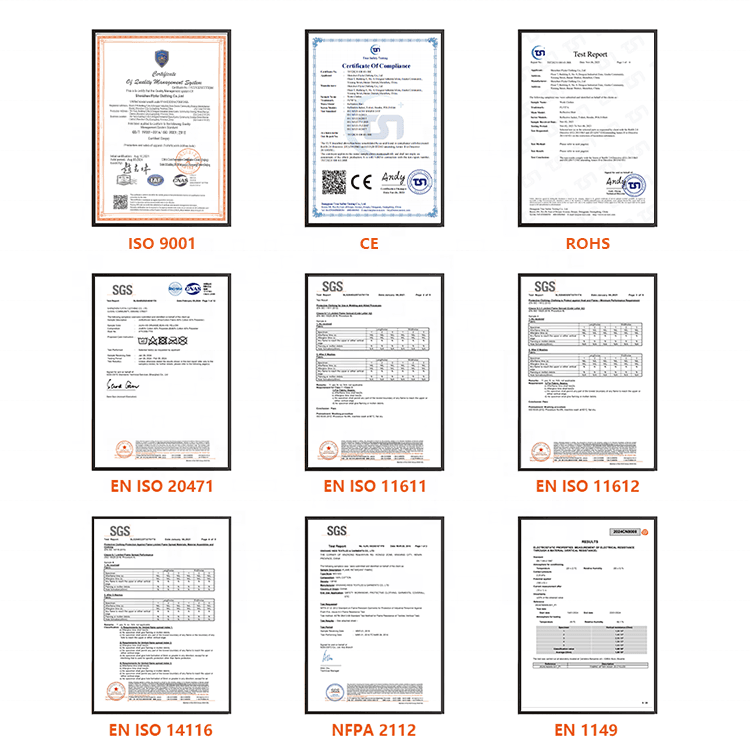
Certificate samples and product compliance files are available for qualified bulk buyers.
Sample docs
Use sample sheets, RFQ templates, and size standards before finalizing order quantities.
Factory proof
Direct factory supply with OEM/ODM support, inspection workflow, and repeat order handling.
Related downloads
Turn this solution into a buying brief
Download the checklist, RFQ template, and size sheet, then send quantities and standards through the quote form.