Standards
CE, EN, ANSI/ISEA and buyer-specific standard checks can be mapped before quoting.

Plan warehouse and logistics PPE by task, approved model, fit, issue quantities and supplier documents before placing a bulk order.
Warehouse PPE commonly includes protective footwear, handling gloves and visibility clothing, with eye, head, hearing or cold-weather protection added for the assessed task. Define the site requirements first, then buy approved models in the sizes and quantities your receiving, picking, packing and dock teams will use.
Use this page to turn warehouse PPE requirements into a bulk buying brief: task, product specification, approved sample, size allocation, issue quantity and supporting documents. Confirm the delivery destination and applicable requirements before comparing supplier prices.
PPE supports the site hazard assessment and operating controls. It does not replace vehicle segregation, dock protection or safe handling arrangements. Specialized maintenance, chemical work and work at height need their own selection decisions.
| Work exposure | PPE to assess | What to confirm before buying |
|---|---|---|
| Mixed vehicle and pedestrian areas | Visibility clothing and protective footwear | Site garment requirements, worn layers, footwear specification and sizes. Vehicle controls remain necessary. |
| Cartons, pallets, cutters and straps | Handling gloves, footwear and eye protection as assessed | Grip, dexterity, cut or abrasion performance, eyewear coverage and the exact handling task. |
| Overhead material or falling objects | Head protection where required by the assessment | Documented helmet performance, fit and compatibility with other issued PPE. |
| Dust or flying packaging debris | Task-appropriate eye protection | The actual hazard, lens or goggle specification, fit and compatibility. Assess any respiratory hazard separately. |
| Wet or changing floor conditions | Protective footwear with suitable outsole performance | Floor and contaminant conditions, available product evidence and a controlled wear trial. |
| Cold rooms and freezers | Thermal gloves, footwear and clothing | Temperature, exposure time, moisture, manufacturer limitations and full-kit dexterity. |
| Noise or specialist maintenance | Protection identified by the relevant assessment | Measured exposure or task information and model-specific suitability before adding items to the kit. |
Specify a kit for unloading, scanning and pallet movement from the actual task assessment.
Check the selected gloves and footwear during representative picking, packing and approved cutter tasks.
Define the PPE requirements for operators and nearby handlers separately.
Review handling grip, sharp edges and overhead material before agreeing the kit.
Give the supplier temperature, exposure duration and moisture conditions before requesting thermal PPE.

The linked catalog models below are candidates for a warehouse trial, not a pre-approved kit. The task-to-model table explains where each could fit. Confirm the exact model, supporting documents, available sizes, current availability and sample before issuing an order.
Keep a separate specification line for each approved model and size. Request current minimum order, packing arrangement and lead time in the quotation; do not assume a catalog model or a general product photo proves suitability for every warehouse.
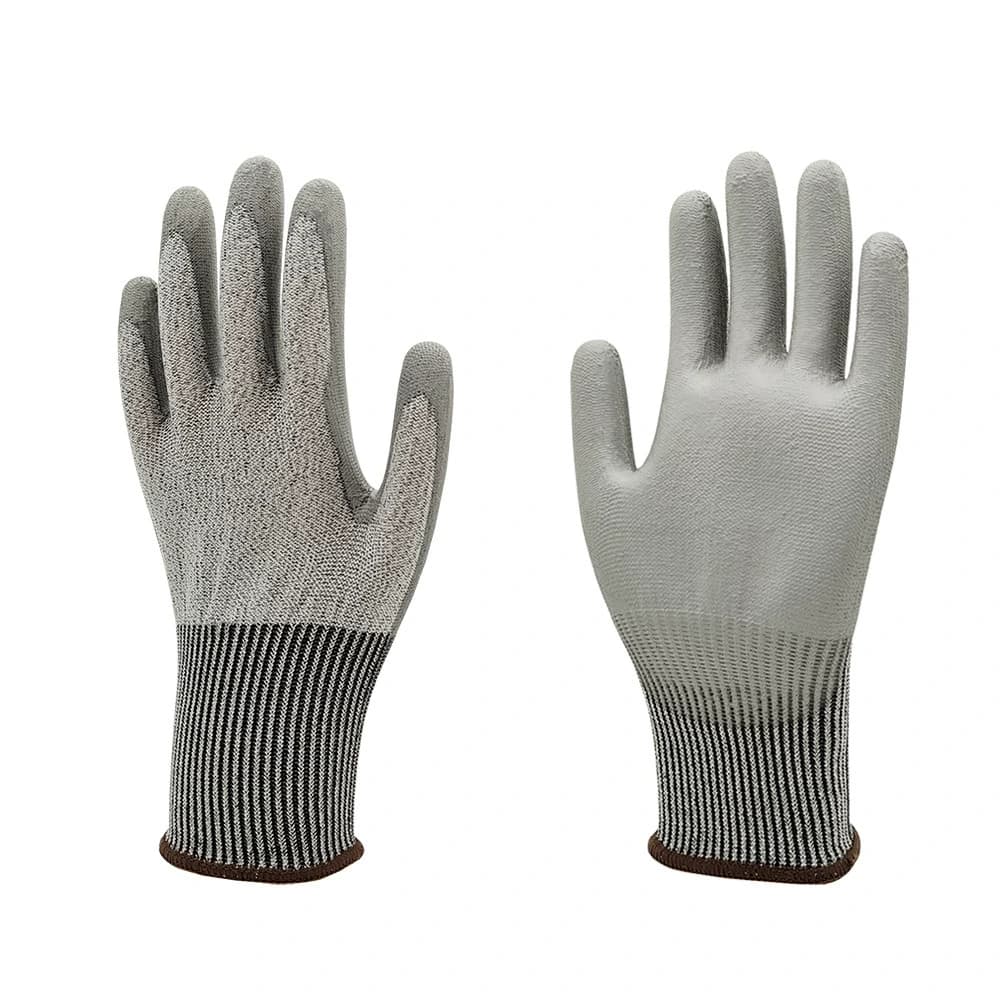
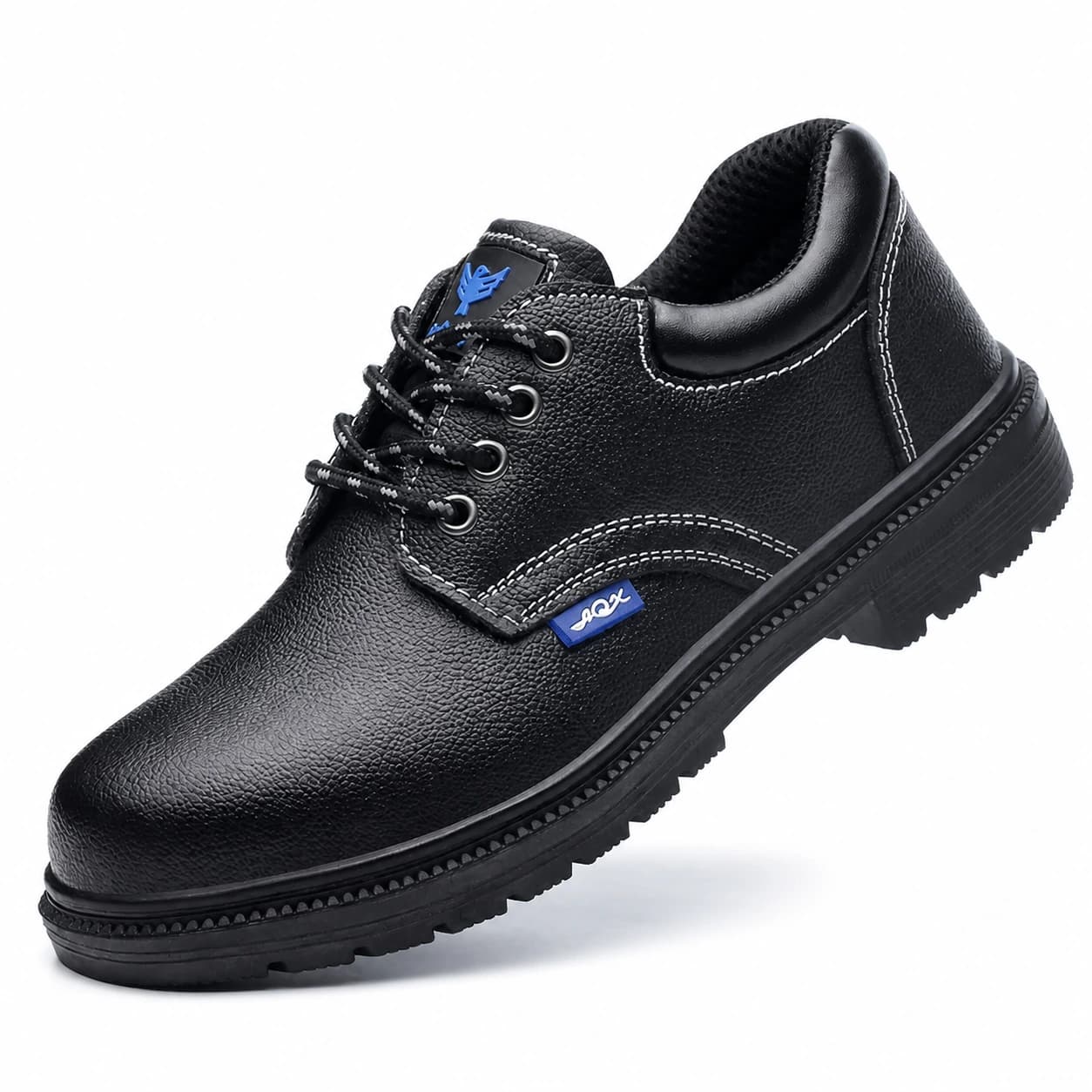
| Task and team | Catalog model to evaluate | Why it is on the shortlist | Approval check before an RFQ |
|---|---|---|---|
| Carton, pallet and approved cutter handling | CR-PU-GRY cut-resistant PU-coated gloves | Palm-coated HPPE composite glove; the catalog lists sizes S-2XL and an EN 388:2016 4X42D marking. | Trial grip, scanner use and dexterity on the actual task. Request model-matched performance evidence; cut-resistant does not mean cut-proof. |
| Receiving, picking and dock footwear | LD-005-BLK cowhide steel-toe shoes | Low-cut cowhide model with a steel toe and steel midsole; catalog size range EU 35-47 and listed minimum order of 100 pairs. | Trial fit and floor grip with work socks. Confirm the required standard and exact-model documents; the product listing alone does not prove slip performance. |
| Vehicle-facing receiving and loading zones | R-001 reflective zip-front vest | A 120 g polyester, zip-front reflective vest shown in the catalog as a model candidate. | Confirm the site's visibility class, garment markings, inclusive size range and current availability. This men's cut may not fit every wearer. |
| Packaging debris and strapping tasks, if assessed | EY02 clear PC safety glasses | Clear polycarbonate eyewear listed as anti-fog and anti-scratch; the catalog states EN 166F. | Check actual lens markings, model documents, coverage and fit with other issued PPE; confirm current availability. |
Task and destination
State work areas, roles, the assessed exposure and the destination market.
Model and performance
State the category, exact model or required specification, relevant performance and documents to review.
Fit and sample approval
List sizes, footwear widths where relevant, sample quantities and the person approving the complete worn kit.
Quantity and unit
Separate pairs, pieces and sets. Give quantities by approved model and size, including the stated reserve requirement.
Packing and delivery
Request labels by role or size where needed, packing quantities, delivery location and the requested date.
Repeat orders
Require review before a change of model, materials, size range or performance. Agree replacement availability before ordering.
| Product category | Typical warehouse buying use | Evidence and sample checks |
|---|---|---|
| Handling gloves | Carton handling, packing and pallet work | Exact model, documented performance for the task, available sizes, grip and dexterity trial. |
| Safety footwear | Receiving, picking, dock and handling teams | Specified protection, outsole evidence relevant to conditions, size and width range, controlled wear trial. |
| Workwear and visibility clothing | Site clothing, visibility requirements and layered outfits | Exact garment specification, size chart, relevant visibility or thermal evidence where claimed and complete-outfit trial. |
| Eye protection | Task-assessed packaging, debris, dust or splash exposure | Exact eyewear model, relevant markings and documents, coverage, fit and compatibility. |
| Head protection | Tasks with assessed head hazards | Model documents, specified performance, fit system, compatible accessories and manufacturer instructions. |
Assign by role and size
List the wearers needing each approved model and size. Use the footwear size guide to prepare the size request, then confirm the actual model fit.
Check the starting quantity
Calculate initial issue from the number of wearers and approved units per wearer. Add a documented cleaning or replacement reserve and subtract usable stock of the same model and size. Order additional units only when there is a shortfall.
Use site records for reserves
Base replacement stock on wear, damage, cleaning rotation, ordering lead time and previous consumption. Use the PPE quantity calculator as an estimate to check against these records.
Record issue and changes
Record the model, size, quantity, issue date and responsible person. Inspect and replace against the manufacturer instructions and site criteria; reapprove changed models before issue.
Project background provided by Laifappe: PPE procurement for an African warehouse supporting a United Nations project. Customer identity and original order figures are not disclosed here. The 100-person staffing model, product allocation, quantities and RFQ steps below are proposed planning details created for this guide, not a transcription of the shipped order. No UN endorsement is implied.
For the proposed plan, allocate 60 people to picking and packing, 25 to receiving and putaway, and 15 to the loading dock. The 40 receiving and dock staff are assumed to work near vehicle routes. Plan footwear and handling gloves for all 100 workers, visibility garments for those 40, and eyewear for 25 people handling packaging debris or straps, subject to the project's site assessment.
| Candidate PPE line | Initial issue calculation | Planning allowance | Proposed RFQ quantity | Final check |
|---|---|---|---|---|
| LD-005-BLK footwear | 100 wearers x 1 pair = 100 pairs | 5 pairs for new starters or fit exchanges | 105 pairs | Allocate EU sizes after a sample fit trial; confirm floor performance, model documents and the listed 100-pair minimum. |
| CR-PU-GRY handling gloves | 100 wearers x 2 pairs = 200 pairs | 30 pairs for the first issue period, pending site usage data | 230 pairs | Split S-2XL by trial results. Replace the planning allowance with measured wear and replacement records. |
| R-001 reflective vest | 40 vehicle-zone wearers x 1 vest = 40 pieces | 5 pieces for fit exchanges or new starters | 45 pieces | Confirm the required visibility class, fit for every wearer and supply availability; specify another approved cut if needed. |
| EY02 safety glasses | 25 assessed wearers x 1 pair = 25 pairs | 5 pairs for replacement or new starters | 30 pairs | Only include for assessed tasks. Confirm markings, documents, fit and supply availability. |
Map picking, receiving and loading zones, then record which workers actually need each protection type.
Request samples in representative glove and footwear sizes, plus visibility and eyewear options.
Match the proposed model and markings to the destination's required documents, then record approved sizes and units.
Send model-by-size quantities, packing labels, destination and requested date; ask the supplier to confirm price, availability and lead time.
Site selection and fit
For US general industry, OSHA 29 CFR 1910.132 addresses hazard assessment and PPE selection, including proper fit. Confirm the requirements for your destination and task.
Exact model evidence
Request the relevant declaration, test report or certificate where applicable. Check the model, claimed performance, standard and edition against your purchase specification.
Labels and instructions
Match markings, size information, user instructions and approved accessories to the proposed sample. A general company certificate does not establish every product claim.
Warehouse conditions
Use OSHA warehouse guidance to support the site review, including cold-storage conditions. Review product limitations against the actual work environment.
Start with the site hazard assessment. Protective footwear, handling gloves and visibility clothing are common selections. Add eye, head, hearing, thermal or other protection where the task and conditions require it.
Confirm the site rules and assessed visibility requirements for each work area. Specify the garment and complete worn outfit, including jackets or other layers, rather than choosing only by color.
Specify the protective performance, floor conditions and size or width needs before comparing models. Confirm the product documents and use samples to check fit with the intended work socks.
Head protection depends on the assessed hazards and applicable requirements. Define the locations and tasks that need it, then confirm model performance, fit and accessory compatibility.
Send the roles, approved product specifications, sizes, quantities and packing requirements. Confirm the proposed models, sample approval, availability and delivery terms before treating the kit as agreed.
Use site issue and replacement records, cleaning rotation, usable stock and confirmed supplier lead time. Record the quantity in pairs, pieces or sets for each model and size; a single reserve percentage will not fit every item.
Check the exact model, relevant performance evidence, markings and user instructions against the approved sample and purchase specification. Review any change of model or configuration before accepting a substitute.
Send your tasks, destination, product specifications, sizes and quantities. Include sample and document requirements so the proposed models, packing and delivery can be confirmed.
Review the required standards, certificate samples, document needs, and factory capability before confirming quantities, packaging, and delivery details.
CE, EN, ANSI/ISEA and buyer-specific standard checks can be mapped before quoting.
Certificate samples and product compliance files are available for qualified bulk buyers.
Use sample sheets, RFQ templates, and size standards before finalizing order quantities.
Direct factory supply with OEM/ODM support, inspection workflow, and repeat order handling.
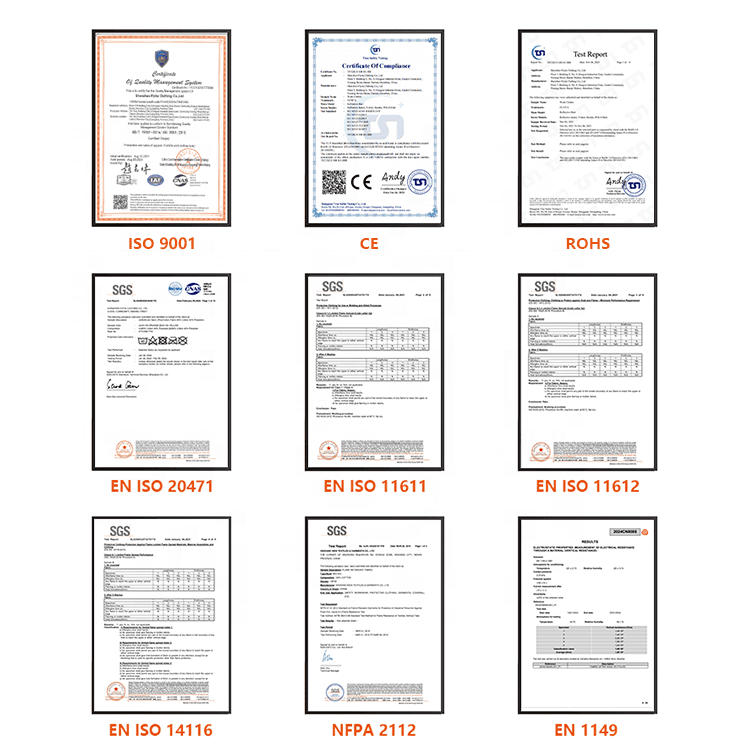
Record task-specific PPE, approved models, sizes, issue quantities, and supplier documents before requesting a warehouse or logistics quote.
Related Tools
These tools help buyers convert the solution into sizing checks, compliance review, quantity planning, and a faster quote request.
Turn site conditions, hazards, and worker roles into a shortlist of PPE SKUs and a fast quote request.
Build a quoteEstimate monthly usage, replacement cycles, and budget needs before you place a bulk PPE order.
Plan quantitiesDecode ASTM F2413 and EN ISO 20345 markings such as S3, SRC, HRO, EH, and PR in seconds.
Decode labels