Buyer next step
Turn this guide into a sourced PPE shortlist with standards, quantities, and role-based kit notes.
Planning tools
Use these tools before moving from this guide into quantities, sizing, labels, or RFQ planning.
Construction buyers are hearing the same question more often: should the crew keep using traditional hard hats, or should the site move to modern safety helmets with chin straps and added side-impact protection?
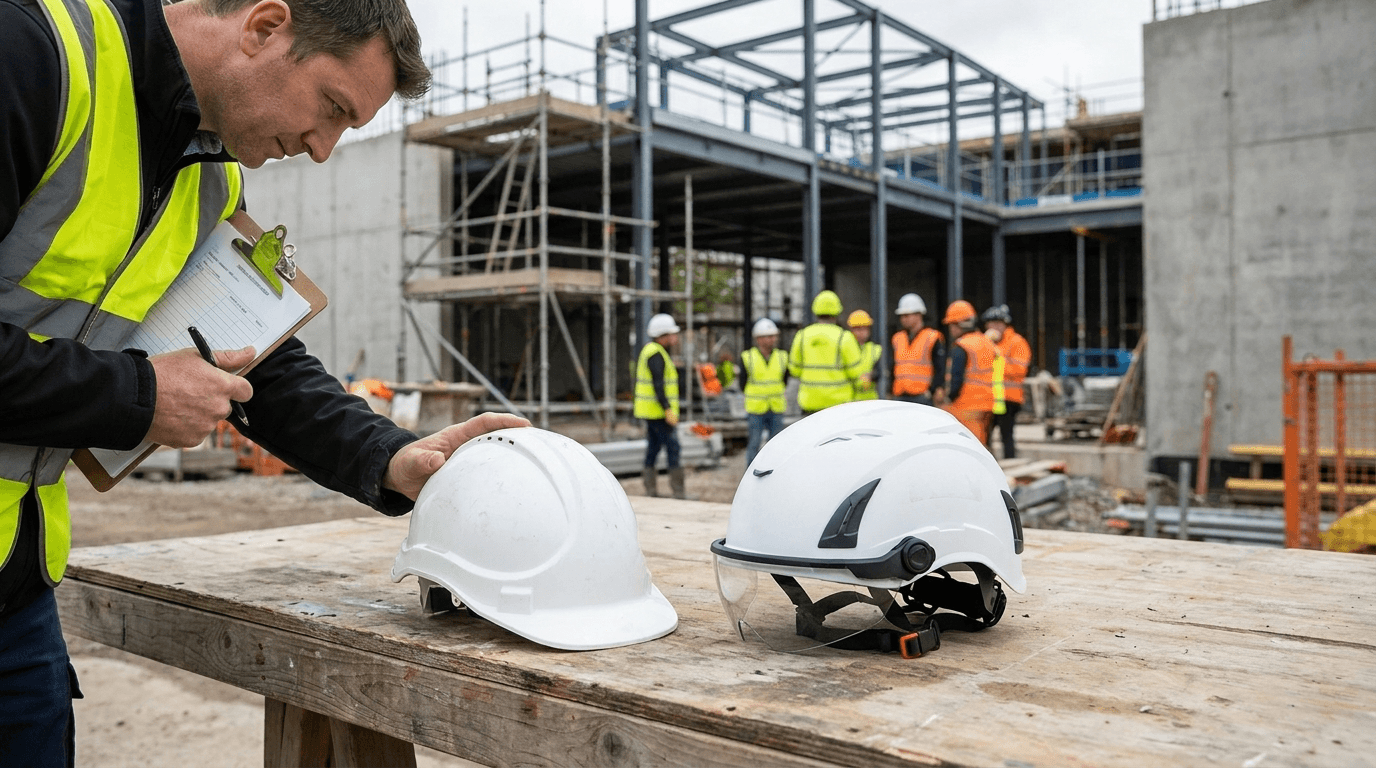
The answer is not "always upgrade" and it is not "hard hats are obsolete." A traditional hard hat can still be appropriate for many construction tasks. Buyers should upgrade when the job changes from mostly overhead impact exposure to a broader head-protection problem: side impact, fall or slip movement, climbing, leaning, wind, work at height, congested structures, moving equipment, or accessory-heavy PPE systems.
This guide compares safety helmets and hard hats for construction buyers, safety managers, contractors, distributors, and procurement teams. It explains the practical differences, the OSHA and ANSI basis, when Type II head protection matters, when chin straps help, what electrical classes still mean, and how to write a supplier-ready purchase specification.
Use this article as the comparison page. For the focused Type I vs Type II decision, read Type 1 vs Type 2 hard hats. For the focused electrical class decision, read Class E vs Class G vs Class C hard hats. For the shell ventilation decision, read vented vs non-vented hard hats for construction. For brim shape, read full brim vs cap style hard hats. For role colors, visitor helmets, and color-coded site identification, read hard hat color codes on construction sites. For the broader category view, read Types of hard hats for construction. For the full PPE system, start with the Complete PPE solution for construction sites. For scaffold work, use PPE for scaffolding and elevated platforms. For bridge, roadwork, and traffic exposure, use PPE for road and bridge construction projects.
Quick Answer: Safety Helmet Or Hard Hat?
Use a traditional hard hat when the main exposure is top impact from falling or flying objects, the worker is on stable ground, retention risk is low, and the selected hard hat meets the required ANSI/ISEA Z89.1 type and electrical class.
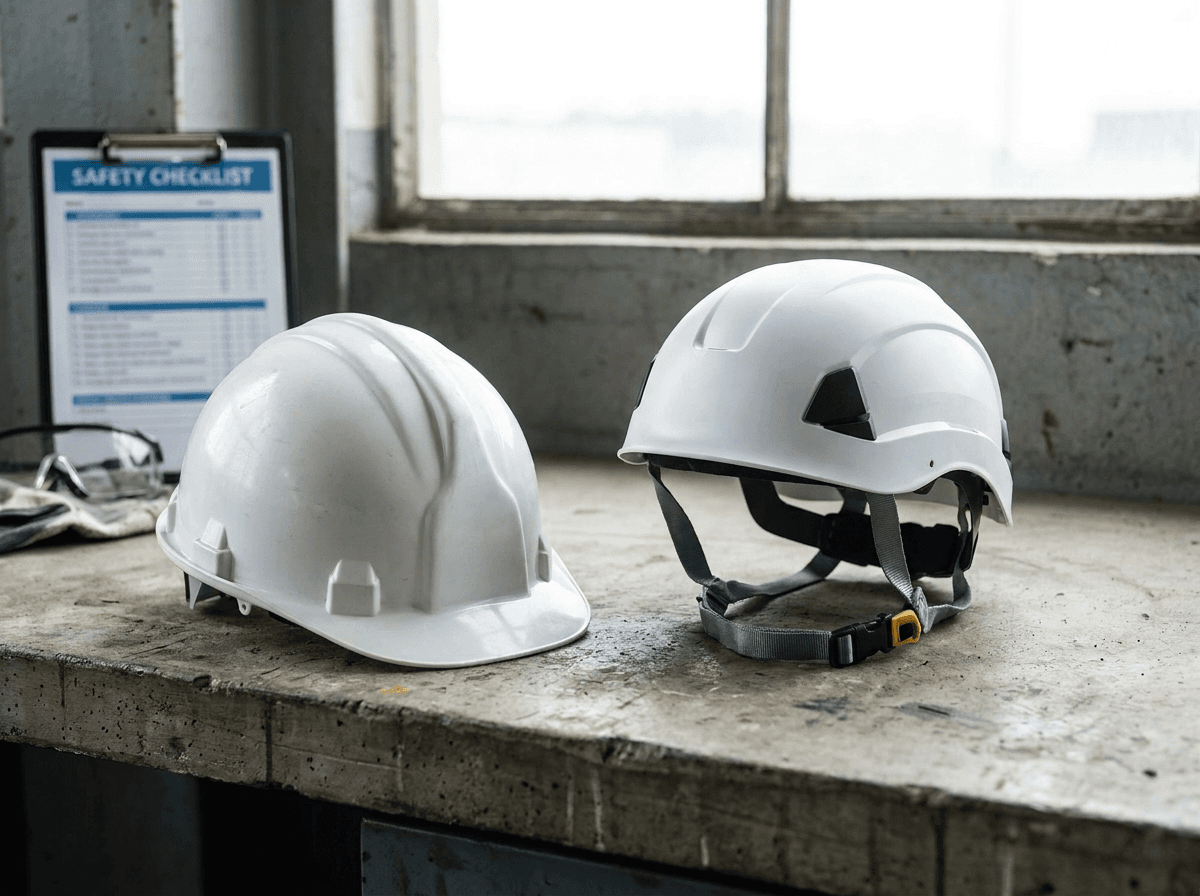
Upgrade to a construction safety helmet when the buyer needs more than a basic top-impact shell: Type II lateral-impact protection, better retention, a manufacturer-approved chin strap, integrated accessory mounts, or a head protection system that performs during climbing, elevated work, demolition, scaffolding, bridge work, and congested jobsite movement.
Consider a modern safety helmet when the task involves:
- work at height
- scaffolding or elevated platforms
- steel erection
- bridge decks and overpasses
- demolition and renovation
- climbing, leaning, or frequent body movement
- side-impact exposure from structures, equipment, or fixed objects
- wind, fall, or slip conditions where the helmet may come off
- congested access, low-clearance work, or confined structures
- frequent use of chin straps, integrated eyewear, earmuffs, face shields, or headlamps
A better procurement decision is not "helmet shape." It is:
- Identify the head injury exposure.
- Decide whether Type I or Type II protection is needed.
- Decide the electrical class: G, E, or C.
- Decide whether chin strap retention is needed.
- Check compatibility with eyewear, hearing protection, respirators, face shields, lights, and fall protection.
- Confirm fit, replacement parts, inspection rules, and documentation.
Buyer Upgrade Decision Matrix
Use this matrix before asking suppliers for a safety helmet quote. It keeps the upgrade tied to real exposure instead of style, trend, or pressure to buy the newest-looking product.
| Buyer situation | Stay with a traditional hard hat when... | Upgrade to a safety helmet when... | RFQ note |
|---|---|---|---|
| General site access | Workers mainly face overhead falling-object exposure on stable ground | The site requires stronger retention, side-impact protection, or a uniform higher-risk head protection policy | Separate visitor stock from high-risk trade stock |
| Scaffolding and elevated platforms | Workers are using completed platforms with lower movement and side-impact exposure | Workers erect, dismantle, climb, lean, or move through scaffold frames | Ask for Type II and approved chin strap options |
| Steel, bridge, and structure work | Work is controlled and mostly top-impact exposure | Workers climb, connect steel, work near edges, or face lateral contact with beams and structures | Run field trials with fall protection and eyewear |
| Demolition and renovation | Debris exposure is light and access is stable | Side impact, low clearance, unpredictable debris, and congested movement are credible | Check compatibility with goggles, respirators, and hearing protection |
| Electrical construction | The hard hat already meets the required electrical class | Helmet-style protection is needed, but the electrical class must still be Class E, G, or C as required | Do not replace a Class E need with a vented Class C helmet |
| Road, bridge, and outdoor work | Main exposure is overhead or site-entry access | Wind, equipment movement, bridge edges, night work, or frequent bending increases retention risk | Check hi-vis, hearing, eyewear, and weather-layer compatibility |
The buyer's upgrade trigger is not the word "helmet." It is the combination of impact direction, retention, electrical class, accessory compatibility, and worker acceptance.
What OSHA Actually Requires
OSHA's construction head protection rule is 29 CFR 1926.100. It requires employees working where there is possible danger of head injury from impact, falling or flying objects, electrical shock, or burns to be protected by protective helmets.
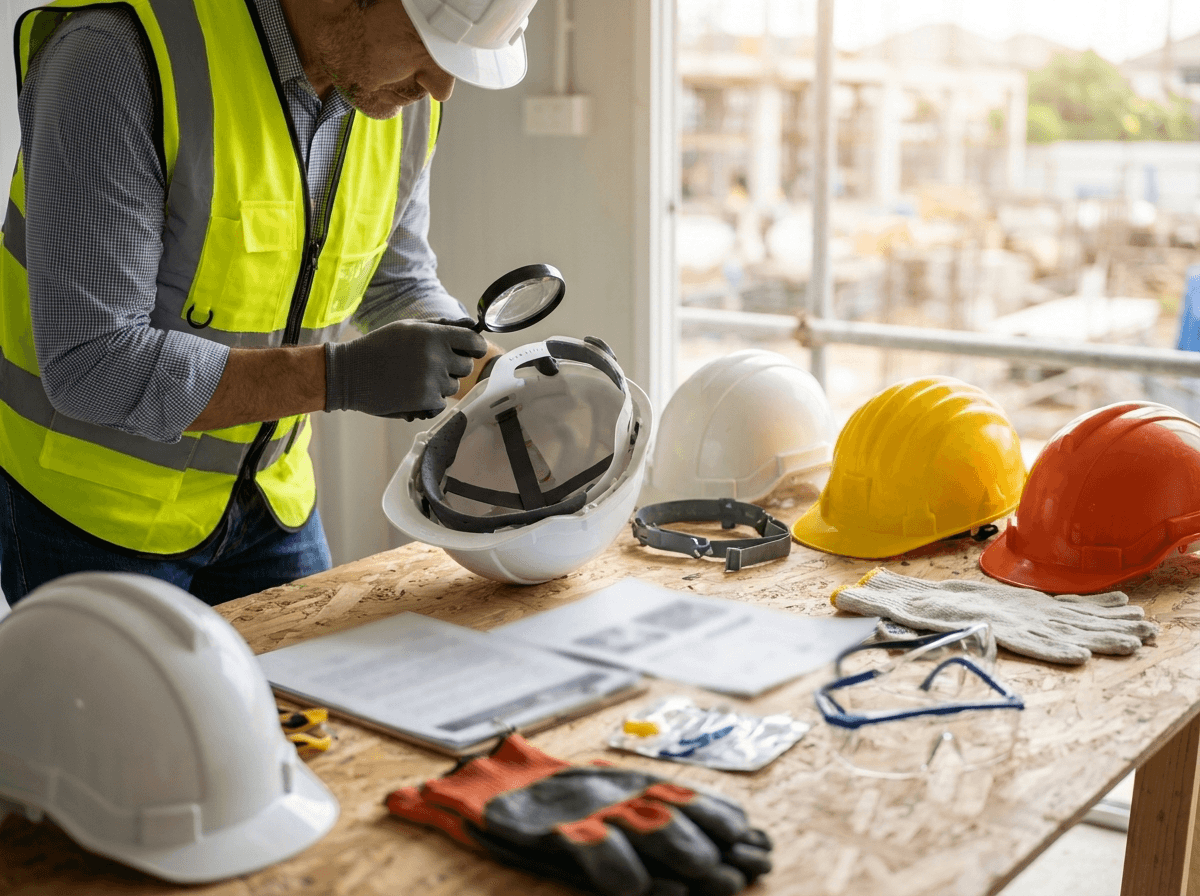
OSHA does not use the marketing distinction "hard hat" versus "safety helmet" as the core rule. The practical requirement is that the head protection must protect against the relevant hazard and meet, or be at least as effective as, recognized consensus standard protection.
For construction, OSHA recognizes head protection meeting listed editions of ANSI Z89.1, and OSHA has also published guidance discussing safety helmets as a modern head protection option. OSHA's 2023 Safety and Health Information Bulletin explains that traditional hard hats generally protect mainly against top impact, while many modern safety helmets add features such as chin straps, side-impact protection, and improved retention.
That means buyers should not ask, "Is this OSHA approved?" as the only question. A better question is:
Does this head protection match the task exposure, ANSI/ISEA Z89.1 type and class, electrical hazard, retention need, accessory load, and fit requirements?
Safety Helmet vs Hard Hat: Practical Differences
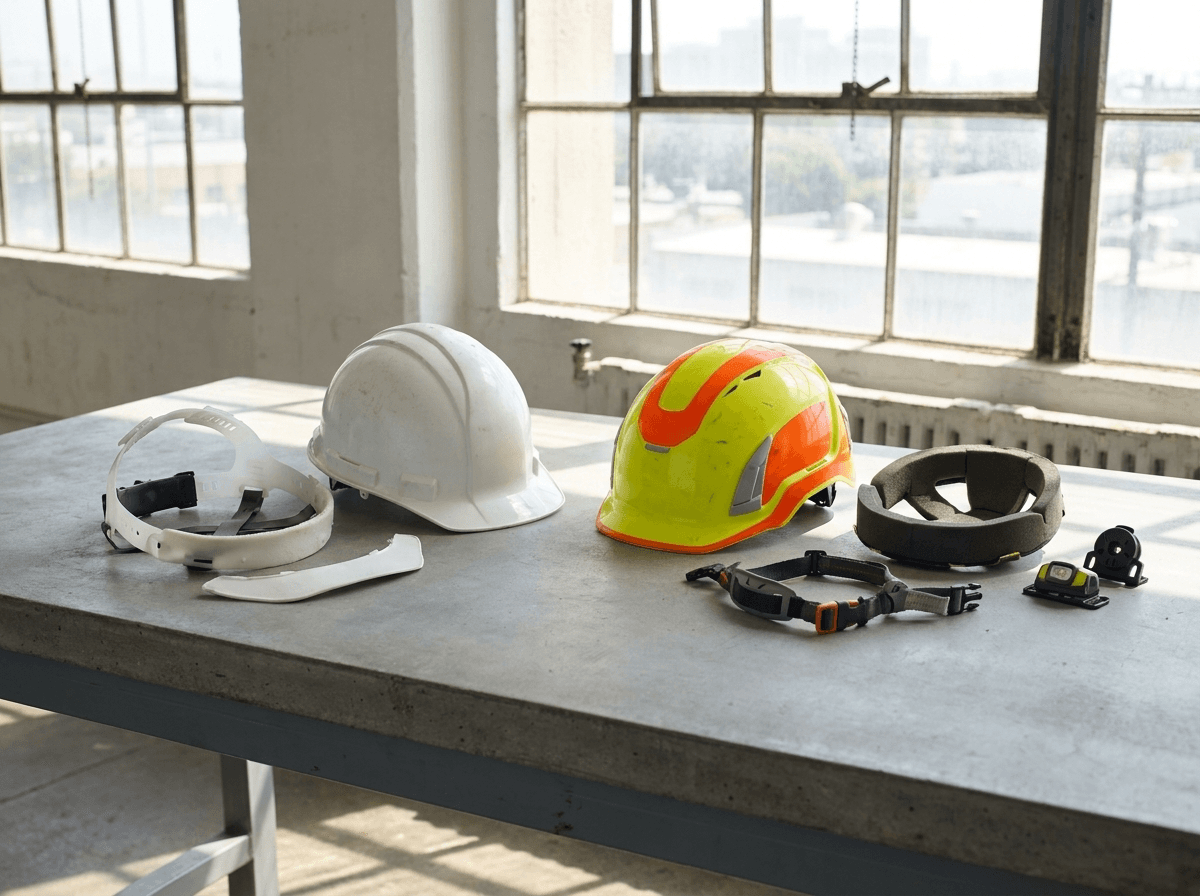
The terms are sometimes used loosely, so define them by design and performance.
| Feature | Traditional hard hat | Modern safety helmet |
|---|---|---|
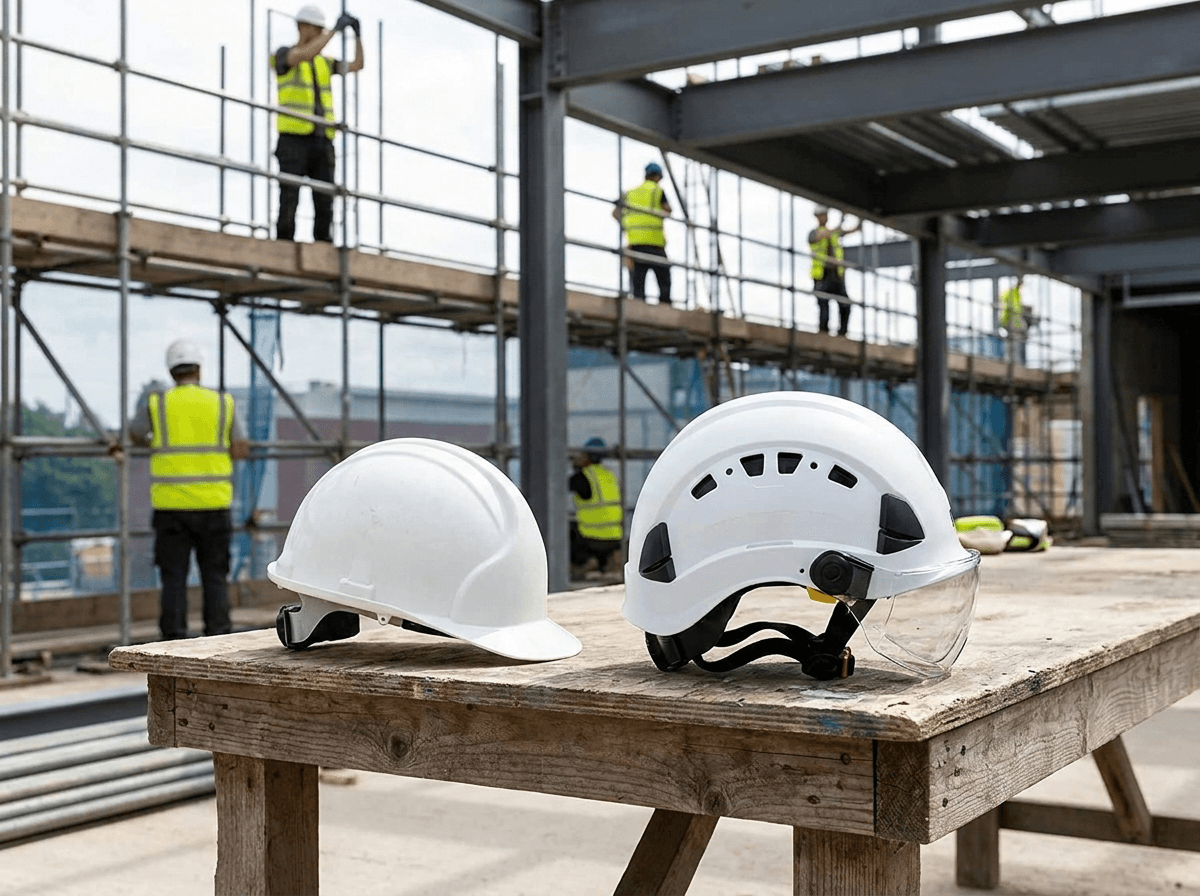
| Typical shell shape | Cap-style or full-brim shell | Climbing-style or compact helmet-style shell |
| Main protection focus | Often top impact, depending on ANSI type | Often top plus side-impact options, depending on ANSI type |
| Retention | Usually suspension only; chin strap optional on some models | Chin strap commonly integrated or expected |
| Side impact | Only if selected as Type II | Often selected specifically for Type II side-impact protection |
| Accessory integration | Varies by model | Often designed for eyewear, earmuffs, face shields, lights, and straps |
| Worker acceptance | Familiar, lower cost, simpler | Higher cost, more fit management, sometimes better retention |
| Best fit | General site access and overhead falling-object exposure | Height work, scaffolding, climbing, congested structures, and side-impact risk |
The safety benefit comes from the exact tested product, not the name. A helmet-style product that does not meet the right standard is not better than a compliant hard hat. A traditional-looking hard hat that meets Type II and has a compatible chin strap may solve some of the same problems.
Type I vs Type II Matters More Than The Name
The most important performance distinction in ANSI/ISEA Z89.1 is Type I versus Type II.
| ANSI type | Protection focus | What it means for buyers |
|---|---|---|
| Type I | Top impact | Common for falling-object exposure from above |
| Type II | Top and lateral impact | Better suited where side, front, back, or off-center impact is realistic |
Traditional hard hats are often Type I, but some hard hats are Type II. Modern safety helmets are often purchased because buyers want Type II protection, but the label still has to confirm it.
Type II protection becomes more relevant for:
- scaffolders moving through frames and bracing
- steel erectors working around beams and fixed structures
- demolition crews exposed to uncontrolled debris and congested spaces
- bridge workers near edges, equipment, and formwork
- workers climbing ladders, towers, access platforms, or temporary structures
- crews in low-clearance mechanical areas or tunnels
- workers near moving equipment, suspended loads, or side-contact hazards
If the real hazard is only falling objects from above, Type I may be enough. If the worker can hit the side of the head, fall and strike a structure, or work in a congested elevated area, Type II should be considered.
For a deeper explanation of Type I, Type II, Class G, Class E, and Class C, use the Type 1 vs Type 2 hard hats buyer guide.
Chin Straps: When Retention Becomes A Safety Feature
Chin straps are not just an accessory preference. They solve a practical problem: head protection that comes off during a fall, slip, climb, wind event, or awkward movement cannot protect the worker at the moment it is needed.
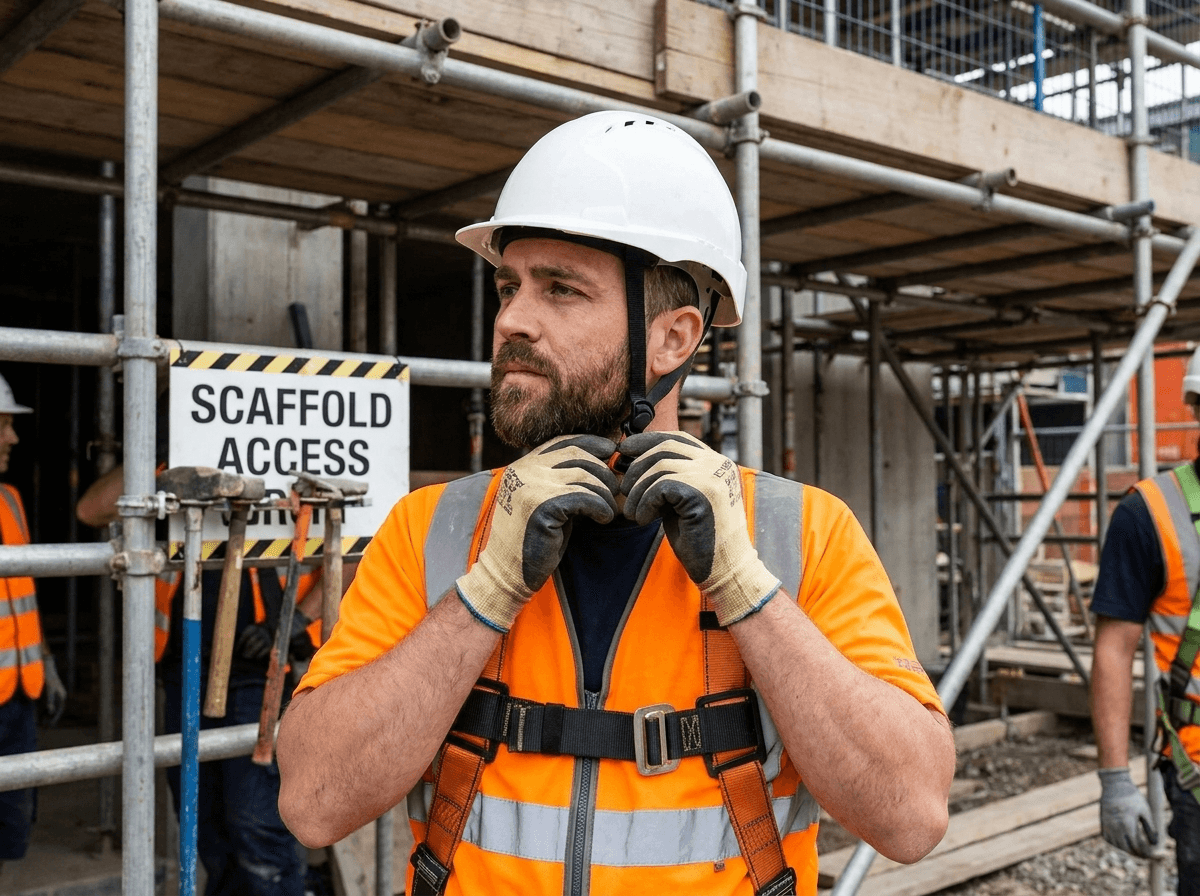
Chin strap retention is especially useful for:
- scaffolding erection and dismantling
- ladder climbing and tower access
- work at height or near open edges
- bridge and overpass work
- steel erection
- roofing and sloped surfaces
- windy outdoor work
- rescue, rope access, or confined access tasks
- frequent bending, leaning, or looking upward
But chin straps must be compatible with the helmet and the work. Do not improvise a strap. Use a manufacturer-approved chin strap or a helmet system designed with retention. Check that it does not interfere with respirators, hearing protection, face shields, eyewear, communication headsets, or welding PPE.
For scaffolding work specifically, the PPE for scaffolding and elevated platforms solution gives a stronger role-based PPE package.
Electrical Class Still Matters
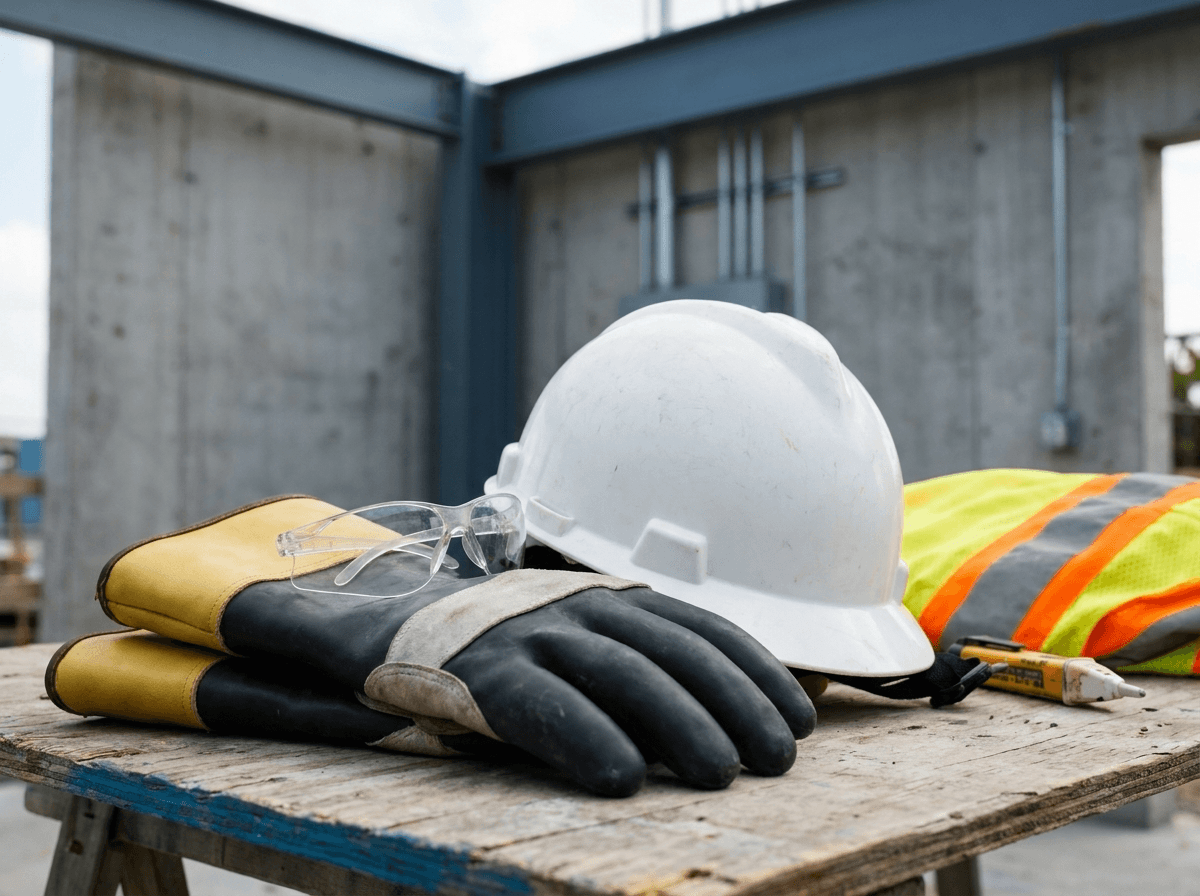
Upgrading to a safety helmet does not remove the electrical class decision. Buyers still need to check the marking.
| Electrical class | Practical meaning | Common construction implication |
|---|---|---|
| Class G | General electrical protection | Limited electrical protection for some construction settings |
| Class E | Higher electrical protection | Often considered where electrical contact exposure is possible |
| Class C | Conductive or no electrical protection | May be vented and cooler, but not suitable for electrical exposure |
Vented helmets are attractive for hot-weather roadwork and outdoor construction, but a vented Class C product may be wrong around energized electrical exposure. Electrical crews, utility work, temporary power, and overhead line exposure need a stricter review. Use the vented vs non-vented hard hats guide when the buyer needs a focused shell ventilation decision.
Do not buy by style first. Buy by class and hazard first.
When A Traditional Hard Hat Is Still The Better Buy
A safety helmet upgrade is not automatically the best procurement decision for every worker. A traditional hard hat can still be a better buy when:
- the task mainly involves top-impact exposure from falling or flying objects
- the worker stays on stable ground with low retention risk
- side-impact exposure is not a realistic hazard
- the hard hat already meets the required ANSI/ISEA Z89.1 type and electrical class
- accessories are simple and already compatible
- the crew needs low-cost controlled visitor or general-access stock
- heat, comfort, and acceptance problems would cause workers to misuse the helmet
This matters for bulk purchasing. If the buyer forces one expensive helmet across every role, the order may waste budget while still missing the exact Class E, Type II, chin strap, face shield, or earmuff compatibility that high-risk roles actually need.
The better approach is role-based: keep a controlled hard hat baseline where it is enough, then upgrade scaffolders, steel crews, demolition teams, bridge workers, roofers, climbers, and other high-movement roles where the risk supports it.
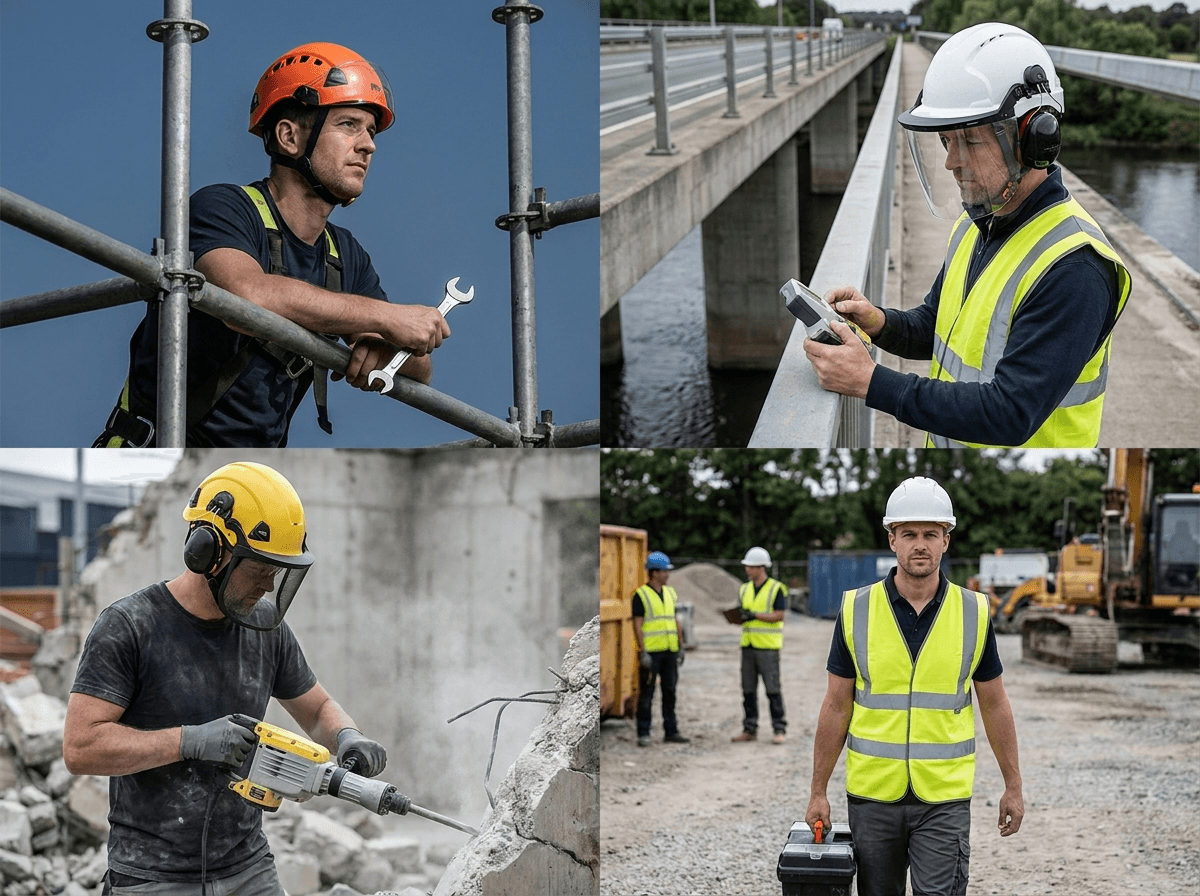
Which Construction Tasks Should Consider Safety Helmets?
The decision should follow the work, not the job title.
| Construction task | Traditional hard hat may be enough when... | Safety helmet is worth considering when... |
|---|---|---|
| General site access | Main hazard is top impact and worker stays on stable ground | Site has moving equipment, side-impact exposure, or strict retention policy |
| Scaffolding | Scaffold is complete, guardrails are in place, and side impact is low | Erecting, dismantling, climbing, leaning, or working through frames |
| Steel erection | Controlled ground work with overhead exposure | Climbing, connecting steel, lateral impact, wind, or fall exposure exists |
| Road and bridge work | General road crew away from edges and climbing | Bridge edges, overpasses, night work, wind, traffic, or equipment congestion exist |
| Demolition | Light debris exposure and stable access | Uncontrolled debris, side impact, low clearance, dust, and congested movement exist |
| Electrical work | Head protection can meet needed electrical class and exposure is limited | Class E helmet-style protection with accessory compatibility is needed |
| Roofing | Flat, controlled area with low retention risk | Sloped surfaces, wind, edge work, or frequent bending and climbing exist |
The more the worker moves vertically, leans, climbs, or works around side impact, the stronger the case for a safety helmet or Type II head protection with retention.
Compatibility With The Rest Of The PPE System
A helmet decision affects the rest of the PPE set.
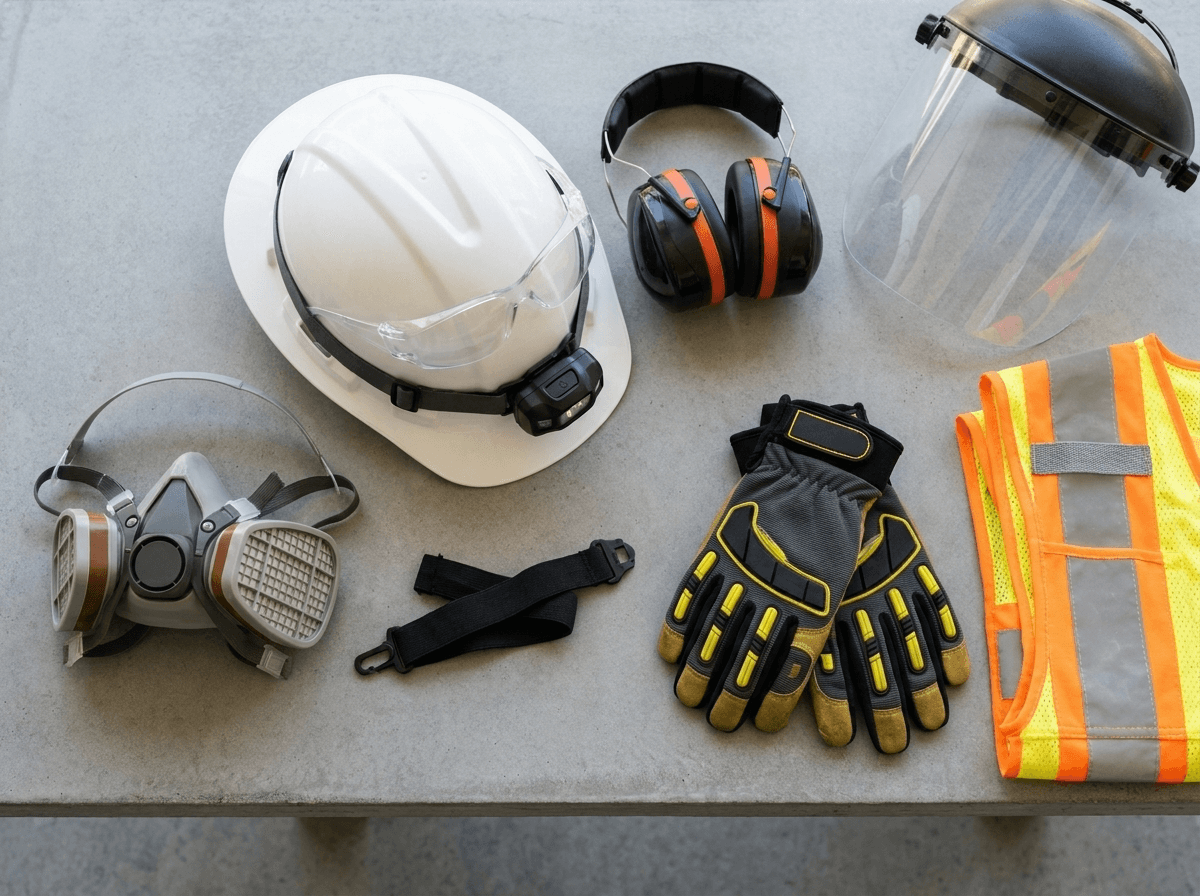
Check compatibility with:
- safety glasses and goggles
- face shields for grinding, chipping, or concrete cutting
- helmet-mounted earmuffs
- respirators and half-face masks
- welding helmets and hot-work face protection
- fall protection harnesses and lanyards
- high-visibility jackets and hoods
- headlamps and communication devices
- winter liners, sun shades, and neck protection
Common problems include earmuffs that do not seal, chin straps that interfere with respirator fit, face shields that do not mount correctly, accessories that void the manufacturer's instructions, and hoods or liners that change the helmet fit.
For a complete site structure, connect this decision back to the construction PPE checklist and the bulk construction PPE procurement guide.
Buying Specification: Better Than "Safety Helmet"
A weak purchase order says:
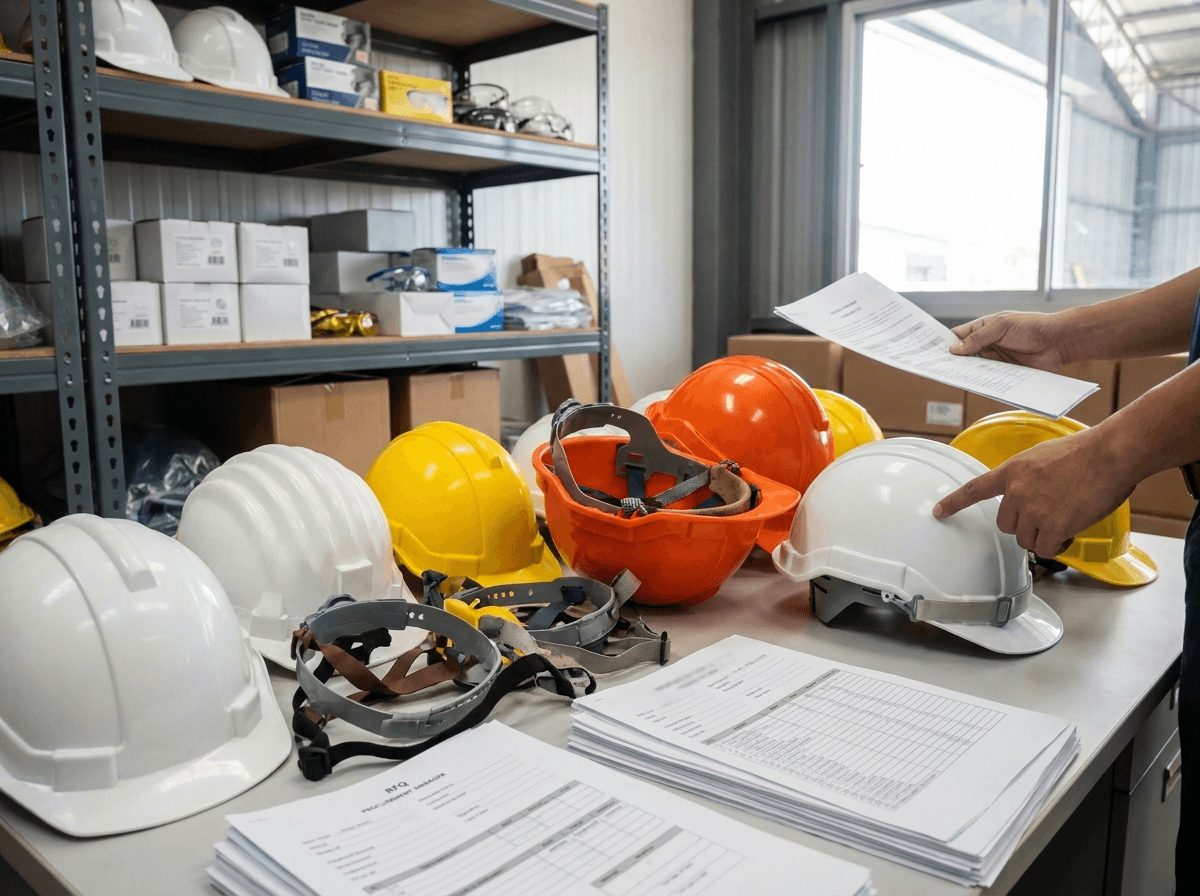
Safety helmet for construction workers.
A stronger specification says:
Construction head protection meeting ANSI/ISEA Z89.1, Type II, Class E where electrical exposure is possible, with manufacturer-approved 4-point chin strap, compatible eye/face/hearing accessories, replacement suspension availability, size range suitable for the workforce, and documentation supplied before shipment.
Your final RFQ should define:
- standard and edition where required
- Type I or Type II
- Class G, E, or C
- chin strap requirement
- cap style, full brim, or helmet style
- vented or non-vented shell
- compatible eyewear, earmuff, face shield, and headlamp accessories
- color rules by role or site policy
- size range and adjustability
- replacement suspension and strap availability
- inspection and replacement guidance
- packaging by crew, role, project, or size
- documentation, label photos, and certificates
For bulk buying, do not switch the whole site overnight without fit trials. Test the helmet with real workers, real eyewear, real earmuffs, real respirators, real harnesses, and real weather layers.
For a supplier-ready format, use the Construction PPE RFQ Template and add separate head-protection lines for general site hard hats, Type II safety helmets, electrical crew helmets, visitor stock, and replacement parts.
Upgrade Path For Contractors And Bulk Buyers
If you are moving from traditional hard hats to safety helmets, avoid a rushed one-model rollout.
Use this sequence:
- Identify high-risk roles first: scaffolders, steel crews, bridge crews, roofers, demolition, climbers, and workers near side-impact exposure.
- Define required Type and Class by role.
- Run fit and accessory compatibility trials.
- Check heat, weight, chin strap comfort, and worker acceptance.
- Update the written PPE policy and site induction.
- Train workers on fit, adjustment, inspection, cleaning, and storage.
- Keep replacement suspensions, chin straps, and accessories in stock.
- Phase in by crew instead of mixing uncontrolled models.
- Lock approved SKUs, allowed substitutions, label photos, and reorder rules before the bulk purchase.
- Add replacement stock for suspensions, sweatbands, chin straps, and damaged helmets.
The upgrade should improve control, not create confusion. If half the site wears a helmet incorrectly and the other half keeps a damaged hard hat, the program has not improved.
For contractor purchasing, connect the helmet rollout to the contractor PPE kit checklist, the bulk construction PPE procurement guide, and the PPE Size & Standards Planning Sheet.
Common Mistakes
Treating every helmet-style product as better
The product still needs the right standard, type, class, fit, and accessory compatibility.
Ignoring electrical class
A vented Class C helmet may be comfortable, but it is not suitable where electrical protection is required.
Buying chin straps that do not match the helmet
Use manufacturer-approved parts. Improvised retention can create fit, performance, and liability problems.
Forgetting side-impact risk
Type I top-impact protection may not be enough for scaffolding, steel work, demolition, bridge work, or congested structures.
Rolling out one model for every role
Road crews, electricians, scaffolders, demolition workers, inspectors, and general laborers may need different head protection.
Not checking accessory fit
Helmet-mounted earmuffs, face shields, goggles, respirators, headlamps, liners, and communication devices must work as a system.
Related Construction PPE Guides
- Types of hard hats for construction
- Type 1 vs Type 2 hard hats
- Class E vs Class G vs Class C hard hats
- Vented vs non-vented hard hats for construction
- Full brim vs cap style hard hats for construction
- Hard hat color codes on construction sites
- Complete PPE solution for construction sites
- PPE for scaffolding and elevated platforms
- PPE for road and bridge construction projects
- Fall protection PPE for construction sites
- Construction PPE checklist
- How to buy construction PPE in bulk
- High-visibility clothing for construction workers
FAQ
Are safety helmets required instead of hard hats in construction?
Not universally. OSHA requires suitable head protection where head injury hazards exist. A compliant traditional hard hat may be enough for some tasks. A safety helmet or Type II head protection with retention may be a better choice for height work, side-impact exposure, climbing, scaffolding, steel work, demolition, and other higher-risk tasks.
Is a safety helmet the same as a Type II hard hat?
Not always. "Safety helmet" is often used to describe a helmet-style product, while Type II is a tested impact designation under ANSI/ISEA Z89.1. Always check the product marking and documentation.
Do construction safety helmets need chin straps?
Chin straps are commonly used when retention matters, such as climbing, scaffolding, work at height, wind, and fall exposure. Use manufacturer-approved chin straps and check compatibility with other PPE.
Can electricians wear vented safety helmets?
Only if the electrical exposure allows it. Vented Class C products do not provide the same electrical protection as Class E head protection. Electrical work needs a specific hazard review before selecting a vented model.
Should every worker switch to a safety helmet?
Not automatically. Start with the highest-risk roles, run fit and compatibility trials, then standardize by task and exposure. Some low-risk general site roles may still be adequately served by traditional hard hats that meet the correct standard and class.
What should be included in a helmet upgrade RFQ?
Include ANSI/ISEA Z89.1 type and class, chin strap requirement, accessory compatibility, size range, color rules, replacement parts, inspection guidance, certificates, label photos, packaging requirements, and stable reorder SKUs.
Sources
- OSHA 29 CFR 1926.100, Head Protection
- OSHA Safety and Health Information Bulletin: Head Protection - Safety Helmets in the Workplace
- OSHA announcement on switching from traditional hard hats to safety helmets
- NIOSH Science Bulletin: Construction Helmets and Work-related Traumatic Brain Injury
- ANSI/ISEA Z89.1 industrial head protection standard listing
Related PPE
Source the PPE covered in this guide
Move from research to a buyer shortlist with the matching solution page, category paths, selected PPE options, and RFQ next steps.