
Buyer next step
Turn this guide into a sourced PPE shortlist with standards, quantities, and role-based kit notes.
Planning tools
Use these tools before moving from this guide into quantities, sizing, labels, or RFQ planning.
Construction hard hat types should be selected by hazard, not by color or habit. A general site crew, electrical crew, scaffolding crew, demolition crew, road crew, and visitor group may all need different head protection choices.
This guide explains construction hard hat classes, shell styles, task selection, fit, accessory compatibility, inspection, replacement, and bulk purchasing. It is written for safety managers, site supervisors, contractors, and PPE buyers who need a practical selection framework rather than a product catalog.
Use this article for the broader head protection category. If the buyer's exact question is Type 1 vs Type 2, use the Type 1 vs Type 2 hard hats buyer guide. If the buyer needs the electrical rating decision, use the Class E vs Class G vs Class C hard hats guide. If the open question is shell ventilation, use the vented vs non-vented hard hats guide. If the open question is brim shape, use the full brim vs cap style hard hats guide. If the open question is role color, visitor stock, or helmet identification, use the hard hat color codes guide. If the question is whether to keep traditional hard hats or upgrade to helmet-style head protection, use the safety helmet vs hard hat comparison guide. For the full construction PPE system, start with the Complete PPE solution for construction sites. For compliance across all categories, use the OSHA PPE requirements for construction guide. For daily field checks, use the construction PPE checklist. For purchasing workflows, use the bulk construction PPE procurement guide.
Quick Answer: Construction Hard Hat Types And Classes
For construction, choose the hard hat type by impact direction, the hard hat class by electrical exposure, and the shell style by task, climate, accessories, and worker fit. Do not use "hard hat," "safety helmet," "Class G," "Class E," and "Class C" as interchangeable labels.
| Buyer question | Short answer | RFQ note |
|---|---|---|
| Which hard hat class should I buy? | Class G and Class E provide electrical protection levels. Class C does not provide electrical protection. | Specify electrical class separately from shell style. |
| Which shell style fits construction? | Cap-style, full-brim, vented, non-vented, and helmet-style products solve different jobsite needs. | Test the shell with the rest of the PPE kit. |
| When do Type I and Type II matter? | Type I is mainly top impact. Type II adds lateral impact protection. | Use the dedicated Type 1 vs Type 2 guide for this decision. |
| When is Class C risky? | Class C is risky where electrical shock or burn exposure is credible. | Keep Class C out of electrical work zones. |
| What belongs in a bulk order? | Shells, suspensions, chin straps where needed, accessories, replacement parts, label documentation, and sample trials. | Do not buy only by color and unit price. |
Use the Construction PPE RFQ Template to ask suppliers for hard hat type, electrical class, shell style, chin strap, suspension size range, accessory compatibility, replacement parts, and compliance documents in one request.
Why Hard Hat Type Selection Matters
Hard hats are often treated as a default item: one color, one shell shape, one suspension, one order quantity. That approach is risky because construction head hazards are not all the same.
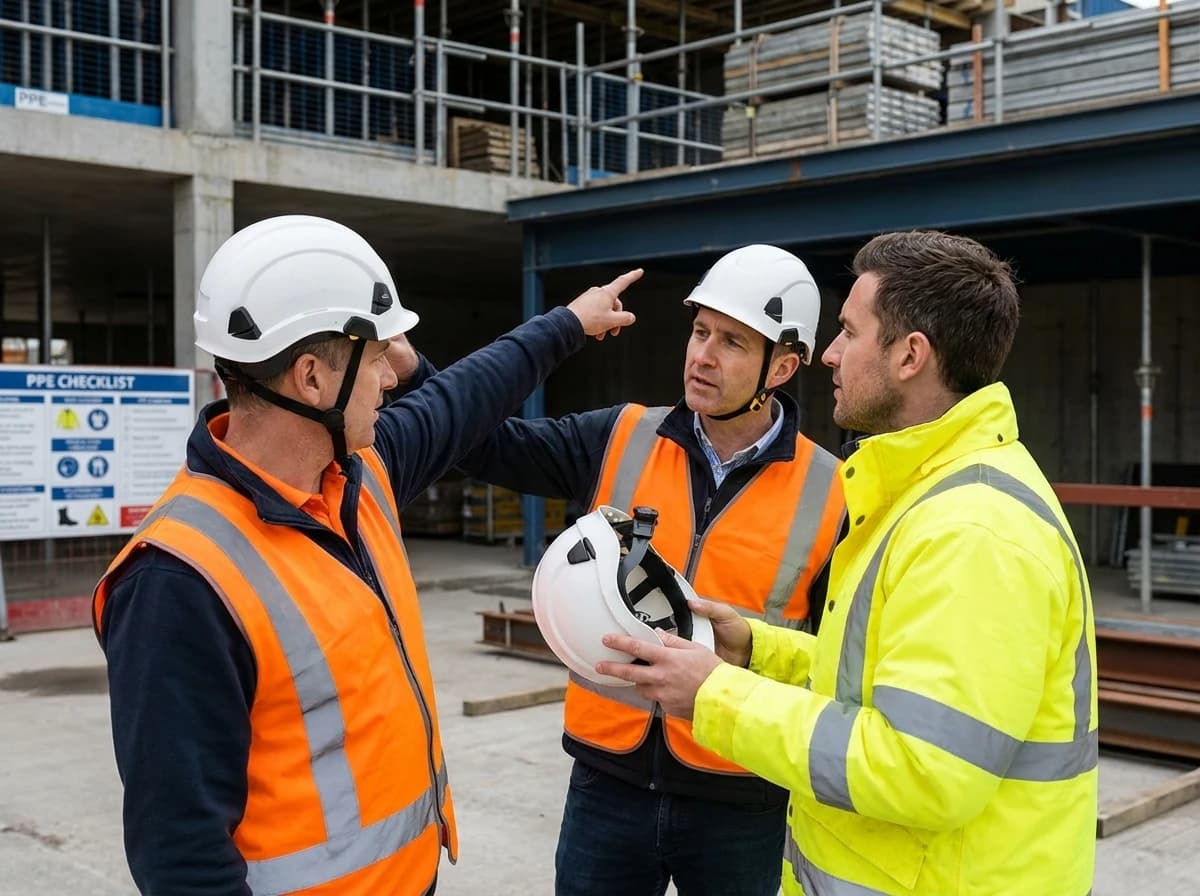
Common construction head protection exposures include:
- falling tools, fasteners, and materials
- flying fragments from cutting, chipping, grinding, and demolition
- side impact from moving equipment, scaffolding, steel, or fixed structures
- bumping the head against low beams, formwork, pipes, and machinery
- contact with energized conductors or overhead power lines
- heat, rain, wind, UV exposure, and long outdoor wear
- accessory conflicts with eye protection, hearing protection, face shields, respirators, and lights
A hard hat that is acceptable for one crew may be wrong for another. For example, a vented Class C hard hat may be comfortable for a general laborer in hot weather, but it is not the right choice for electrical exposure. A cap-style Type I hard hat may protect against top impact, but it may not address side impact risk for a worker climbing through scaffold frames or working near steel members.
Head protection is also visible. Damaged shells, missing suspension, reversed headbands, loose fit, and incompatible accessories are easy for supervisors and inspectors to spot. A stronger program starts by selecting the correct hard hat type before the site tries to enforce wearing it.
What OSHA Requires For Construction Head Protection
OSHA's construction head protection rule is 29 CFR 1926.100. The core requirement is straightforward: employees working where there is a possible danger of head injury from impact, falling or flying objects, electrical shock, or burns must be protected by protective helmets.

For construction, OSHA recognizes head protection that meets the specifications in certain editions of ANSI Z89.1, including ANSI Z89.1-2009, ANSI Z89.1-2003, and ANSI Z89.1-1997. OSHA also allows head protection that the employer can demonstrate is at least as effective as head protection meeting one of those listed consensus standards.
For electrical exposure, OSHA adds another layer. When workers are exposed to high-voltage electric shock and burns, the employer must ensure the head protection also meets the electrical insulation specifications of the applicable consensus standard.
In practice, that means construction buyers should not order hard hats based only on color, price, or shell style. The purchasing specification should clearly identify:
- applicable standard, usually ANSI/ISEA Z89.1 for US construction head protection
- Type I or Type II impact protection
- Class G, Class E, or Class C electrical rating
- vented or non-vented shell
- brim style and accessory requirements
- suspension type and size range
- chin strap or retention requirements where needed
- replacement shell and suspension availability
The OSHA rule does not say that every construction worker needs the same hard hat. It says the head protection must match the hazard. That is the decision the buyer has to make.
Hard Hat Types: Type I Vs Type II
The most important impact distinction in ANSI/ISEA head protection is Type I versus Type II.
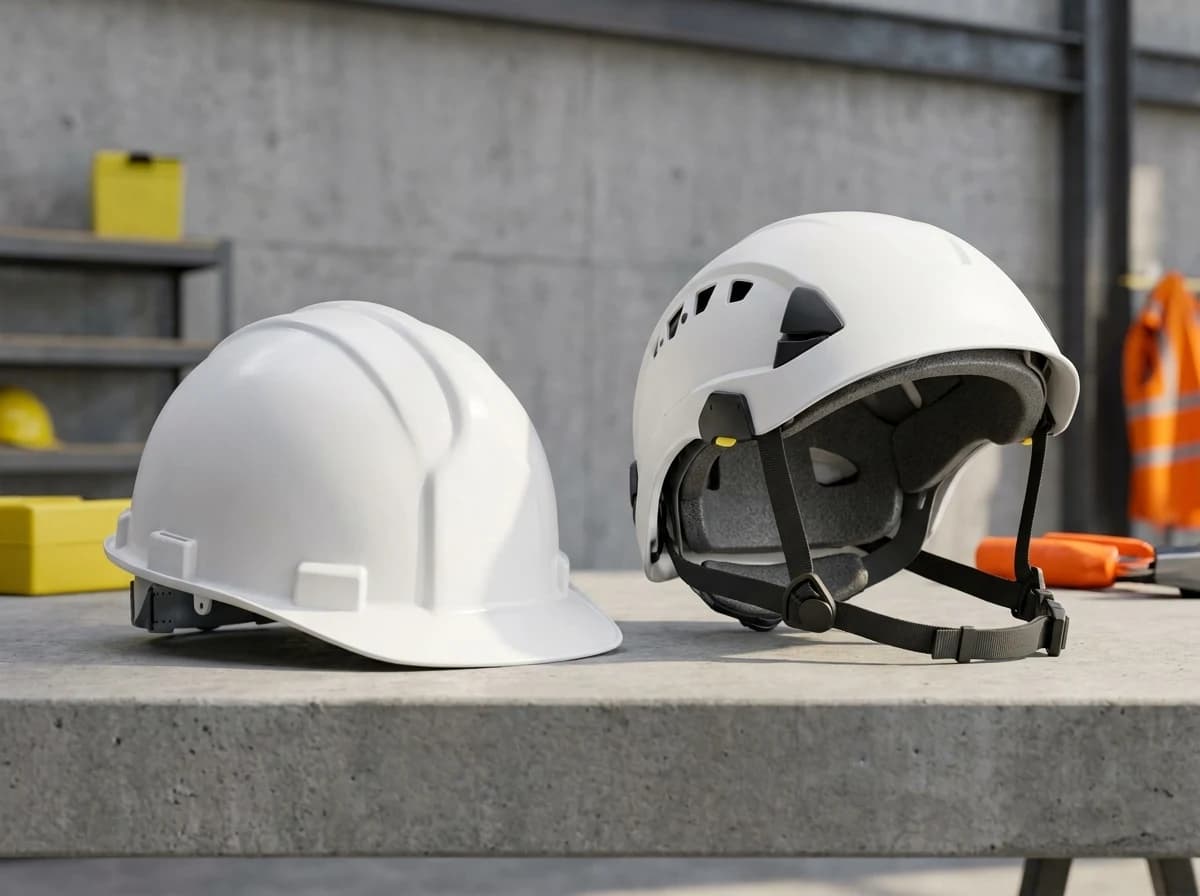
| ANSI type | Main protection focus | Typical construction use | Main limitation |
|---|---|---|---|
| Type I | Top impact | General construction, material handling, work below overhead hazards | Does not provide the same side-impact protection as Type II |
| Type II | Top and lateral impact | Scaffolding, steel erection, demolition, work near moving equipment, climbing, confined or congested structures | Usually heavier, more expensive, and may need more careful fit and accessory planning |
Type I hard hats
Type I hard hats are designed mainly for impact to the top of the head. They are common on general construction sites because many struck-by hazards come from above: dropped tools, falling materials, overhead work, or objects dislodged from elevated areas.
Type I is often suitable for:
- general site access
- material handling
- basic building construction
- work below overhead crews
- routine inspection and supervision
- visitors in controlled areas
The weakness is lateral exposure. If a worker is likely to hit the side of the head against steel, scaffolding, machinery, formwork, or moving equipment, Type I may not be the best specification.
Type II hard hats and safety helmets
Type II head protection is designed for both top and side impact. Many modern safety helmets used in construction are Type II, especially models with internal foam liners, chin straps, and lower-profile shell designs.
Type II is worth considering for:
- steel erection
- scaffolding and elevated platform work
- demolition and renovation
- tower, utility, and rope-access tasks
- roofing where wind and movement create retention issues
- work around cranes, lifts, and moving plant
- confined or congested structural areas
- sites with frequent lateral bump or side-impact risk
Type II does not automatically replace every Type I hard hat. It costs more and may need different accessory systems. But for higher-mobility work and side-impact exposure, it gives the buyer a more defensible specification.
Hard Hat Electrical Classes: Class G, E, And C
Electrical class is the second major hard hat decision. ANSI/ISEA hard hats are commonly grouped into Class G, Class E, and Class C.
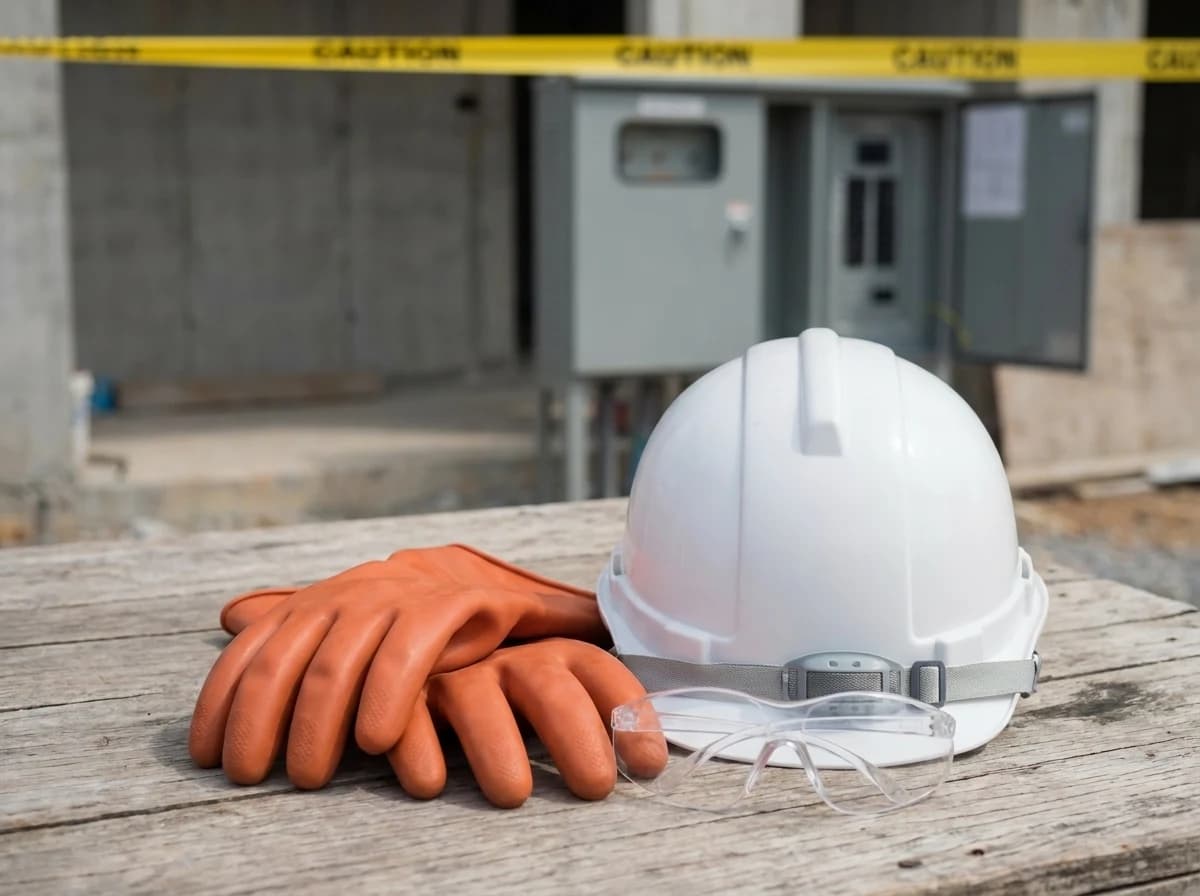
| Electrical class | Common meaning | Practical construction use | Buying caution |
|---|---|---|---|
| Class G | General electrical protection, tested to reduce exposure to low-voltage conductors | General construction where limited electrical exposure may exist | Not a substitute for electrical work planning |
| Class E | Electrical protection for higher voltage exposure | Electrical work, utility work, work near energized equipment or overhead power lines | Usually non-vented; check accessory compatibility |
| Class C | Conductive or no electrical protection | Hot environments where ventilation is useful and electrical exposure is not present | Do not use where electrical shock or burns are a credible hazard |
Class G hard hats
Class G hard hats are general-purpose electrical-rated helmets. They are often used for ordinary construction work where some incidental electrical exposure may exist but the crew is not performing higher-risk electrical tasks.
Class G can be a reasonable baseline for many construction sites, but it should not be treated as a complete electrical PPE solution. If workers are working on or near energized electrical systems, the site needs a specific electrical hazard review.
Class E hard hats
Class E hard hats provide the highest electrical insulation class in the common hard hat categories. They are typically selected for electricians, utility workers, and construction crews working around overhead lines or energized equipment.
Class E models are usually non-vented because vents can compromise electrical insulation. That matters for comfort. In hot environments, buyers sometimes want vented helmets, but if electrical exposure is present, comfort cannot override the required protection class.
Class C hard hats
Class C hard hats do not provide electrical protection. They may be vented and comfortable, but they should only be used where electrical hazards are not part of the exposure.
Class C is commonly considered for:
- hot-weather outdoor work without electrical exposure
- roadwork away from energized electrical hazards
- general labor where ventilation is important and electrical contact is controlled
- non-electrical industrial maintenance tasks
The mistake is buying Class C because it is comfortable and then using it across a mixed site where some workers may face electrical exposure. If the site has overhead power lines, temporary electrical systems, energized panels, or electrical installation work, Class C should not be the default.
Vented, Non-Vented, Full-Brim, Cap-Style, And Climbing-Style Helmets
After Type and Class, the shell style matters. It affects comfort, visibility, accessory fit, water runoff, sun coverage, and worker acceptance.
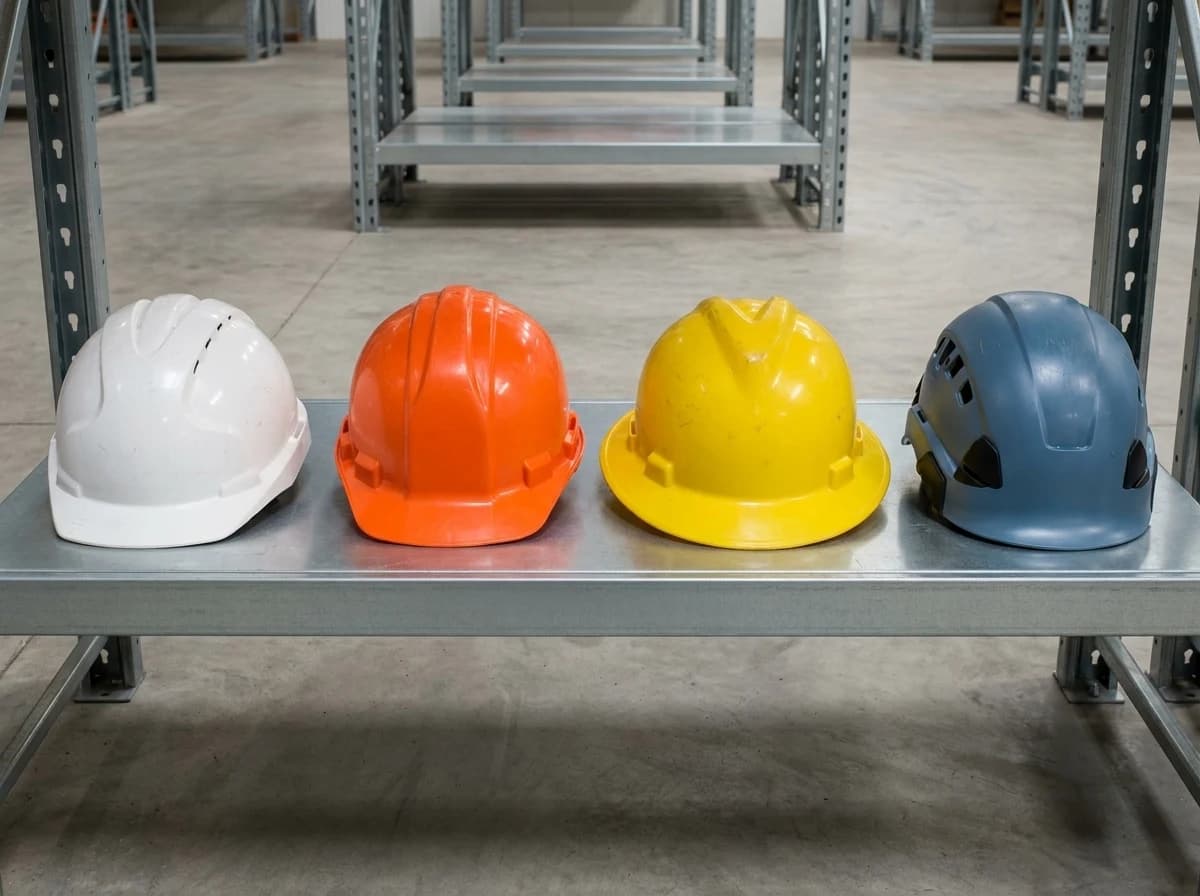
For a deeper shell ventilation decision, use the vented vs non-vented hard hats for construction guide. That page focuses on Class C ventilation, non-vented Class E/G options, heat comfort, RFQ wording, and inventory controls.
For a focused brim-shape decision, use the full brim vs cap style hard hats guide. That page separates weather coverage, accessory compatibility, electrical class, RFQ wording, and bulk issue planning.
Cap-style hard hats
Cap-style hard hats have a front brim and are the most familiar construction shape. They are common because they work with many face shields, earmuffs, lights, and standard accessories.
They are usually a good baseline for:
- general construction
- supervision and site access
- material handling
- basic trade work
- warehouse and yard operations connected to construction
Full-brim hard hats
Full-brim hard hats extend around the full shell. They can help with sun, rain runoff, and falling debris from different directions. They are common in outdoor work, roadwork, utilities, and sites where weather exposure is part of the day.
The tradeoff is accessory compatibility. Some full-brim shells may not work with the same earmuffs, face shields, or mounted accessories as cap-style hard hats.
Vented hard hats
Vented hard hats improve airflow and comfort. That can matter because uncomfortable PPE is often worn incorrectly or removed. In hot weather, a vented helmet may improve compliance for crews that are not exposed to electrical hazards.
Do not choose vented hard hats where Class E electrical protection is required. Also check whether the vents create issues for dust, rain, molten splash, or overhead debris exposure.
Non-vented hard hats
Non-vented hard hats are used where electrical protection or broader shell coverage is needed. They may be hotter, but they are often necessary for Class E or Class G specifications.
Climbing-style construction safety helmets
Many modern construction safety helmets borrow features from climbing and industrial rope-access helmets: lower profile, chin strap, foam liner, and stronger retention. Some are Type II rated and designed to stay on during falls, climbing, elevated work, or high-mobility tasks.
They are useful where the worker moves through complex structures or works at height. However, the buyer still has to confirm the exact standard, Type, Class, accessory compatibility, and intended use. A climbing-style shell is not automatically correct for every construction task.
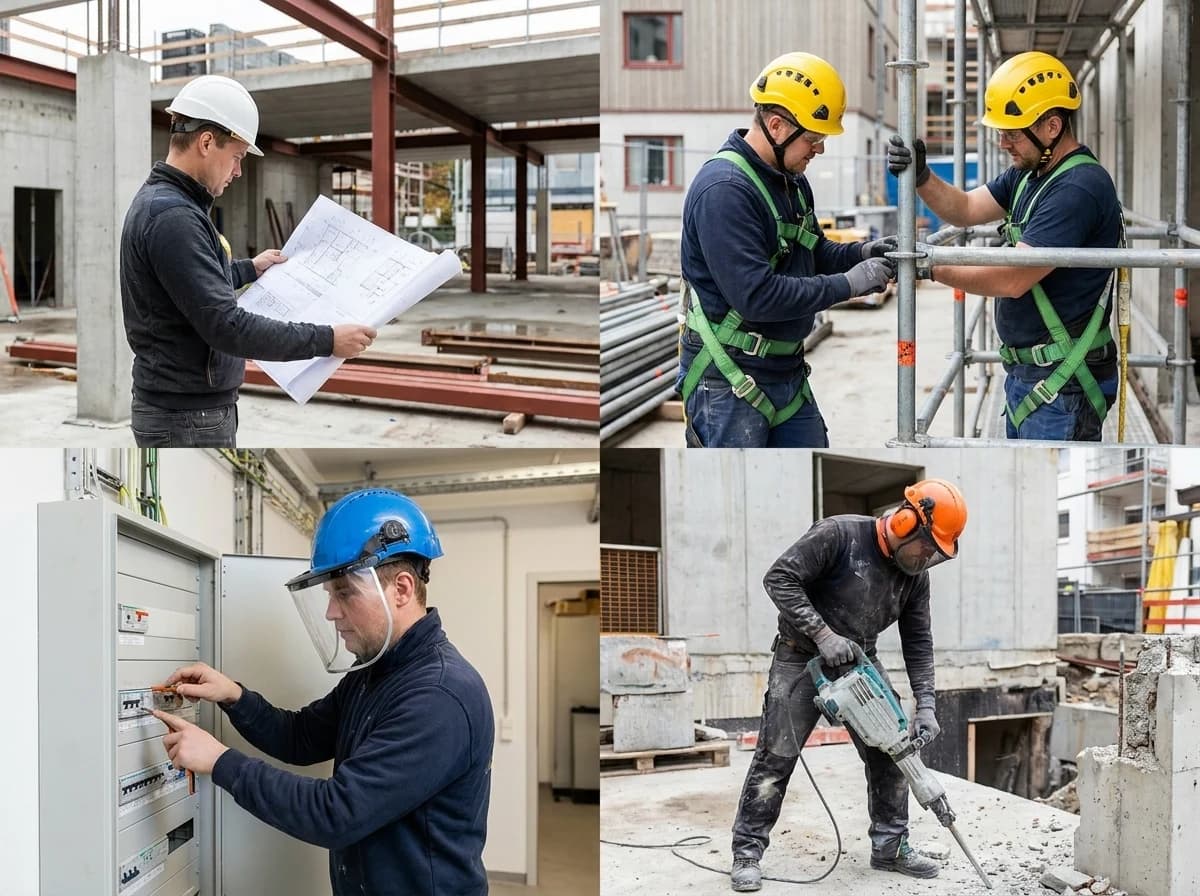
How To Choose Hard Hats By Construction Task
The best hard hat choice depends on the work. The table below gives a practical starting point, not a substitute for a site hazard assessment.
| Construction task | Head protection priority | Practical buying direction |
|---|---|---|
| General site access | falling object and overhead impact | Type I or Type II, often Class G baseline |
| Electrical installation | electrical shock and burns | Class E, non-vented, compatible with face and eye PPE |
| Utility and overhead line work | higher electrical exposure and retention | Class E, strong retention, task-specific electrical PPE review |
| Scaffolding | side impact, climbing, retention | Type II or helmet with retention where exposure supports it |
| Steel erection | side impact, dropped-object exposure, fall exposure | Type II, chin strap where needed, compatible with hearing and eye PPE |
| Demolition | falling debris, side impact, dust and eye hazards | Type II where side impact is likely, full PPE compatibility check |
| Road and bridge work | traffic visibility, weather, overhead work | hard hat plus hi-vis system; venting only if electrical exposure is absent |
| Concrete and masonry | debris, dust, overhead work | hard hat compatible with goggles, face shield, hearing PPE, and respirator |
| Roofing | retention, wind, fall exposure | helmet or hard hat with suitable retention where the hazard assessment supports it |
| Welding and hot work | helmet compatibility, sparks, face protection | hard hat or welding headgear system matched to the welding PPE setup |
This is also where internal linking matters in a PPE program. Head protection rarely works alone. A concrete cutting crew may need hard hats, sealed eye protection, hearing protection, gloves, boots, and respirators. A scaffolding crew may need head protection that works with fall protection and ladder grip footwear. An electrical crew may need Class E head protection plus insulating gloves, EH footwear, face protection, and arc-related clothing.
For the full site structure, use the Complete PPE solution for construction sites. For high-noise tool work, use the construction hearing protection guide. For dust-heavy cutting and demolition, use the construction respiratory protection guide. For eye and face compatibility, use the construction eye and face protection guide.
Compatibility With Other Construction PPE
A hard hat that passes the standard can still fail the work if it does not fit with the rest of the PPE system.
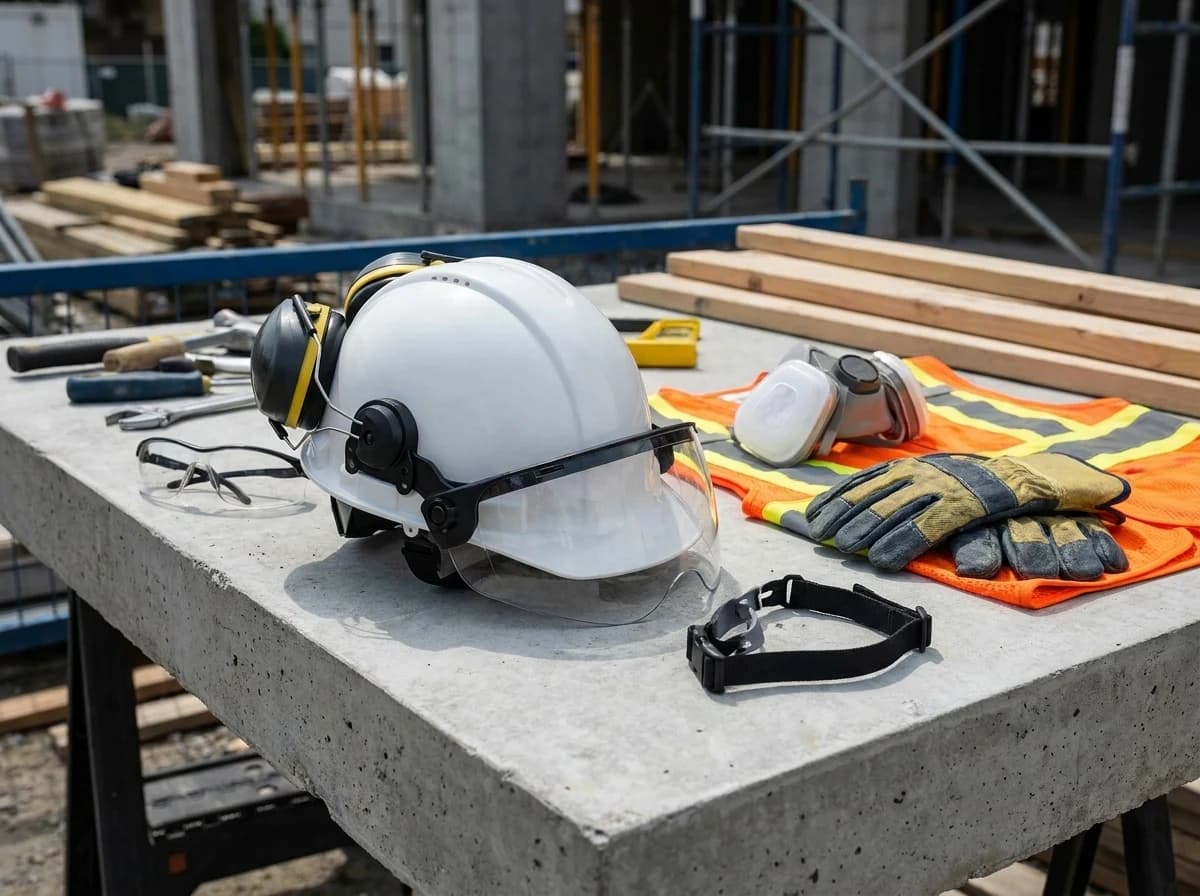
Common compatibility issues include:
- earmuffs that do not attach to the helmet slot or fail to seal correctly
- face shields that do not mount to the selected shell or brim style
- goggles that hit the brim, suspension, or respirator straps
- welding hoods that conflict with hard hat adapters
- respirator straps that interfere with suspension fit
- headlamps or mounted accessories that are not approved for the shell
- chin straps that interfere with respirator or fall protection gear
- hoodies, caps, or liners worn under the hard hat in a way that affects fit
Compatibility should be checked before a bulk purchase. This is especially important for:
- helmet-mounted earmuffs
- face shields
- welding adapters
- winter liners
- sun shades and neck shades
- headlamps
- chin straps
- communication headsets
The safest purchasing process is to test the full PPE combination, not each item separately. A helmet, goggles, respirator, earmuffs, gloves, and harness may all be acceptable products by themselves, but the worker wears them as one system.
For hearing protection compatibility, see the construction hearing protection guide. For goggles, face shields, and welding eye protection, see the construction eye and face protection guide.
Fit, Inspection, Replacement, And Bulk Purchasing
Hard hat buying is not finished when the order arrives. Fit, inspection, replacement, and spare parts decide whether the head protection program stays usable.

Fit checks
A hard hat should sit securely without tilting, sliding, or forcing the worker to overtighten the suspension. The suspension should be adjusted to the worker's head and worn in the intended direction unless the manufacturer specifically allows reverse wearing.
Check:
- suspension adjustment range
- shell stability when the worker bends, climbs, or looks up
- comfort during a full shift
- compatibility with safety glasses and hearing protection
- whether a chin strap is needed for elevated or high-movement work
- whether the model fits different head sizes in the workforce
OSHA's 2025 proper-fit rule for construction PPE makes fit more than a comfort issue. PPE has to fit properly to protect the employee. Hard hats are part of that conversation because poor fit can make the helmet unstable or reduce worker compliance.
Daily inspection
Supervisors and workers should inspect hard hats for:
- cracks, dents, penetration marks, deformation, or brittle shell material
- UV damage, chalking, fading, or surface degradation
- damaged, dirty, missing, or improvised suspension parts
- broken adjustment mechanisms
- unauthorized drilling, stickers, paint, or chemical exposure where manufacturer instructions do not allow it
- missing labels or unreadable date information where required for tracking
- accessories that are loose, damaged, or incompatible
Any hard hat that has taken a significant impact should be removed from service, even if the damage is not obvious. The protective structure may be compromised.
Replacement planning
Manufacturers set service life guidance, and site conditions can shorten it. Outdoor UV exposure, heat, chemicals, impacts, and rough handling can all reduce useful life.
For bulk procurement, track:
- shell manufacture date
- issue date
- expected shell replacement interval
- suspension replacement interval
- spare suspension stock
- color coding by role or site zone
- visitor helmet stock
- damaged item replacement process
- accessory replacement parts
Do not buy only the shell. Buy the replacement parts and accessory ecosystem that keeps the head protection program running.
Common Hard Hat Buying Mistakes
Buying one model for every worker
One hard hat may not match every construction task. Electrical work, scaffolding, demolition, welding, roadwork, and general site access often require different specifications or accessories.
Choosing Class C for comfort without checking electrical exposure
Ventilation helps, but Class C head protection does not provide electrical protection. If electrical shock or burns are credible hazards, the buyer needs Class G or Class E as appropriate.
Ignoring Type II when side impact risk is obvious
Side impact is common in scaffolding, steel, demolition, low-clearance work, and congested structures. If the hazard is lateral, a top-impact-only mindset is too narrow.
Treating accessories as universal
Helmet-mounted earmuffs, face shields, welding adapters, lights, and chin straps are not universal. They must be compatible with the selected shell and the manufacturer's instructions.
Not buying enough sizes, suspensions, or replacements
Hard hats are often ordered by shell quantity only. A better order includes replacement suspensions, accessory stock, and a plan for lost, damaged, contaminated, or expired units.
Letting damaged hard hats stay in service
Cracked shells, brittle plastic, punctures, damaged suspension, and impact history should remove a hard hat from service. A damaged hard hat is not a minor cosmetic issue.
Construction Hard Hat Selection Checklist
Use this short checklist before placing a bulk order:
- What head hazards are present: top impact, side impact, electrical, heat, weather, or accessory conflict?
- Does the product meet ANSI/ISEA Z89.1 or the relevant local standard?
- Is Type I enough, or does the work justify Type II?
- Is Class G, Class E, or Class C appropriate for the electrical exposure?
- Should the shell be vented or non-vented?
- Is cap-style, full-brim, or safety-helmet style the best fit for the task?
- Does the selected model work with earmuffs, face shields, goggles, respirators, and lights?
- Does the site need chin straps or retention systems?
- Are multiple sizes or suspension ranges needed?
- Are spare suspensions, replacement shells, and accessories included in the procurement plan?
- Is there a written inspection and replacement routine?
- Is the product suitable for the climate, work duration, and worker acceptance needs?
This checklist should sit inside the broader construction PPE checklist, not replace it.
FAQ
What are the main types of hard hats for construction?
The main construction hard hat types are usually described by ANSI impact type and electrical class. Type I protects mainly against top impact. Type II protects against top and lateral impact. Class G, Class E, and Class C describe electrical protection level.
What is the difference between Type 1 and Type 2 hard hats?
Type 1 hard hats are designed mainly for impact to the top of the head. Type 2 hard hats are designed for both top and lateral impact. In construction, Type 2 is often considered for scaffolding, steel erection, demolition, climbing, low-clearance structures, and equipment zones.
What are hard hat classes?
Hard hat classes describe electrical protection. Class G provides general electrical protection, Class E provides higher electrical protection, and Class C provides no electrical protection. The class does not tell you whether the hard hat is Type 1 or Type 2.
What is a Type 1 Class C hard hat?
A Type 1 Class C hard hat is a top-impact hard hat without electrical protection. It may be vented and comfortable for hot non-electrical work, but it should not be used where electrical shock or burn exposure is credible.
What is a Type 1 Class G hard hat?
A Type 1 Class G hard hat is a top-impact hard hat with general electrical protection. It can be a practical baseline for some general construction crews, but buyers still need to check whether side impact, higher electrical exposure, or helmet retention requires a different specification.
What is the difference between Type I and Type II hard hats?
Type I hard hats are designed mainly for top impact. Type II hard hats are designed for both top and side impact. Type II is often considered for scaffolding, steel erection, demolition, climbing, and work near moving equipment or fixed structures.
What is a Class E hard hat?
A Class E hard hat is an electrical-rated hard hat selected where higher electrical exposure may exist. It is commonly used for electrical, utility, and work near energized equipment or overhead power lines. Buyers should confirm the exact standard marking and suitability for the task.
Are vented hard hats allowed on construction sites?
Vented hard hats may be suitable where ventilation is useful and electrical exposure is not present. They should not be selected where the work requires electrical insulation that the vented shell does not provide.
How often should construction hard hats be replaced?
Follow the manufacturer's service life guidance and remove any hard hat from service after significant impact, visible damage, UV degradation, chemical exposure, or suspension failure. Many programs also track shell and suspension replacement separately.
Can workers wear hats or hoodies under a hard hat?
Only use liners, caps, or cold-weather accessories that are compatible with the hard hat and allowed by the manufacturer. Bulky clothing under the shell can affect suspension, fit, and stability.
Related Guides On Laifappe.com
- Complete PPE solution for construction sites
- Type 1 vs Type 2 hard hats buyer guide
- Class E vs Class G vs Class C hard hats
- Fiberglass vs ABS vs HDPE safety helmet materials
- Vented vs non-vented hard hats for construction
- Full brim vs cap style hard hats for construction
- Hard hat color codes on construction sites
- Safety helmet vs hard hat for construction
- OSHA PPE requirements for construction
- Construction PPE checklist
- How to buy construction PPE in bulk
- Hearing protection for construction workers
- Eye and face protection for construction sites
- Respiratory protection for construction dust and fumes
Build Head Protection Into The Full PPE System
Construction hard hats are not just a line item. They are part of a system that includes impact protection, electrical protection, worker fit, daily inspection, accessory compatibility, and replacement planning.
Start with the hazard. Choose Type I or Type II based on impact direction. Choose Class G, E, or C based on electrical exposure. Then test the helmet with the rest of the worker's PPE: eye protection, hearing protection, respirators, face shields, gloves, fall protection, and high-visibility clothing.
For broader site planning, use the Complete PPE solution for construction sites. For field execution, use the construction PPE checklist. For procurement, use the bulk construction PPE purchasing guide.
Sources: OSHA 29 CFR 1926.100 Head Protection; OSHA Personal Protective Equipment Construction standards page; OSHA Safety and Health Information Bulletin: Head Protection, Safety Helmets in the Workplace; OSHA 29 CFR 1926 Subpart E; ANSI/ISEA Z89.1 industrial head protection classifications as referenced by OSHA.
Related PPE
Source the PPE covered in this guide
Move from research to a buyer shortlist with the matching solution page, category paths, selected PPE options, and RFQ next steps.