


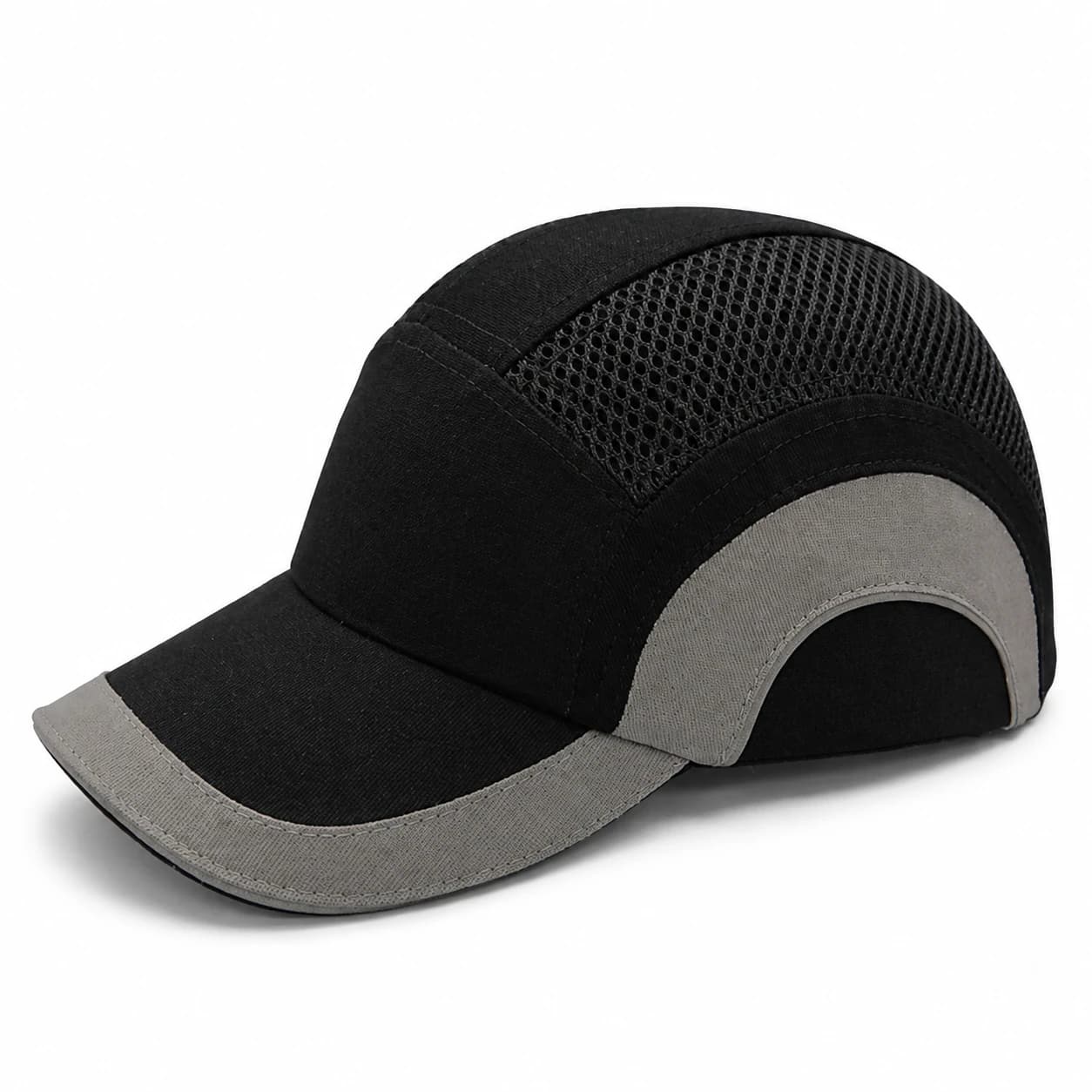
Standards
CE, EN, ANSI/ISEA and buyer-specific standard checks can be mapped before quoting.

A complete construction PPE guide for site managers, safety officers, and procurement teams covering OSHA requirements, CE and EN standards, core hazard controls, and bulk sourcing decisions.
Construction remains one of the highest-risk private industries in the United States. The right PPE does not remove every hazard on site, but it is the last critical barrier between a worker and a life-changing injury when engineering controls, planning, and supervision are not enough. This pillar guide gives site managers, safety officers, and procurement teams one reference point for hazard mapping, OSHA compliance, EN and CE alignment, and category-by-category PPE selection.
The Fatal Four hazards - falls, struck-by incidents, caught-in or between incidents, and electrocution - still dominate construction injuries and deaths. Respiratory dust, long-term noise exposure, chemical contact, and weather-driven slip hazards add another layer of daily risk that PPE programs have to address.
Use this page as the top-level construction PPE reference, then branch into the related sub-trade solution pages and category pages linked below when a project needs more trade-specific detail.
Use these pages when a buyer needs the whole construction PPE path before narrowing by role or hazard.
Use these pages when the buyer needs OSHA, fit, training, hazard assessment, and inspection logic.
Use these pages and templates when the buyer is moving from specification to RFQ, sizes, and repeat ordering.
Use these pages when falls, scaffolds, helmet retention, dropped tools, or elevated platforms control the PPE mix.
Use these pages when traffic, dust, noise, night work, weather, heat, or impact exposure drives product selection.
Use these pages when the buyer needs trade, operator, or task-specific kit logic.
| Hazard | Why it matters | Primary PPE response |
|---|---|---|
| Falls from roofs, edges, ladders, and scaffolds | Falls remain the leading cause of construction fatalities and serious injuries. | Full body harness, lanyard or SRL, helmet with chin strap, anti-slip footwear |
| Struck-by tools, loads, vehicles, and moving plant | Flying or falling objects and site traffic create constant impact exposure. | Hard hats, high-visibility garments, safety glasses, protective footwear |
| Caught-in or between hazards | Workers can be pinned by machinery, walls, trenches, or shifting materials. | Close-fitting workwear, gloves matched to the task, reinforced footwear |
| Electrocution and arc exposure | Overhead lines, temporary wiring, and energized equipment create lethal contact risk. | Class E helmets, insulating gloves, dielectric boots, arc-rated clothing |
| Silica dust, demolition dust, fumes, and vapors | Concrete cutting, drilling, welding, and coatings expose workers to harmful airborne contaminants. | Respirator selected from the contaminant, engineering controls, OSHA silica Table 1 or measured exposure, required protection factor, fit, and applicable NIOSH approval or EN/CE conformity; sealed eye protection where required |
| High noise from jackhammers, saws, drills, and grinders | Chronic exposure above safe thresholds leads to permanent hearing loss. | Earplugs, earmuffs, or dual hearing protection |
| Wet ground, mud, and uneven terrain | Slip risk increases around rain, fresh concrete, ramps, and unfinished surfaces. | Slip-resistant footwear, waterproof boots, grip gloves, weather-ready workwear |
Construction PPE obligations sit mainly under 29 CFR 1926 Subpart E, with 29 CFR 1926.95 requiring employers to assess hazards, provide the right PPE, keep it in reliable condition, and train workers on fit, use, limits, and care.
The January 13, 2025 update to 29 CFR 1926.95(c) makes proper fit explicit. That matters operationally: oversized harnesses do not arrest falls correctly, loose goggles leak dust and debris, gloves that are too long can snag in equipment, and one-size bulk buying is no longer a defensible default.
For multi-site contractors, the fit rule changes procurement behavior. Size ranges, wearer records, and replacement planning need to be part of the PPE program, not an afterthought after site delivery.
| PPE category | US standard | EU and EN equivalent |
|---|---|---|
| Head protection | 29 CFR 1926.100 with ANSI Z89.1 | EN 397 and EN 12492 depending on the helmet design |
| Eye and face protection | 29 CFR 1926.102 with ANSI Z87.1 | EN 166 and EN 175 for welding applications |
| Hearing protection | 29 CFR 1926.101 with ANSI noise ratings | EN 352 series with SNR values |
| Respiratory protection | 29 CFR 1926.103 and 1910.134 with NIOSH approval | EN 149, EN 140, and EN 136 |
| Hand protection | 29 CFR 1926.28 with ANSI ISEA 105 references | EN 388, EN 374, and EN 407 |
| Safety footwear | 29 CFR 1926.96 with ASTM F2413 | EN ISO 20345 |
| Fall protection equipment | 29 CFR 1926 Subpart M with ANSI Z359 family | EN 361, EN 354, EN 355, EN 360, and EN 795 |
| High-visibility clothing | ANSI ISEA 107 | EN ISO 20471 |
Required whenever workers operate at exposed edges, on scaffolds, roofs, platforms, ladders, or any location where a fall can occur.
Hard hats remain mandatory wherever overhead impact, side impact, or electrical contact risk exists.
Visibility control matters on mixed-traffic sites with trucks, cranes, telehandlers, rollers, loaders, and reversing plant.
Construction eye protection has to match debris, splash, dust, grinding, cutting, and welding exposure.
Noise exposure is routine on most active sites, even when hearing loss prevention is under-managed.
Dust and vapor control is where many sites under-spec PPE, especially around silica, demolition, and coatings.
Construction gloves should be chosen by the real hazard, not by habit or lowest cost.
Boot selection needs to reflect puncture, crush, terrain, ladder use, and weather, not just toe cap presence.
Standard site PPE is not enough for energized work or work near live conductors.
| Body area | Baseline PPE | Typical construction benchmark |
|---|---|---|
| Head | Hard hat sized to the wearer | ANSI Z89.1 or EN 397 |
| Eyes | Safety glasses with side protection | ANSI Z87.1 or EN 166 |
| Hearing | Earplugs or earmuffs near powered equipment | ANSI noise ratings or EN 352 |
| Hands | Task-matched gloves | ANSI ISEA 105 or EN 388 and EN 374 |
| Feet | Toe-protective boots with puncture and slip resistance | ASTM F2413 or EN ISO 20345 S3-type selection |
| Body and visibility | High-visibility vest or outerwear near traffic and plant | ANSI 107 Class 2 or EN ISO 20471 Class 2 |
| Fall | Harness plus lanyard or SRL where exposure exists | ANSI Z359 family or EN 361 and related EN standards |
| Respiratory | Dust or respirator protection matched to the airborne hazard | NIOSH approvals or EN 149 and related standards |
Most contractors do better when they stop buying construction PPE as isolated items and start buying by role-based kit. General laborers, roof teams, steel crews, demolition teams, and electrical installers need different combinations even when they share the same site gate.
Use the related products below as a starting set for general construction purchasing, then tighten the specification by trade, hazard assessment, and local compliance standard. Product modules should be treated as procurement prompts, not final PPE approval: verify fit, certification, compatibility, and replacement rules before issuing gear to a crew.
Every item should be traceable to the relevant standard and documentation set.
The 2025 OSHA fit rule turns a common weak spot into a compliance requirement.
Bulk buying without replacement logic creates hidden gaps later in the project.
Supplying PPE is only half of the control system.
Fall Protection PPE for Construction Sites
Focused on harness selection, anchors, lifelines, rescue planning, and inspection logic for height work.
PPE for Scaffolding and Elevated Platforms
Focused on scaffold erection, work positioning, dropped tools, and access stability.
PPE for Road and Bridge Construction Projects
Focused on roadwork, bridge decks, live traffic, Class 2/Class 3 hi-vis, fall exposure, asphalt heat, dust, noise, and role-based crew kits.
PPE for Demolition and Concrete Cutting Work
Focused on silica dust, concrete cutting, chipping, grinding, debris handling, high noise, vibration, eye/face impact, gloves, footwear, and role-based demolition kits.
Demolition and Concrete Cutting PPE Checklist
Use this field checklist for pre-start PPE checks before concrete cutting, jackhammering, strip-out, debris handling, and elevated demolition work.
OSHA PPE Requirements for Construction
Focused on fit, certification, employer obligations, and the construction standards auditors check first.
Focused on daily pre-start checks by crew, task, and changing hazard conditions across active jobsites.
Types of Hard Hats for Construction
Focused on ANSI Type I vs Type II, Class G/E/C electrical ratings, shell style, accessory compatibility, inspection, and bulk buying.
Focused on impact protection type, electrical class selection, common buyer combinations, and RFQ wording for contractor bulk orders.
Class E vs Class G vs Class C Hard Hats
Focused on hard hat electrical ratings, Class E/G/C selection, vented shell limits, and supplier-ready RFQ wording.
Vented vs Non-Vented Hard Hats
Focused on shell ventilation, Class C use limits, non-vented Class E/G buying, heat comfort, RFQ wording, and inventory controls.
Full Brim vs Cap Style Hard Hats
Focused on brim shape, weather exposure, accessory compatibility, Type/Class separation, RFQ wording, and bulk buying.
Hard Hat Color Codes on Construction Sites
Focused on common hard hat color meanings, role identification, visitor helmets, color-coded inventory, and RFQ color wording without confusing color with Type or Class.
Use this tool to turn jobsite hazards such as electrical exposure, heat, ventilation needs, and side-impact risk into a practical hard hat class recommendation.
Safety Helmet vs Hard Hat for Construction
Focused on when to keep traditional hard hats, when to upgrade to Type II safety helmets, chin straps, side-impact protection, electrical classes, and accessory compatibility.
High-Visibility Clothing for Construction Workers
Focused on ANSI/ISEA 107, EN ISO 20471, Class 2 vs Class 3, color, reflective layout, weather layers, FR needs, and bulk replacement planning.
Hearing Protection for Construction Workers
Focused on earplugs, earmuffs, NRR/SNR, fit, communication needs, and replacement planning for noisy construction tasks.
Respiratory Protection for Construction Dust and Fumes
Focused on silica dust, N95/P100 selection, half-face respirators, cartridges, fit testing, and replacement planning.
Construction Gloves: How to Choose the Right Hand Protection
Focused on cut, abrasion, impact, grip, wet cement, chemical, heat, welding, electrical exposure, fit, dexterity, and replacement planning.
Eye and Face Protection for Construction Sites
Focused on safety glasses, goggles, face shields, welding protection, dust, splash, impact hazards, prescription eyewear, and compatibility with helmets and respirators.
How to Buy Construction PPE in Bulk
Focused on RFQs, supplier comparison, sizing, replacement stock, packaging, and repeat ordering for construction PPE buyers.
Contractor PPE Supplier Bulk Checklist
Focused on supplier scorecards, standards documents, size support, kit packing, substitutions, replacement stock, and repeat-order risk.
Construction Safety Footwear Guide
Focused on safety shoes and boots by trade, hazard profile, ASTM and EN requirements, and bulk fit planning.
PPE for Electrical Installation on Construction Sites
Focused on voltage-rated gloves, arc-rated clothing, Class E head protection, electrical-hazard footwear, fall protection, and mixed construction site hazards.
Safety helmets, bump caps, face shields, and hearing protection for active sites.
Cut-resistant, coated, leather, and task-specific gloves for material handling and tool use.
Safety shoes, boots, and site-ready footwear for slip, puncture, and crush resistance.
High-visibility workwear, coveralls, FR garments, and outerwear for site conditions.
Safety glasses and goggles for debris, dust, splash, and grinding exposure.
Disposable respirators and reusable systems for dust, fumes, and vapor control.
Under OSHA construction rules, the employer is generally responsible for hazard assessment, supplying required PPE, and ensuring workers are trained and properly equipped for the task.
Yes. Since January 13, 2025, OSHA construction rules explicitly require PPE to be selected so it properly fits each affected employee.
A common failure is treating PPE as a box-ticking purchase instead of a hazard-matched system. Sites often under-specify fit, respiratory protection, or replacement cycles even when head and footwear basics are in place.
Once tasks involve sustained silica dust, demolition contaminants, welding fumes, or mixed dust and vapor exposure, reusable respirators with the correct filters usually become the safer and more controllable option.
Ask for certification documents, test reports where relevant, size availability, replacement guidance, and proof that the supplier can support repeat bulk supply instead of one-off shipments.
We support contractors, distributors, and procurement teams with full size ranges, cross-category supply, and documentation-ready PPE programs for construction crews.
Review the required standards, certificate samples, document needs, and factory capability before confirming quantities, packaging, and delivery details.
CE, EN, ANSI/ISEA and buyer-specific standard checks can be mapped before quoting.
Certificate samples and product compliance files are available for qualified bulk buyers.
Use sample sheets, RFQ templates, and size standards before finalizing order quantities.
Direct factory supply with OEM/ODM support, inspection workflow, and repeat order handling.
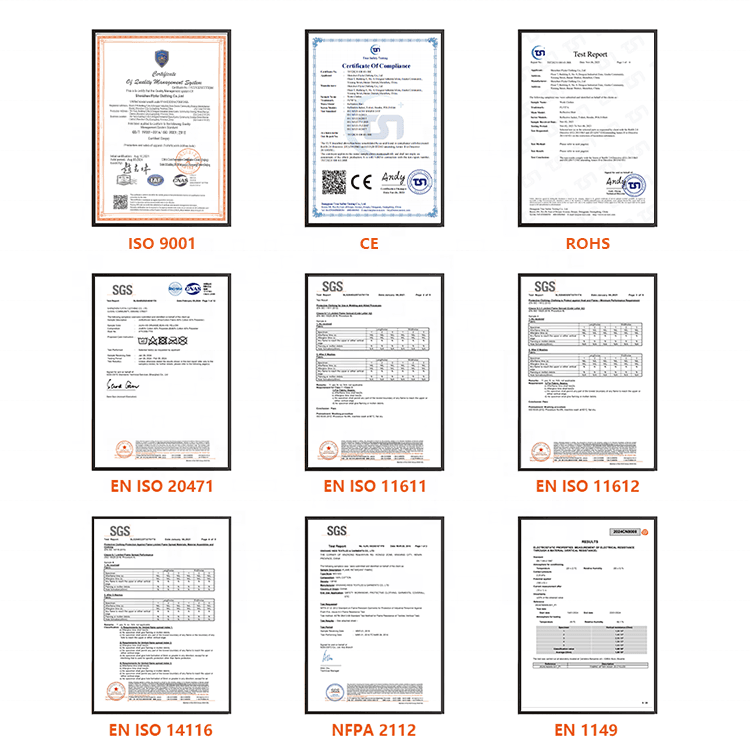
Download the checklist, RFQ template, and size sheet, then send quantities and standards through the quote form.
Related Tools
These tools help buyers convert the solution into sizing checks, compliance review, quantity planning, and a faster quote request.
Turn site conditions, hazards, and worker roles into a shortlist of PPE SKUs and a fast quote request.
Build a quoteEstimate monthly usage, replacement cycles, and budget needs before you place a bulk PPE order.
Plan quantitiesDecode ASTM F2413 and EN ISO 20345 markings such as S3, SRC, HRO, EH, and PR in seconds.
Decode labels