Grip, cut, and heat defense
Hand Protection
Protective gloves for industrial handling, welding, and cut-risk tasks
Subcategories
Showing 12 of 20 products

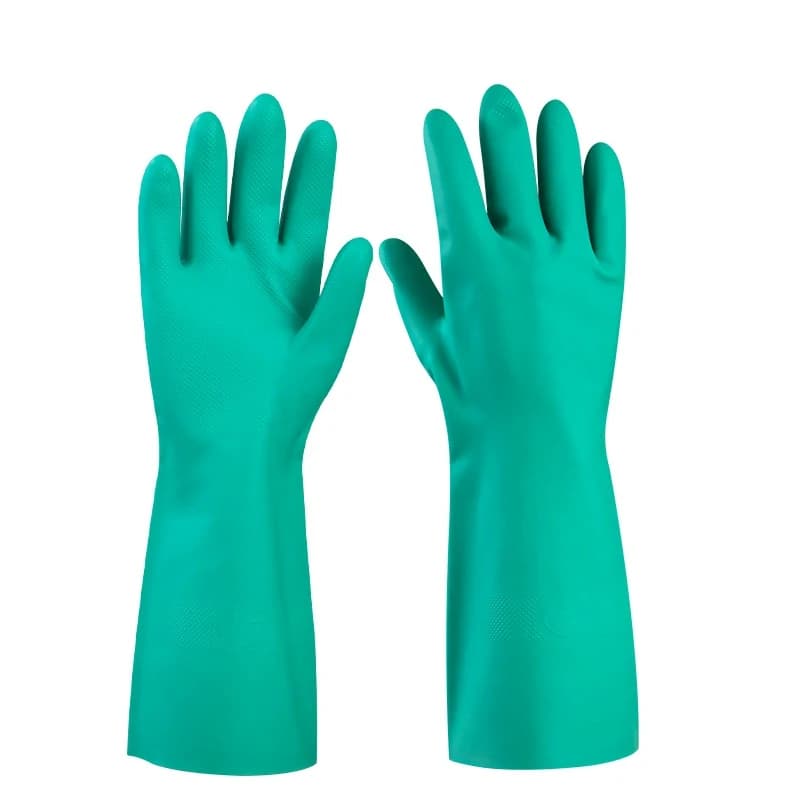


Grip, cut, and heat defense
Why buyers search hand protection by glove construction
Hand protection is rarely one broad purchase. Most buyers already know whether they are looking for welding gloves, cut protection, coated grip gloves, or a heavier leather work glove before they open a product page.
The useful comparison points here are coating type, cut performance, heat tolerance, dexterity, and wear life, because those details usually decide which glove family makes sense.
How to choose hand protection
- 1
Start with the main hazard, such as cut risk, welding heat, abrasive handling, oil contact, or general site labor.
- 2
Balance protection with dexterity because heavy gloves can slow handling tasks that require touch sensitivity or precision.
- 3
Compare palm coating, shell material, cuff length, and comfort for long-shift wear.
- 4
Standardize glove families by job type so replenishment and training stay simple across crews.
Common hand protection use cases
What buyers usually compare
- Cut and abrasion resistance
- Grip in dry or oily conditions
- Heat tolerance and cuff length
- Comfort, flexibility, and wear life
Hand Protection catalog signals
The products currently listed here share the following themes, which gives buyers a quicker summary of what shows up most often in this range.
Useful next paths
Use these links to move into the most relevant nearby categories, product pages, or the broader parent range when you need a wider comparison.
Subcategories
Explore Welding Gloves under Hand Protection
Use this subcategory to narrow hand protection intent into a more specific buying path.
Explore Cut Resistant Gloves under Hand Protection
Use this subcategory to narrow hand protection intent into a more specific buying path.
Explore Nitrile Coated Gloves under Hand Protection
Use this subcategory to narrow hand protection intent into a more specific buying path.
Explore Latex Coated Gloves under Hand Protection
Use this subcategory to narrow hand protection intent into a more specific buying path.
Popular products
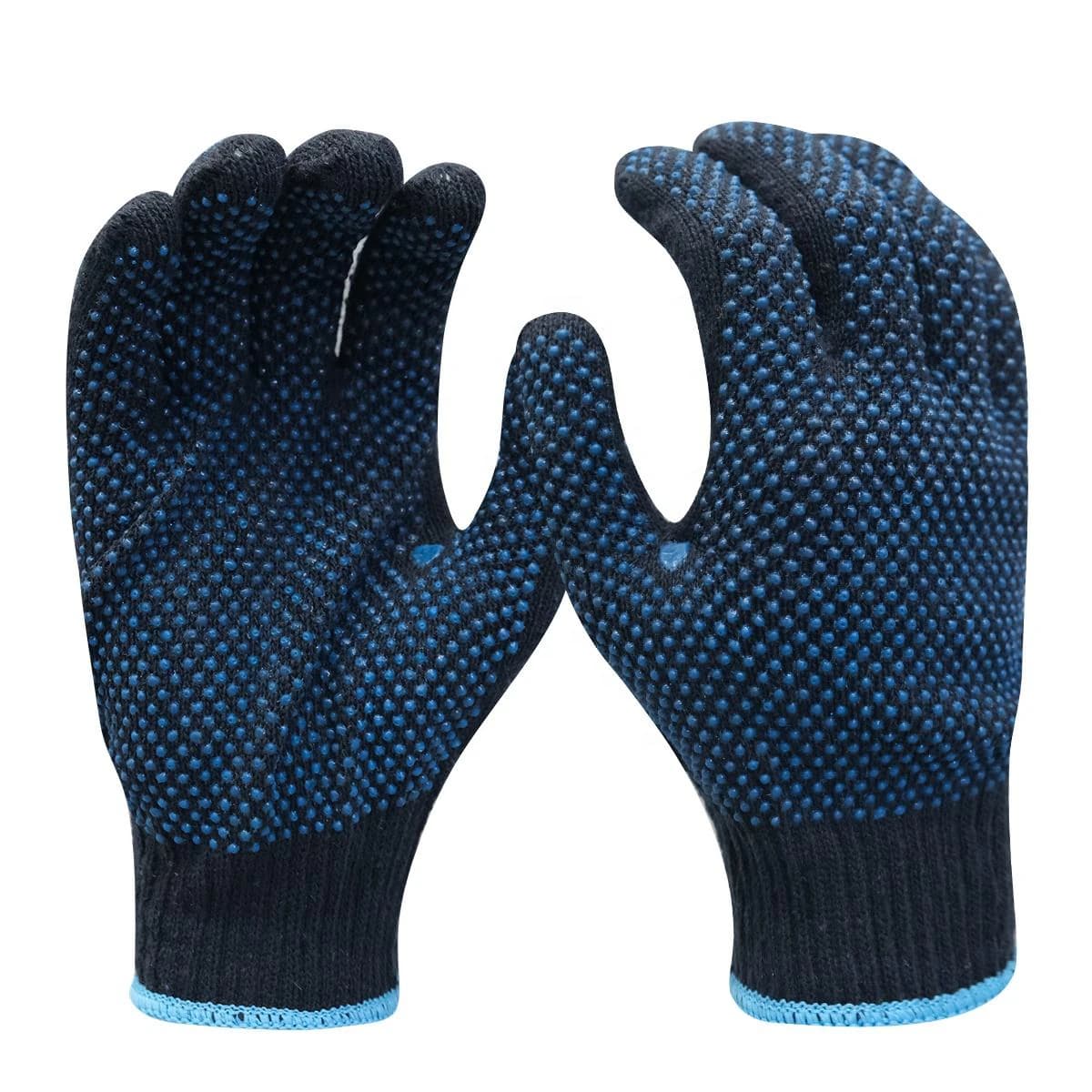
View Blue Double-Sided Dotted Knit Work Gloves
Open the product page to review specifications, images, and use details for this item.
View Steel-Wire Thumb-Reinforced Cut-Resistant Sandy-Coated Gloves
Open the product page to review specifications, images, and use details for this item.
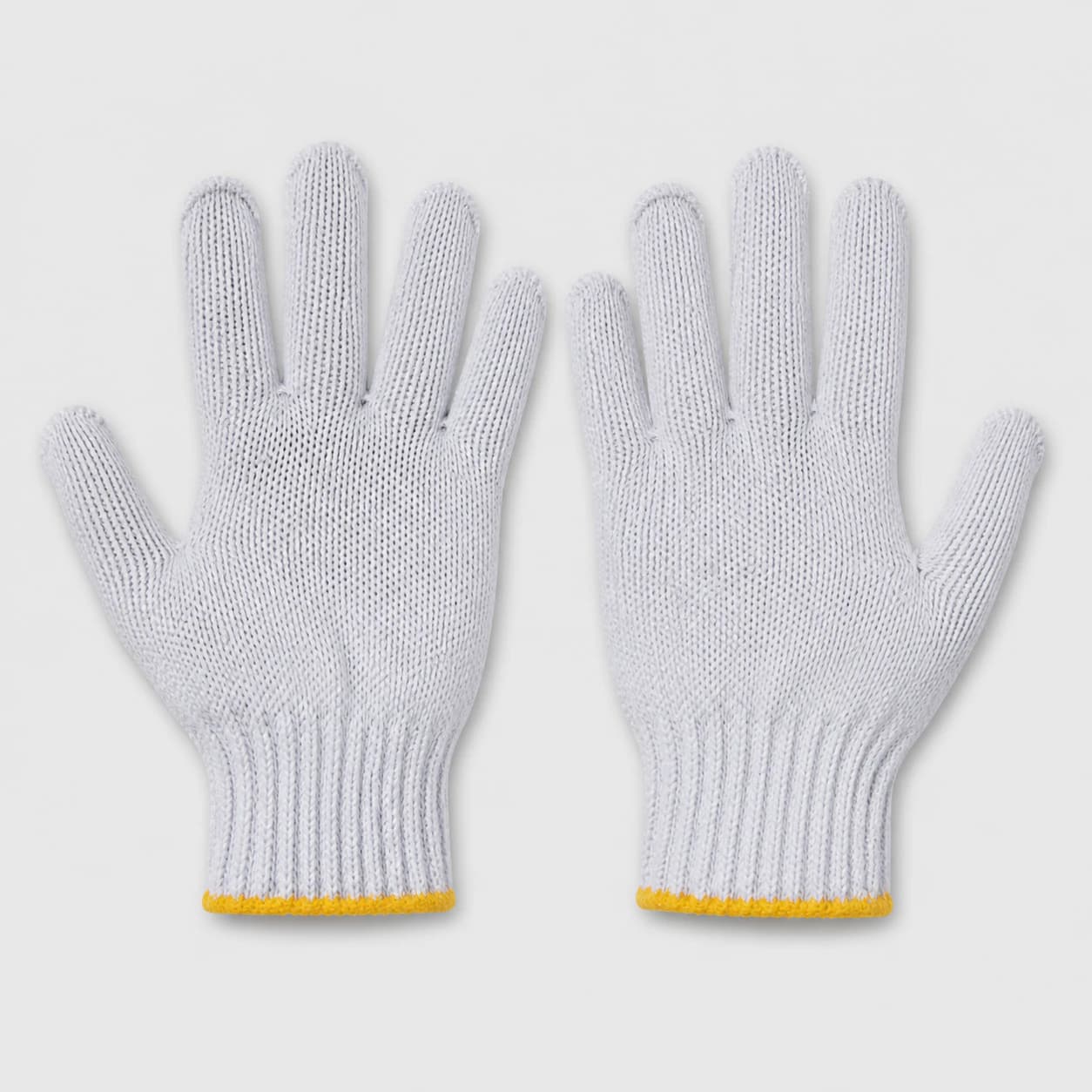
View 600g Thick Bleached Cotton String Work Gloves
Open the product page to review specifications, images, and use details for this item.
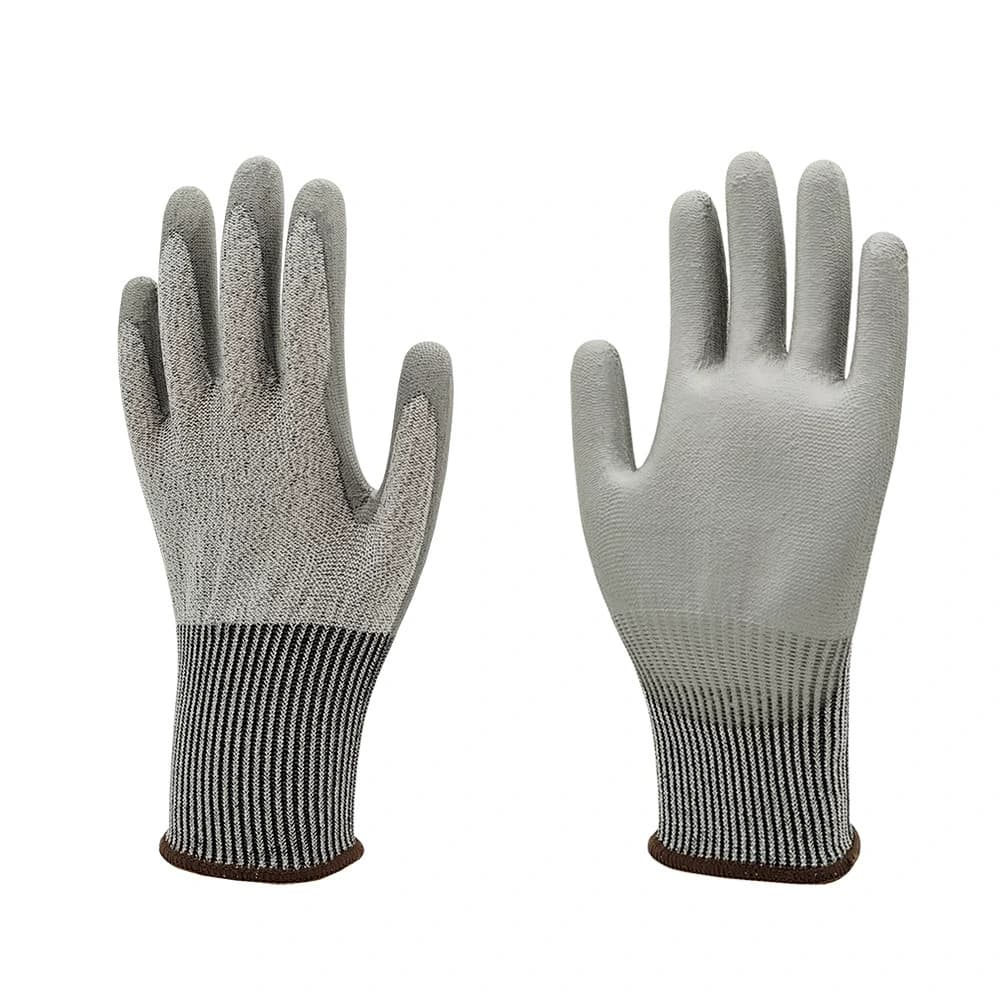
View Cut-Resistant PU-Coated Work Gloves
Open the product page to review specifications, images, and use details for this item.
Hand protection FAQ
How do I decide between coated gloves and leather work gloves?
Coated gloves are commonly chosen for grip and dexterity, while leather gloves are often preferred for rough handling, abrasion, and tougher general site work.
Are welding gloves suitable for general handling tasks?
They can be used for some heavy tasks, but welding gloves are usually optimized for heat and spark exposure rather than fine handling or coated-grip performance.
Why separate cut-resistant gloves from general work gloves?
Different glove families solve different hazards, and separating them makes it easier to compare the right products without mixing unrelated options together.