Coverage for weather, visibility, and hazards
Body Protection
Protective workwear, coveralls, rainwear, and visibility apparel
Subcategories
Showing 12 of 15 products


Coverage for weather, visibility, and hazards
How buyers sort protective workwear by garment type
Body protection spans reflective workwear, disposable coveralls, FR coveralls, rainwear, and general protective clothing used in industrial, utility, maintenance, and construction environments.
In practice, buyers usually narrow the shortlist by garment family first: disposable coveralls for hygiene workflows, FR apparel for hazard-specific work, reflective gear for visibility, and rainwear for weather exposure.
How to choose body protection
- 1
Identify the primary driver first, such as visibility, contamination control, weather exposure, flame resistance, or general workwear durability.
- 2
Separate disposable garments from reusable workwear so teams can compare procurement and replacement logic more clearly.
- 3
Look at fabric weight, closures, reflective coverage, and movement comfort for the actual shift conditions.
- 4
Group garments by task type so users can land on the right protective clothing family without excessive filtering.
Common body protection use cases
What buyers usually compare
- Visibility and reflective coverage
- Disposable versus reusable garments
- Weather, chemical, or FR performance
- Comfort and mobility during long shifts
Body Protection product highlights
Explore the product types and named features shown here. Review each model's details when comparing options for your workplace.
Related products and categories
Compare related product families and individual models before preparing your enquiry.
Subcategories
Explore Flame Resistant Coveralls under Body Protection
Compare flame resistant coveralls for your team's tasks and equipment requirements.
Explore Disposable Coveralls under Body Protection
Compare disposable coveralls for your team's tasks and equipment requirements.
Explore Work Coveralls under Body Protection
Compare work coveralls for your team's tasks and equipment requirements.
Explore Safety Vests under Body Protection
Compare safety vests for your team's tasks and equipment requirements.
Product examples
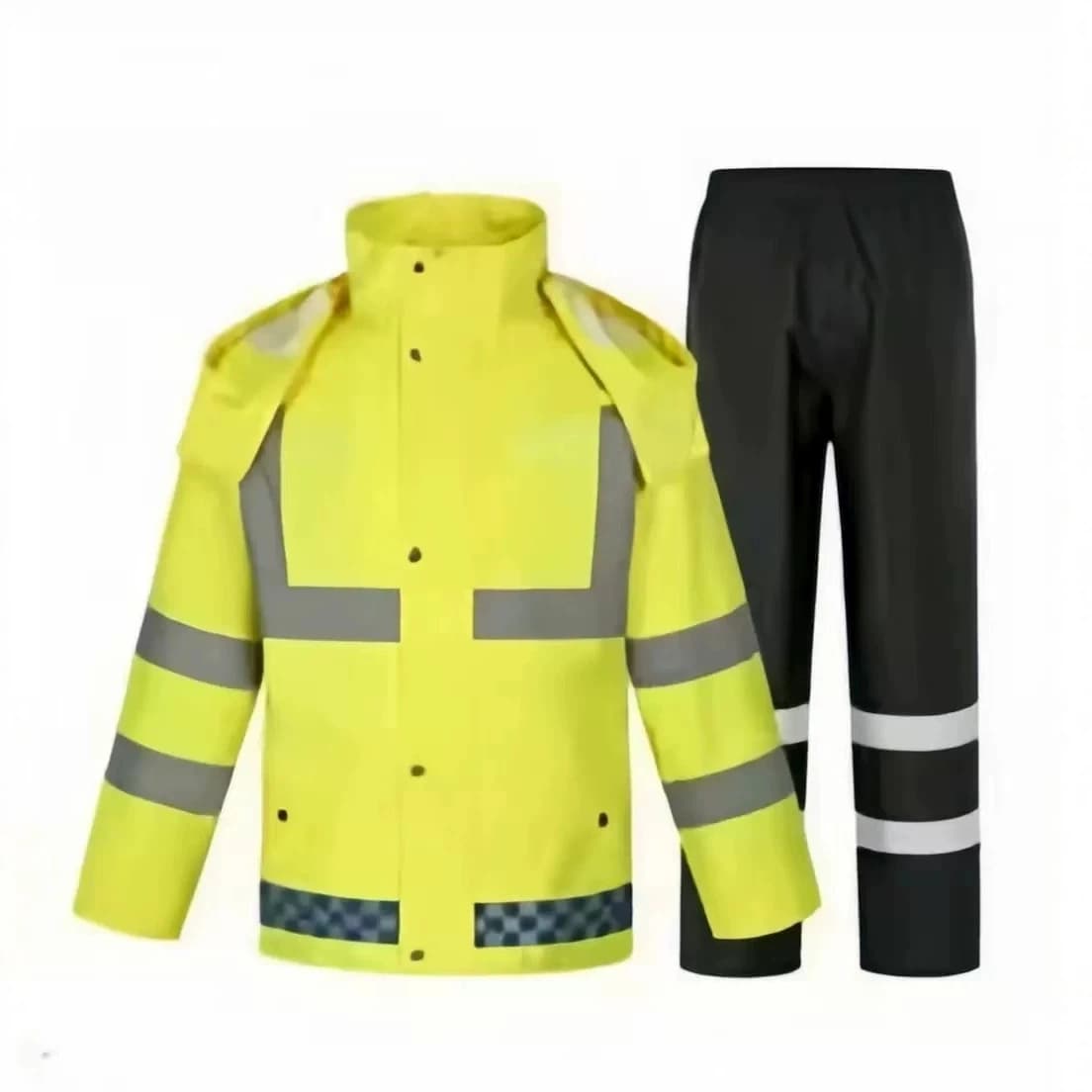
View 300D Reflective Rain Suits and Long Raincoats
Open the product page to review specifications, images, and use details for this item.
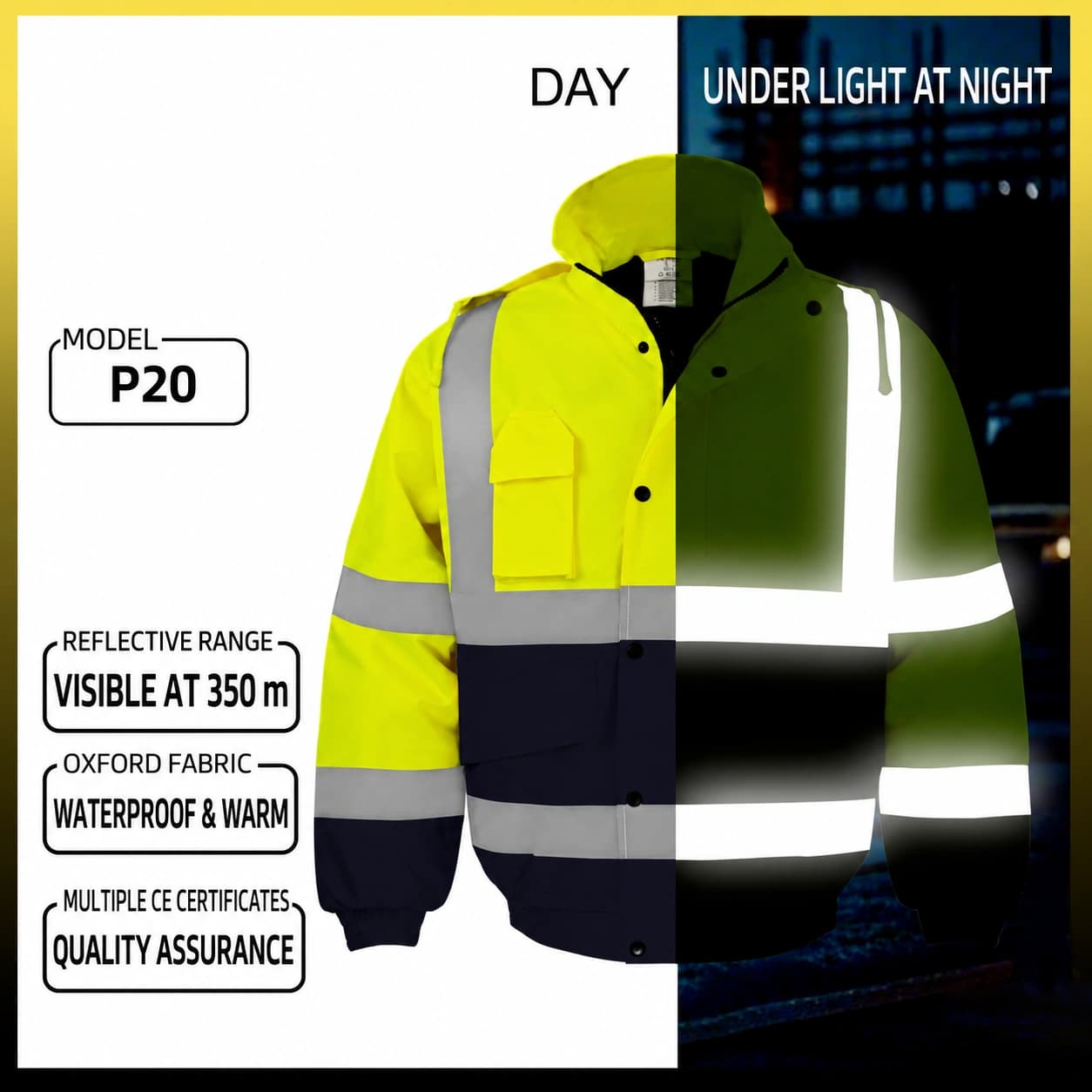
View 300D Waterproof Reflective Insulated Winter Jacket
Open the product page to review specifications, images, and use details for this item.
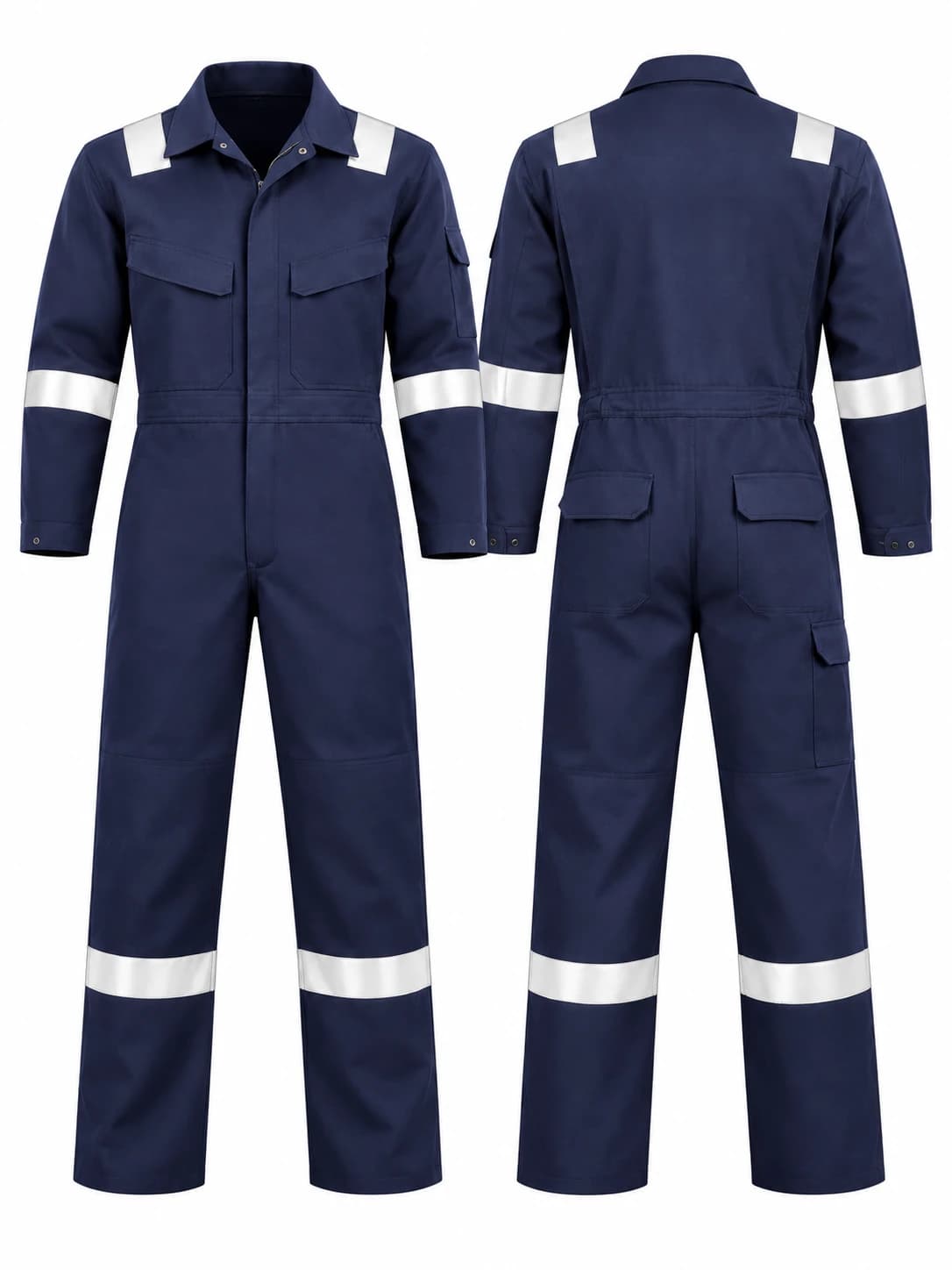
View Flame-Retardant Anti-Static Reflective Coverall
Open the product page to review specifications, images, and use details for this item.
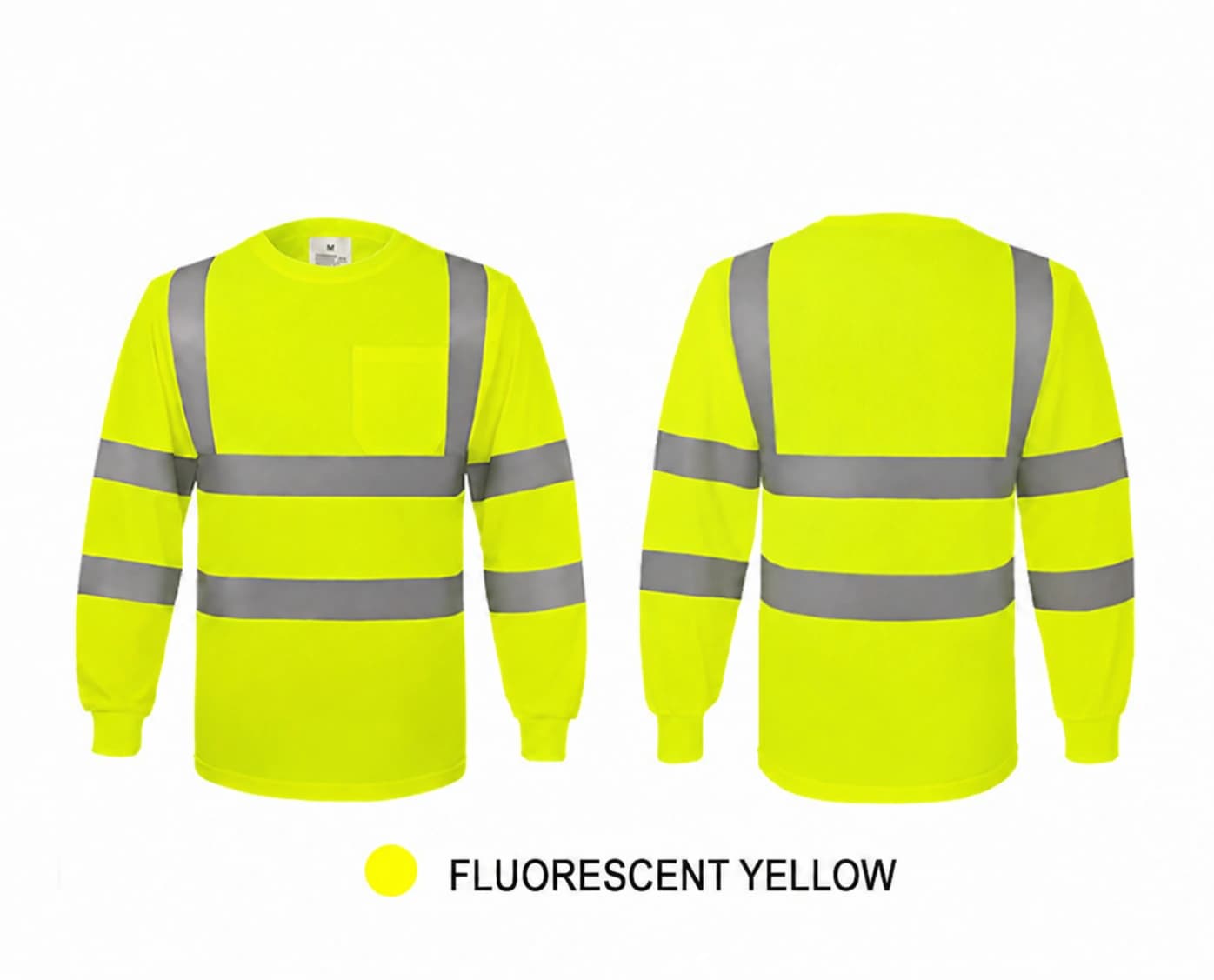
View Bird-Eye Mesh Hi-Vis Long Sleeve Work Shirt, 130 GSM
Open the product page to review specifications, images, and use details for this item.
Body protection FAQ
Why split disposable coveralls from reusable work coveralls?
They serve different procurement and safety use cases, so separating them improves product discovery and makes the category page more relevant.
When should buyers evaluate FR coveralls separately?
FR garments are usually purchased for specific hazard environments, so they deserve dedicated copy and clearer internal linking.
Why separate workwear into smaller apparel families?
Because buyers usually compare reflective garments, disposable coveralls, FR coveralls, and rainwear for different job conditions and replacement cycles.