Buyer next step
Turn this guide into a sourced PPE shortlist with standards, quantities, and role-based kit notes.
Planning tools
Use these tools before moving from this guide into quantities, sizing, labels, or RFQ planning.
Class E vs Class G vs Class C hard hats is an electrical protection decision. It is not the same as Type I vs Type II impact protection. A construction buyer can choose the right impact type and still choose the wrong electrical class if the jobsite exposure is not clearly defined.
For most purchasing teams, the hard hat class question comes up when a supplier asks whether the order should be Class E, Class G, or Class C. The short answer is simple: use Class E for higher electrical exposure, Class G for general limited electrical exposure, and Class C only where electrical contact risk is not present. The practical buying decision is more detailed because shell ventilation, accessories, chin straps, face shields, lights, and replacement parts can all affect the final specification.
Use this page for the focused electrical class decision. For impact direction, read Type 1 vs Type 2 hard hats. For the broader head protection category, read construction hard hat types. For the focused shell ventilation decision, use vented vs non-vented hard hats for construction. For brim shape, use full brim vs cap style hard hats. For role color, visitor helmets, or color-coded inventory control, use hard hat color codes on construction sites. If the question is whether to upgrade from traditional hard hats to helmet-style protection, use the safety helmet vs hard hat comparison. For a quick field decision, use the Hard Hat Class Decoder. For the complete jobsite PPE system, start with the construction PPE solution.
Quick Answer: Class E vs Class G vs Class C Hard Hats
Choose the hard hat class by electrical exposure. Then choose Type I or Type II by impact exposure. Then choose shell style, ventilation, brim, chin strap, suspension, accessories, and size range by task.
| Hard hat class | What it means for buyers | Typical construction use | Buying warning |
|---|---|---|---|
| Class E | Electrical class for higher-voltage electrical exposure. | Electrical crews, utility-adjacent work, energized equipment areas, industrial construction, and sites where electrical contact is a credible hazard. | Usually avoid vented shells for electrical exposure unless the product documentation clearly supports the required rating. |
| Class G | General class for limited electrical protection. | General construction, mixed trade crews, site access, supervision, and roles where low-voltage incidental exposure may exist. | Do not treat Class G as a substitute for Class E where higher electrical exposure is present. |
| Class C | Conductive or no electrical protection class. | Hot work zones without electrical exposure, hot climates where ventilation is prioritized, and tasks where electrical hazards are controlled out. | Do not use Class C where electrical shock or burn exposure is possible. |
The simplest RFQ wording is:
Construction head protection meeting ANSI/ISEA Z89.1, with Type I or Type II impact protection as specified by work zone, and Class E, Class G, or Class C electrical rating as specified by electrical exposure.
That wording is better than asking for "OSHA approved hard hats" or "construction helmets." OSHA does not approve one universal hard hat for every job. The employer must match head protection to the hazard.
Use the Construction PPE RFQ Template and add separate lines for electrical crews, general crews, visitors, scaffold crews, and non-electrical hot-weather crews where needed.
What OSHA Requires For Electrical Head Protection
OSHA's construction head protection rule is 29 CFR 1926.100. The core requirement is that workers must be protected by protective helmets where there is possible danger of head injury from impact, falling or flying objects, or electrical shock and burns.
For purchasing, that means a buyer should not start with color, logo, or price. The buyer should start with the hazard:
- Can something strike the worker from above?
- Can the worker strike the side of the head?
- Is electrical shock or burn exposure possible?
- Is the worker near energized conductors, temporary power, panels, overhead lines, or electrical installation work?
- Will the hard hat be used with face shields, hearing protection, respirators, lamps, or chin straps?
- Does the shell need ventilation, and would ventilation conflict with electrical class needs?
OSHA points employers toward recognized consensus head protection standards. In practice, US construction buyers usually ask suppliers for ANSI/ISEA Z89.1 compliance and then specify Type I or Type II plus Class E, Class G, or Class C.
For electrical exposure, do not treat the hard hat as permission to contact energized parts. Electrical class is one layer of PPE inside a larger electrical safety system. Lockout, approach distance, qualified worker rules, insulating gloves, arc-rated clothing, face protection, training, and work planning still matter.
Class E Hard Hats
Class E hard hats are the higher electrical class in common construction buying language. The "E" stands for electrical. Buyers use Class E when electrical shock or burn exposure is a credible part of the jobsite hazard assessment.
Class E may be appropriate for:
- electrical installation crews
- work near energized equipment
- utility-adjacent construction
- temporary power setup and maintenance
- industrial construction with panels, transformers, switchgear, or cable runs
- bridge, plant, rail, or infrastructure work where electrical systems are nearby
- general contractors who want a conservative non-vented head protection baseline for mixed crews
Class E is usually the safest class to ask about when the buyer is not yet sure whether electrical exposure exists. However, it is not automatically the best choice for every worker. Class E products may have less ventilation, different shell materials, and different comfort tradeoffs. Workers in hot climates may push back if the product is heavy, hot, or poorly fitted. Use the fiberglass vs ABS vs HDPE safety helmet guide to compare material evidence without treating the shell material as an electrical rating.
Good RFQ wording:
Class E hard hats or safety helmets meeting ANSI/ISEA Z89.1, with non-vented shell, compatible suspension, accessory slots as required, chin strap option where specified, and documentation showing Type and Class marking.
Do not write only "electrician hard hat." That can produce inconsistent supplier quotes. Write the exact class, impact type, shell style, accessory requirement, and documentation requirement.
Class G Hard Hats
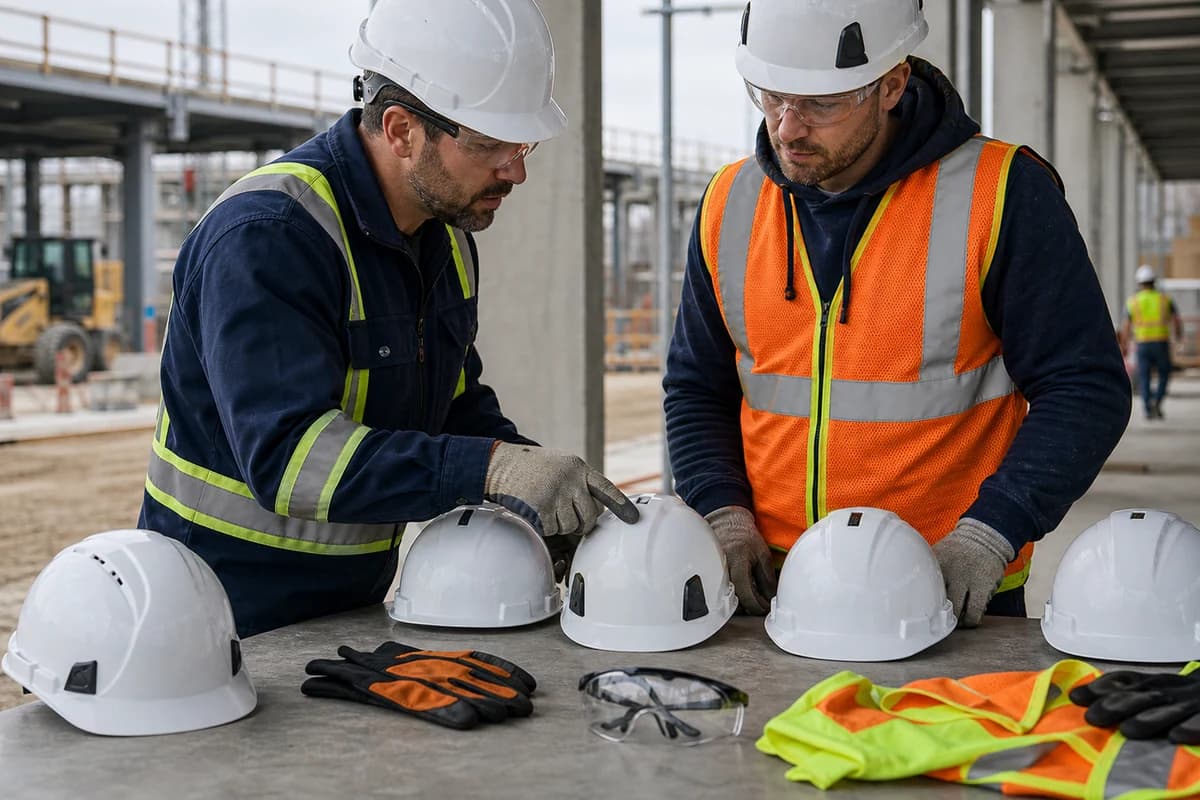
Class G hard hats are often used as a general construction baseline where limited electrical protection is desired but the work is not being specified as higher electrical exposure. The "G" stands for general.
Class G may fit:
- general site entry
- supervision and inspection
- concrete, framing, and general labor crews
- warehouse, staging, and yard work connected to a project
- mixed work zones where incidental electrical exposure is possible but higher-voltage electrical work is not the task
- contractors who want more electrical protection than Class C without specifying Class E for every worker
Class G is not the same as Class E. It should not be used as a cost-saving substitute where electrical exposure calls for Class E. The difference matters in electrical crews, temporary power work, utility-adjacent sites, and industrial construction.
Good RFQ wording:
Class G hard hats meeting ANSI/ISEA Z89.1 for general construction crews, Type I or Type II as specified by impact exposure, with shell style, suspension, accessory compatibility, and replacement parts listed separately.
If the buyer has both general crews and electrical crews, split the order. For example:
- General site crew: Type I Class G, cap-style or full-brim as required.
- Electrical crew: Type I or Type II Class E, non-vented shell, electrical documentation required.
- Scaffold or elevated crew: Type II Class E or Class G depending on electrical exposure, chin strap option required.
One mixed hard hat order can hide important jobsite differences.
Class C Hard Hats
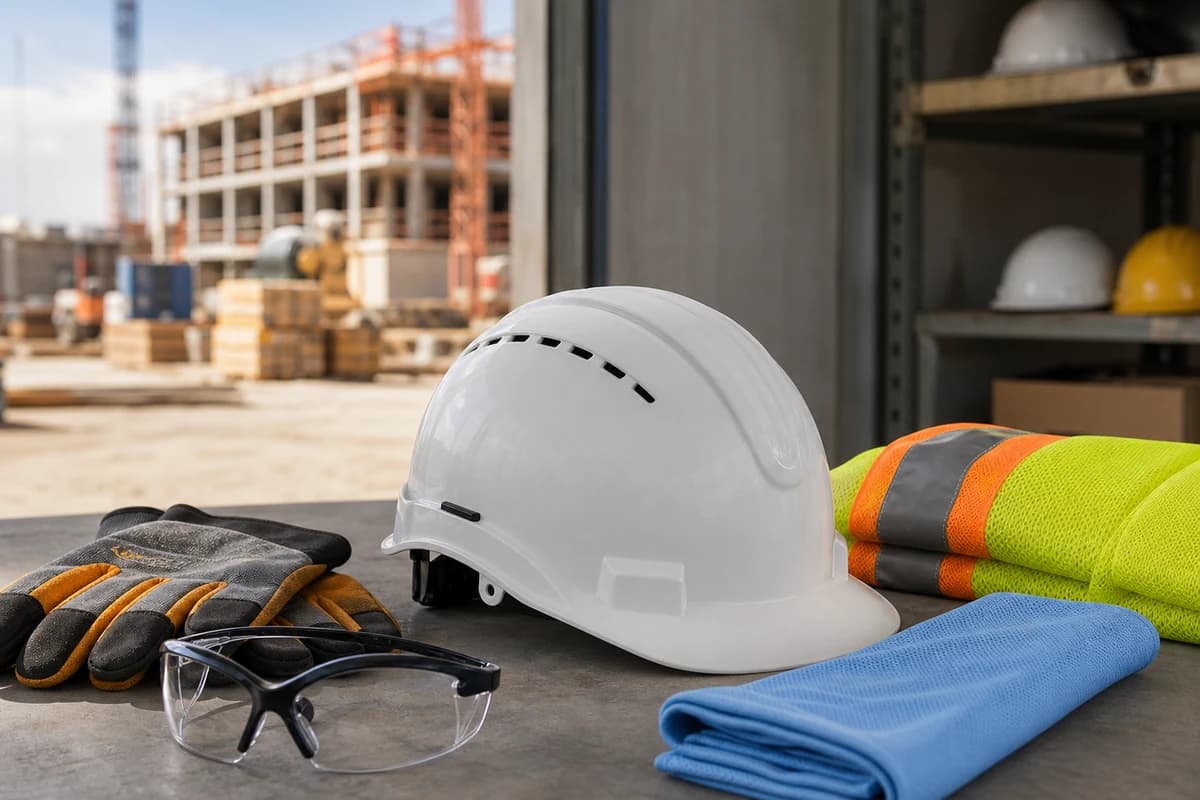
Class C hard hats do not provide electrical protection. The "C" is commonly treated as conductive or no electrical insulation in buyer conversations. The benefit is usually ventilation, lighter weight, comfort, or specific shell design. The risk is using Class C in the wrong work zone.
Class C may fit:
- hot-weather construction where electrical hazards are not present
- general outdoor work with controlled electrical exposure
- some roadwork, landscaping, material handling, or non-electrical site support roles
- controlled zones where the employer has removed electrical contact risk from the task
- certain vented helmet-style products where comfort and retention are priorities
Class C is risky where:
- workers are near energized conductors
- temporary power is present and uncontrolled
- electrical installation or maintenance is part of the task
- overhead power lines are near equipment, ladders, lifts, or scaffolds
- the buyer cannot clearly separate electrical and non-electrical crews
If a buyer wants vented hard hats for comfort, the right question is not "Can we use Class C everywhere?" The right question is:
Which crews have no electrical exposure, and how will we keep Class C head protection out of electrical work zones?
Class C can be a good product when it is used deliberately. It becomes a problem when it is bought as the cheapest or coolest option and then issued to everyone.
Class E vs Class G vs Class C Comparison Table
Use this table when turning a site hazard review into a purchasing specification.
| Buying factor | Class E | Class G | Class C |
|---|---|---|---|
| Electrical protection intent | Higher electrical protection class | General limited electrical protection class | No electrical protection |
| Typical shell ventilation | Usually non-vented for electrical use | Often non-vented, but verify product data | Often vented or comfort-focused |
| Best for | Electrical exposure, utility-adjacent work, industrial construction | General construction with limited incidental electrical exposure | Non-electrical work zones where heat and ventilation matter |
| Main risk if misused | Can be over-specified for hot, non-electrical crews if comfort is ignored | Can be under-specified for higher electrical exposure | Dangerous in electrical work zones |
| RFQ language | Class E, non-vented, Type I or II, documentation required | Class G, Type I or II, shell style specified | Class C only for non-electrical zones |
| Common buyer mistake | Assuming Class E solves impact direction | Treating Class G as enough for all electrical work | Buying vented Class C for everyone |
The class decision should be made before color coding. A color program can help organize jobsite roles, but color does not prove compliance. The hard hat marking, supplier data sheet, certificate, and product construction matter more than color. Use the hard hat color codes guide when the site needs role colors without weakening the electrical class specification.
Common Construction Buyer Scenarios
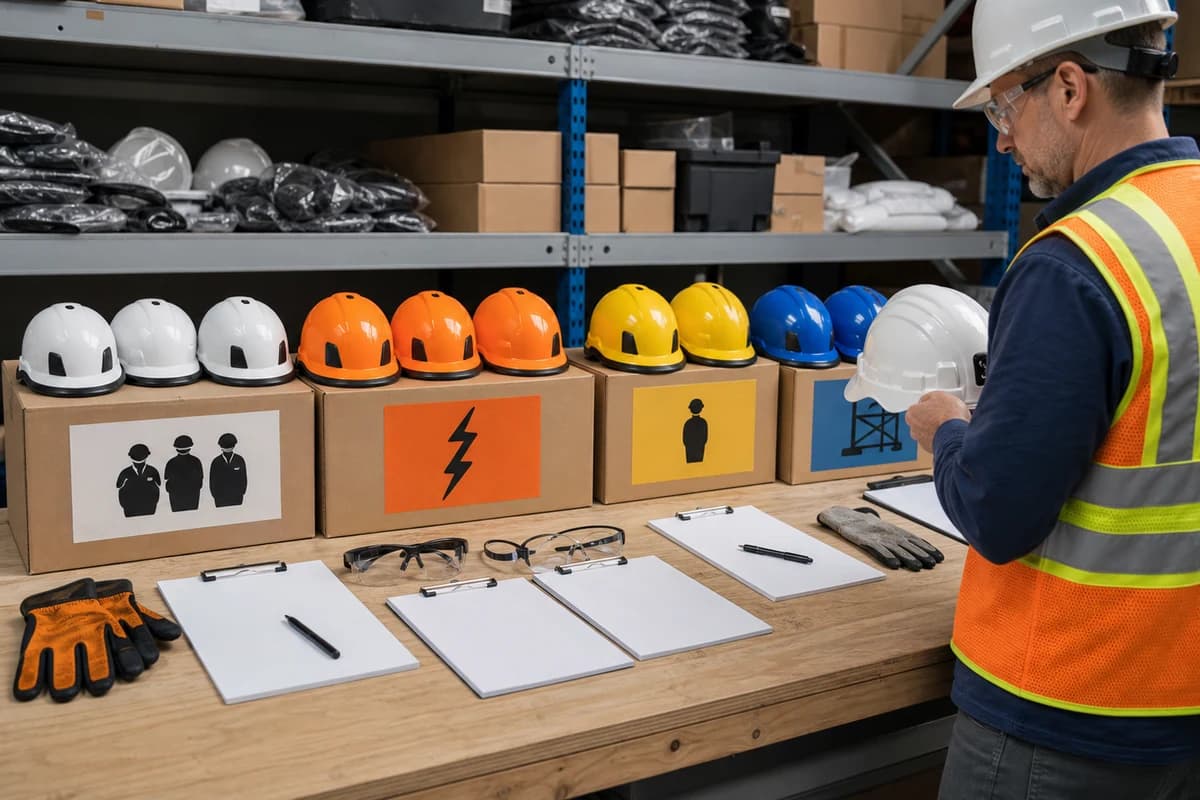
Different construction teams often need different hard hat class decisions inside one contractor order.
| Scenario | Better class direction | Notes for buyers |
|---|---|---|
| General contractor issuing one baseline hard hat | Class G or Class E depending on electrical exposure tolerance | If unsure, ask suppliers for both options and compare comfort, cost, documentation, and availability. |
| Electrical subcontractor | Class E | Confirm non-vented shell, Type requirement, accessory compatibility, and electrical documentation. |
| Scaffold crew near no electrical exposure | Class G or Class C depending on site rules | Impact type and chin strap may matter more than electrical class, but Class C must be kept out of electrical zones. |
| Steel erection around overhead work | Class G or Class E depending on electrical exposure | Consider Type II if lateral impact, climbing, or retention risk is significant. |
| Roadwork and bridgework | Class G, Class E, or Class C by exposure | Check overhead lines, lighting, temporary power, traffic exposure, and weather. |
| Demolition and renovation | Class G or Class E for many crews | Hidden utilities and changing site conditions often make Class C harder to control. |
| Visitor stock | Class G baseline is often more practical than Class C | Visitor PPE should be simple, durable, and suitable for the areas visitors can enter. |
For a fast first pass, use the Hard Hat Class Decoder. Then turn the result into a supplier-ready RFQ.
Vented vs Non-Vented Shells And Electrical Classes
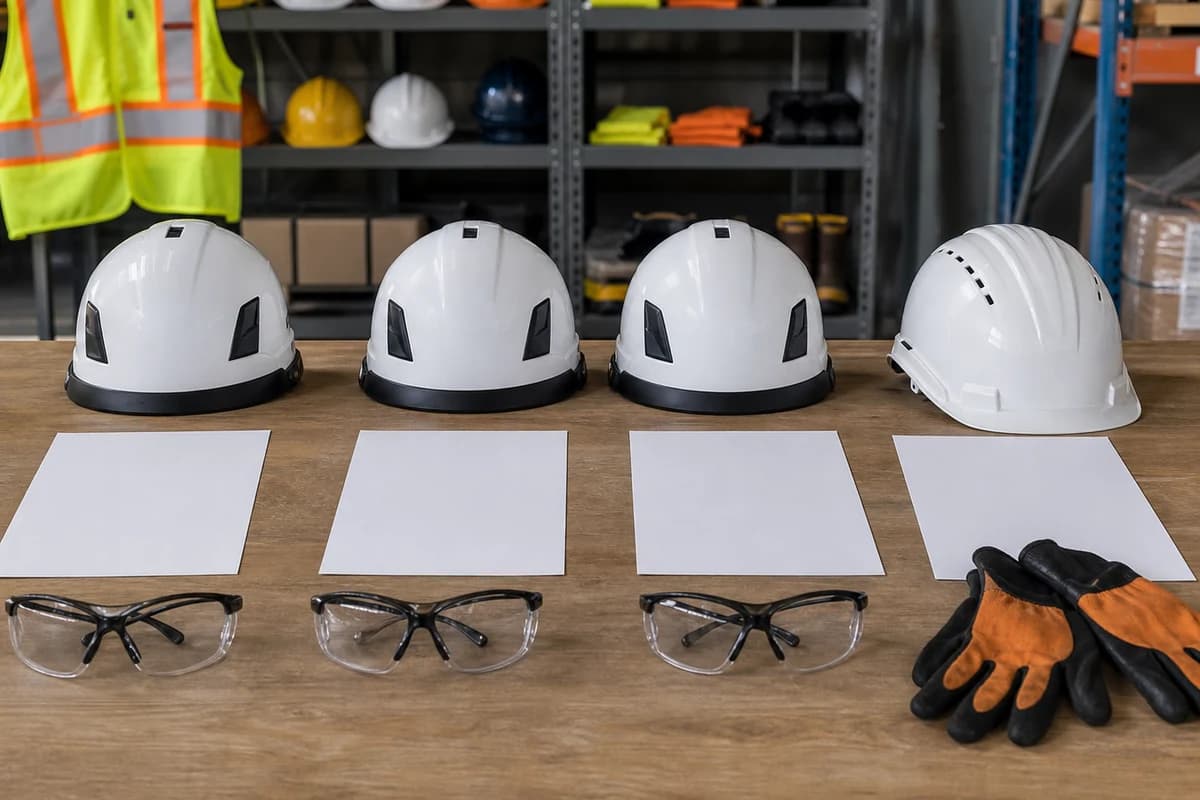
Venting is one of the most common reasons buyers choose the wrong hard hat class. Vented shells can improve comfort in hot weather, but ventilation openings can conflict with electrical protection requirements. For a fuller shell-by-shell buying framework, use the vented vs non-vented hard hats guide.
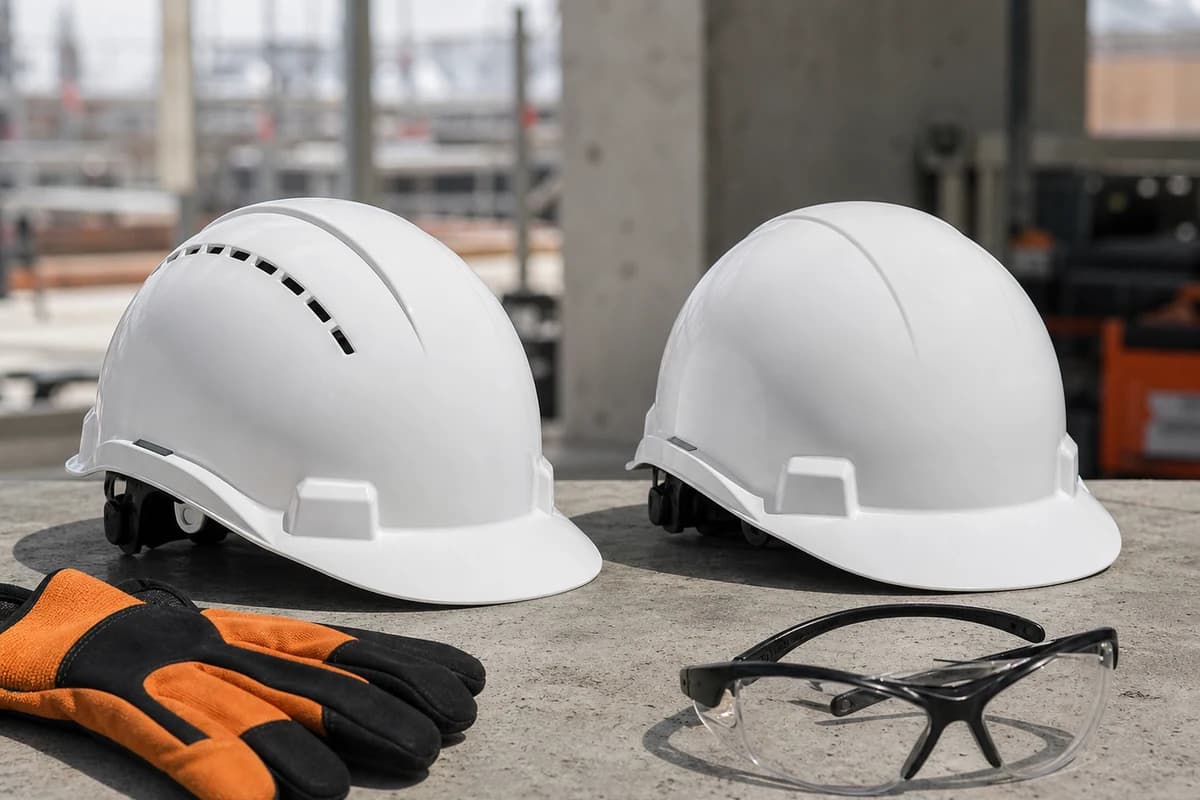
As a practical buying rule:
- Treat Class E as non-vented unless the supplier documentation clearly proves the required rating.
- Do not use Class C where electrical contact risk is present.
- Do not assume a vented shell is acceptable because it looks like a standard hard hat.
- Do not drill, cut, modify, or add unauthorized accessories to improve ventilation.
- Confirm that lamps, earmuffs, face shields, and chin straps are compatible with the specific shell and rating.
Heat stress is real, so buyers should not ignore comfort. But the answer is not to use Class C everywhere. Better options include:
- separate Class E/G and Class C inventories by work zone
- use shaded rest areas, hydration, work-rest planning, and replacement schedules
- ask suppliers for lighter non-vented Class E or Class G models
- test sample helmets with the actual crew before bulk purchase
- use the heat stress PPE guide for broader hot-weather PPE planning
Electrical class and heat comfort both matter. The procurement plan has to solve both without weakening hazard control.
How To Write The Hard Hat Class Into An RFQ
A weak RFQ says:
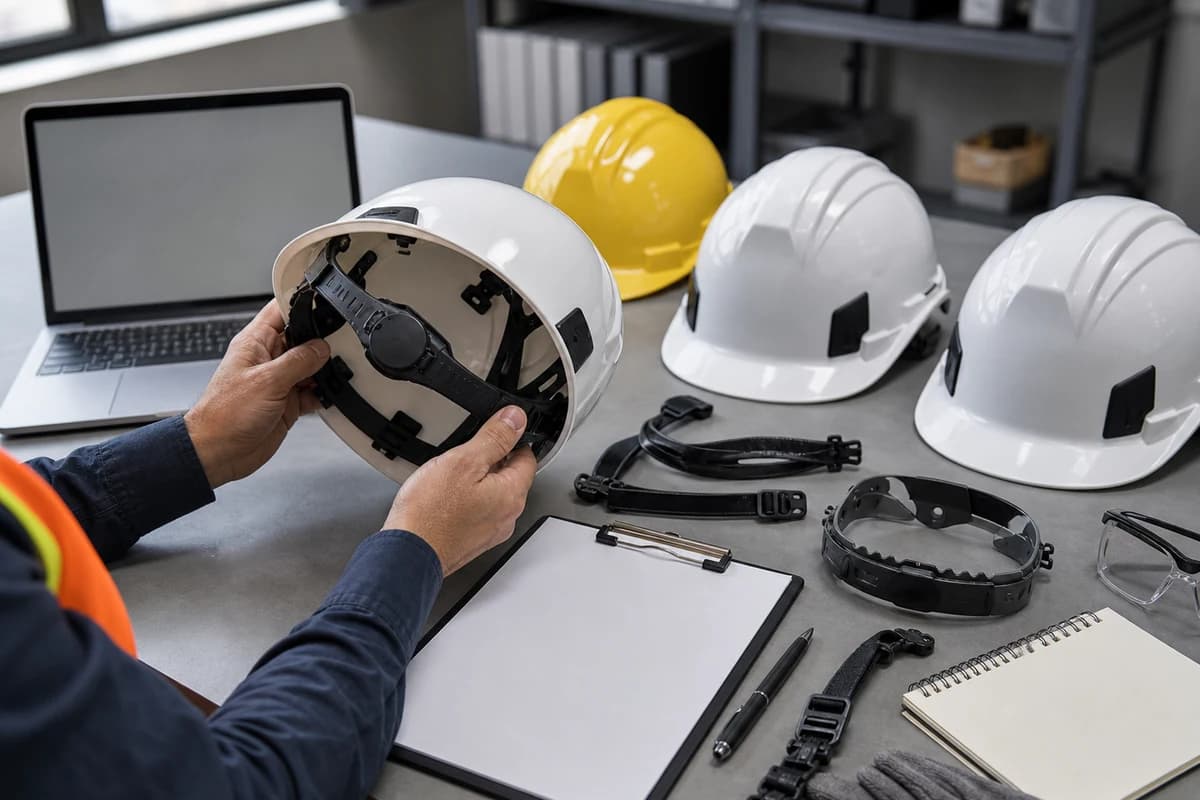
Need 500 hard hats for construction. Yellow, white, blue. Send best price.
A stronger RFQ says:
Please quote construction head protection meeting ANSI/ISEA Z89.1. Separate options by Type I and Type II impact protection and by Class E, Class G, and Class C electrical rating. Include shell style, vented/non-vented status, suspension type, size range, chin strap options, accessory compatibility, replacement suspensions, marking photos, certificates or test documentation, sample lead time, MOQ, packaging, and price breaks.
For contractor buying, split the RFQ into role-based lines:
| RFQ line | Example specification |
|---|---|
| General site crew | Type I Class G hard hat, cap style or full brim, suspension replacement available. |
| Electrical crew | Type I or Type II Class E hard hat or safety helmet, non-vented, accessory compatibility confirmed. |
| Scaffold and elevated crew | Type II hard hat or safety helmet, Class selected by electrical exposure, chin strap required. |
| Hot-weather non-electrical crew | Class C vented hard hat only if electrical exposure is controlled out. |
| Visitor stock | Durable Class G hard hats with adjustable suspension and simple color coding. |
Ask for product marking photos. A compliant supplier should be able to show the relevant standard, Type, Class, manufacturer identification, and size range. If the supplier cannot explain Type and Class clearly, do not rely on product title alone.
Marking, Inspection, And Replacement Checks
Hard hat class selection does not end when the purchase order is placed. The field team still has to verify that the product issued to workers matches the specification.
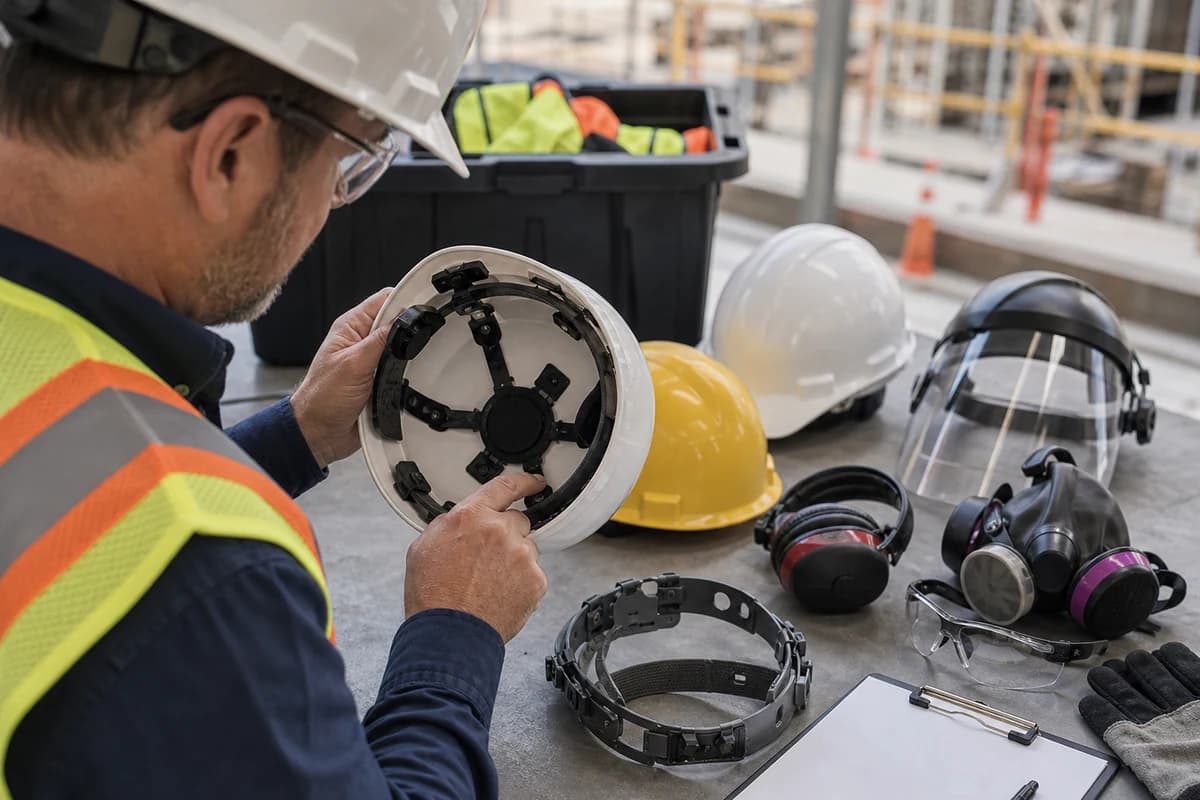
Before issuing the hard hat, check:
- standard marking
- Type I or Type II marking
- Class E, Class G, or Class C marking
- manufacturer name or identification
- size range
- shell condition
- suspension condition
- chin strap or retention parts where required
- accessory compatibility
- date code or service-life guidance
- whether the shell was modified, drilled, painted, stickered, or heat damaged in a way that conflicts with manufacturer instructions
Daily field checks should remove hard hats from service when the shell is cracked, deformed, deeply scratched, chemically damaged, heat damaged, brittle, faded beyond manufacturer limits, or fitted with a damaged suspension. Replacement suspensions matter because many sites keep shells longer than the suspension can support.
For bulk orders, buy replacement suspensions and chin straps with the first shipment. Do not wait until workers start swapping parts between incompatible models.
Common Mistakes When Buying Hard Hat Classes
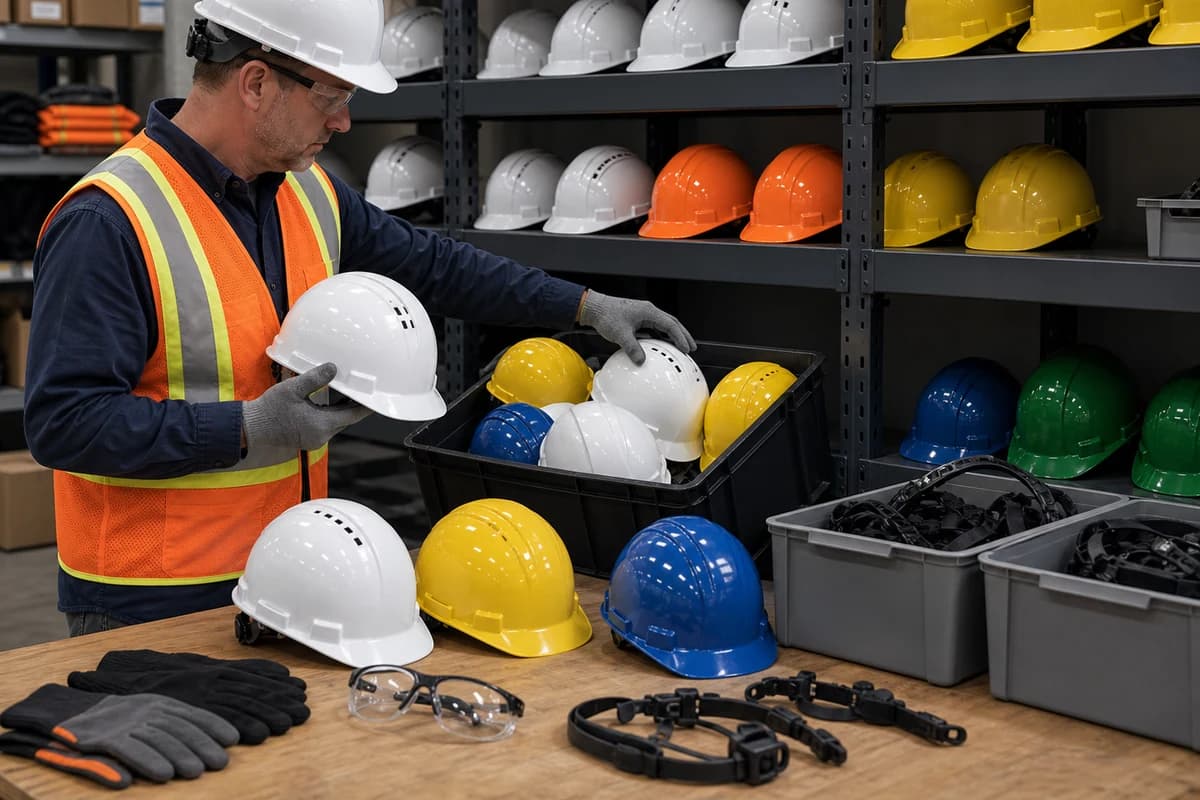
The biggest hard hat class mistakes are predictable.
Mistake 1: Treating Class C as a cheaper general-purpose option. Class C can be useful, but only where electrical exposure is not present. It should not become the default for every construction worker just because it is vented or inexpensive.
Mistake 2: Assuming Class E means Type II. Class E is electrical. Type II is impact direction. A buyer still has to specify both.
Mistake 3: Buying one hard hat for every trade. Electrical crews, scaffold crews, visitors, concrete crews, road crews, and demolition crews can have different head protection needs.
Mistake 4: Ignoring accessories. Earmuffs, face shields, lamps, respirators, eye protection, and chin straps can change the real-world fit and suitability of a hard hat system.
Mistake 5: Asking for "OSHA approved" products. OSHA sets requirements. Suppliers should provide products that meet the relevant recognized standard and match the employer's hazard assessment. Ask for markings and documentation instead.
Mistake 6: Not controlling inventory by work zone. If Class C and Class E hard hats look similar and are stored together, workers can grab the wrong shell. Use separate issue points, colors, labels, storage bins, or supervisor checks.
Buyer Decision Matrix
Use this matrix before approving a bulk order.
| Question | If yes | If no |
|---|---|---|
| Is electrical shock or burn exposure possible? | Start with Class E or Class G review. Do not issue Class C. | Class C may be considered if impact and comfort needs fit. |
| Is higher electrical exposure part of the task? | Specify Class E and request documentation. | Class G may fit general crews if site rules allow. |
| Is the shell vented? | Verify whether the class is Class C or whether documentation supports another class. | Non-vented shells are more common for electrical classes. |
| Is side impact realistic? | Review Type II and chin strap needs. | Type I may be enough for top-impact exposure. |
| Will accessories be mounted? | Confirm compatibility with the exact shell and rating. | Still check suspension, fit, and replacement parts. |
| Will one order cover multiple trades? | Split by role or zone. | Keep the specification simple but still include Type and Class. |
For the full head protection path, use:
- Construction hard hat types
- Type 1 vs Type 2 hard hats
- Vented vs non-vented hard hats for construction
- Full brim vs cap style hard hats for construction
- Hard hat color codes on construction sites
- Safety helmet vs hard hat for construction
- Hard Hat Class Decoder
- Bulk construction PPE procurement guide
FAQ
What is the difference between Class E and Class G hard hats?
Class E is the higher electrical class commonly specified for electrical exposure. Class G is a general class with limited electrical protection. Buyers should use Class E where higher electrical exposure is credible and Class G where general limited electrical protection is enough.
Is Class C safe for construction?
Class C can be safe for construction only where electrical exposure is not present and the product matches the impact and task needs. It is not appropriate for electrical work zones or unclear electrical exposure.
Are vented hard hats Class C?
Many vented hard hats are Class C because ventilation openings can conflict with electrical insulation needs. Always check the product marking and supplier documentation instead of assuming from appearance.
Should every contractor buy Class E hard hats?
Not always. Class E may be a conservative baseline for some contractors, especially where electrical exposure is hard to separate, but it can create comfort and heat tradeoffs. The better approach is to specify Class E, Class G, or Class C by role and exposure.
Does Class E mean the hard hat is Type II?
No. Class E is electrical. Type II is impact direction. A buyer may need Type I Class E, Type II Class E, Type I Class G, Type II Class G, or another combination depending on the product and hazard.
What should I ask a supplier for?
Ask for the applicable standard, Type, Class, shell style, ventilation status, suspension, chin strap option, accessory compatibility, size range, replacement parts, marking photos, and documentation. For bulk buying, also ask for sample lead time, MOQ, packaging, and reorder availability.
Next Step For Construction Buyers
If you are building a construction PPE order, do not treat head protection as one SKU. Separate the order by electrical exposure, impact exposure, task, and accessory needs.
Start with the Hard Hat Class Decoder, then use the Construction PPE RFQ Template to request clear supplier quotes.
For a complete site package, connect this article with the construction PPE solution, the contractor PPE kit checklist, and the bulk construction PPE procurement guide.
Related PPE
Source the PPE covered in this guide
Move from research to a buyer shortlist with the matching solution page, category paths, selected PPE options, and RFQ next steps.