


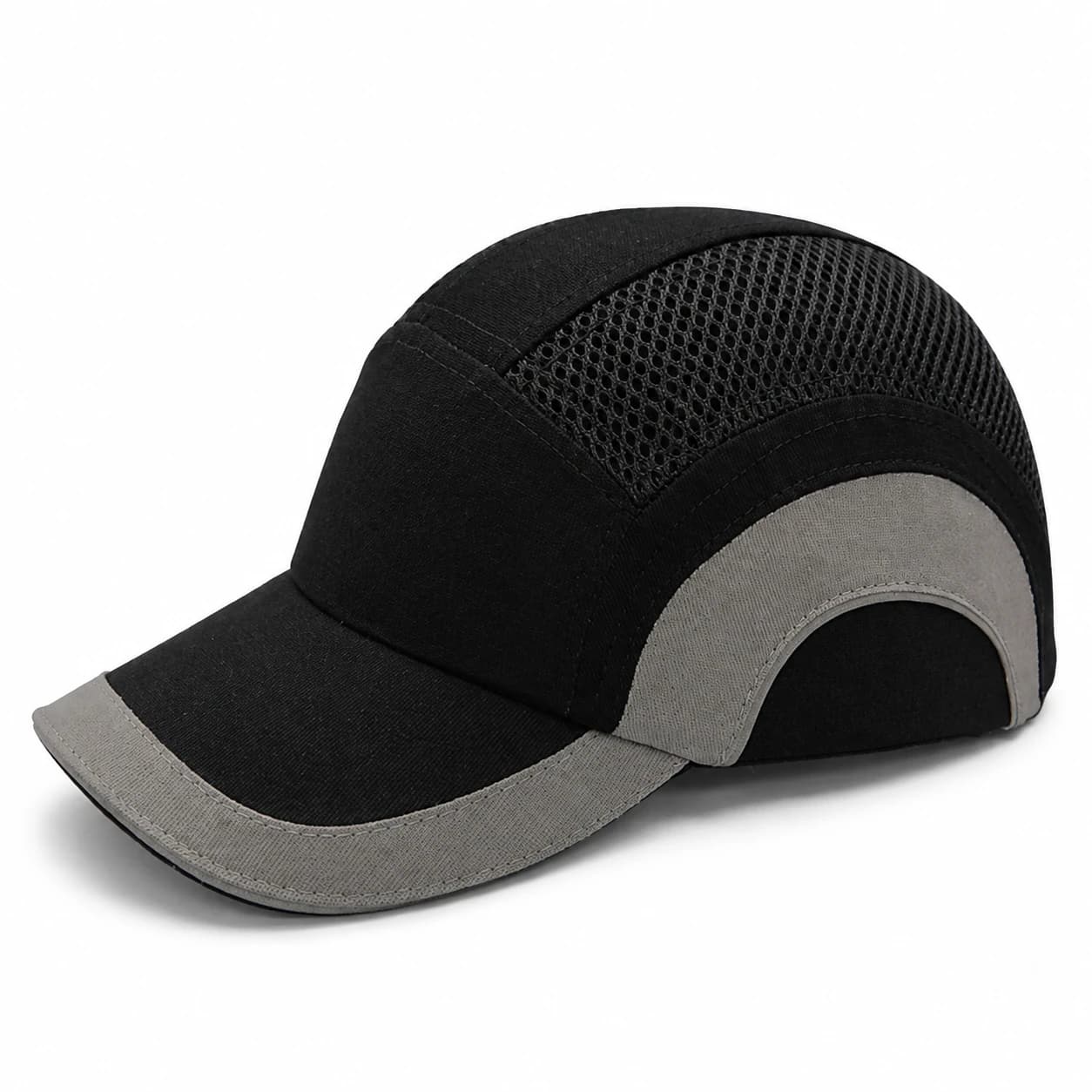
Standards
CE, EN, ANSI/ISEA and buyer-specific standard checks can be mapped before quoting.

A procurement-focused PPE solution for scaffold erectors, scaffold users, inspectors, and elevated platform crews. Covers fall arrest, helmet retention, anti-slip footwear, gloves, tool tethering, hi-vis clothing, OSHA Subpart L checks, and role-based PPE kits.
Scaffolding and elevated platform work combines height exposure, climbing, tool handling, changing guardrail conditions, dropped-object risk, weather, and congested access. A basic hard-hat-and-vest package is not enough for scaffold crews. The PPE system should match the worker's role, the scaffold status, and the surrounding site hazards:
Use this page as the scaffolding-specific branch of the complete construction PPE system. For the full site-wide structure, start with the Complete PPE solution for construction sites. For the fall-arrest system behind scaffold work, use fall protection PPE for construction sites.
Fast buyer answer: scaffold erectors usually need fall protection, helmet retention, anti-slip footwear, tool lanyards, and cut or impact gloves; scaffold users need stable head, foot, eye, hand, and weather protection matched to the completed platform; ground support workers need visibility, head protection, and dropped-object controls. Treat the scaffolding PPE checklist as a role-kit problem, not a single product bundle.
This page focuses on what procurement teams and site supervisors need to specify for scaffold erectors, scaffold users, inspectors, and ground support workers: PPE categories, role-based issue kits, compatibility checks, standards, and replacement controls.
For the article-format checklist, use the scaffolding PPE checklist. For related category decisions, use the types of hard hats for construction guide, construction safety footwear guide, high-visibility clothing guide, and bulk construction PPE procurement guide.
| Hazard | Potential Injury | Required PPE |
|---|---|---|
| Incomplete guardrails during erection, alteration, or dismantling | Falls to lower levels | Full body harness, suitable connector, anchor plan, and competent-person control |
| Working on completed platforms more than 10 ft above lower levels | Falls from unprotected sides or gaps | Guardrail system or personal fall arrest system according to scaffold condition |
| Dropped tools from upper levels | Head trauma on workers below | Safety helmets, tool lanyards, toe boards, exclusion zones, and debris controls |
| Unstable or wet planking | Slips, trips, and falls | Anti-slip safety boots with defined tread and ankle support |
| Handling scaffold tubes and couplers | Cuts, pinch injuries, crushed fingers | Cut-resistant or impact gloves with strong grip and dexterity |
| Wind-blown dust and debris | Eye injuries | Safety goggles or wrap-around glasses |
| Working near traffic or machinery | Struck-by incidents | ANSI/ISEA 107 or EN ISO 20471 hi-vis garment matched to site exposure |
| Cold or wet weather at height | Hypothermia, reduced grip and dexterity | Thermal gloves, weather-resistant workwear, and outer layers that do not hide PPE |
| Overhead work from higher scaffold levels | Objects striking workers below | Safety helmet for all personnel at base level |
| Nearby power lines or temporary electrical systems | Electric shock, burns, or arc exposure | Electrical hazard review, Class E head protection where needed, and task-specific electrical PPE |
Erectors and dismantlers work around changing guardrail conditions, moving components, climbing access, and exposed edges. Fall arrest, secure headwear, reliable grip, and tool control are critical during assembly, alteration, and teardown.
Trade workers using completed scaffolds still need head, hand, eye, and foot protection. Fall protection becomes necessary wherever guardrails are missing, removed, incomplete, or not suitable for the work being performed.
Inspectors climb and traverse scaffolds to verify compliance. They need the same fall and head protection as erectors while maintaining visibility to site crews and preventing dropped tablets, clipboards, or tools.
Workers at the base of scaffolds are exposed to dropped tools, falling materials, reversing equipment, and access congestion. Head protection, hi-vis clothing, safety footwear, and respect for exclusion zones are essential.

Scaffolding product modules should start with the elevated-work system: harness, connector, anchor assumption, helmet retention, footwear traction, glove grip, tool tethering, and eye protection for overhead dust or cutting. Generic gloves or boots are not enough unless they fit that scaffold role.
Scaffolding contractors should issue PPE kits by role. Erectors and dismantlers usually need a full height-work package, while scaffold users may need a lighter but still controlled platform-use kit.
Do not treat scaffold PPE as a single generic bundle. The kit should change by scaffold status, height exposure, guardrail condition, access method, weather, surrounding traffic, dropped-object risk, and whether workers need to operate couplers, planks, tools, or inspection devices with gloves on.
Below are practical PPE package examples for scaffold projects:
Full body harness with shock-absorbing lanyard or SRL matched to the scaffold and anchor plan
Safety helmet with chin strap retention
Heavy-duty work gloves with grip pads or cut/impact protection
Anti-slip safety boots with ankle support
Hi-vis vest, shirt, or jacket matched to vehicle and crane exposure
Tool lanyards rated for tool weight
Safety glasses or goggles for wind-blown debris, cutting, drilling, and overhead dust
Weather layer that preserves harness fit and does not cover reflective material
Erector kit: full body harness, double lanyard or SRL, helmet with chin strap, grip gloves, anti-slip boots, tool lanyards
User kit: safety helmet, safety glasses, work gloves, safety boots, hi-vis garment, task-specific fall protection where guardrails are incomplete
Inspector kit: helmet with chin strap, harness, anti-slip boots, hi-vis garment, tablet or clipboard tether, inspection checklist
Ground support kit: hard hat, hi-vis garment, safety boots, eye protection, gloves, and clear drop-zone awareness
Weather kit: waterproof hi-vis outerwear, thermal grip gloves, anti-fog eyewear, and footwear suitable for wet platforms
Hot-work scaffold kit: FR clothing, welding or cutting eye/face protection, heat-resistant gloves, and task-specific respiratory review
OSHA 1926 Subpart L
Scaffolding safety requirements in construction
OSHA 29 CFR 1926.451
General scaffold requirements: capacity, access, inspection, use, fall protection, and falling-object protection
OSHA 1926 Subpart M / 1926.502
Construction fall protection criteria for personal fall arrest systems
EN 12811
Temporary works equipment - scaffolds performance and design
EN 361 / ANSI Z359.11
Full body harness specification
EN 397 / ANSI Z89.1
Industrial safety helmets and construction head protection
EN ISO 20345 / ASTM F2413
Protective footwear for construction access and platform work
ANSI/ISEA 107 / EN ISO 20471
High-visibility clothing for construction traffic and equipment exposure
Define roles before buying
Separate erectors, users, inspectors, ground support, road-adjacent crews, hot-work crews, and visitors.
Confirm the fall-arrest system
Specify harness sizes, connector type, SRL or lanyard choice, anchor compatibility, rescue planning, and inspection rules.
Control helmet retention
Use chin straps where climbing, leaning, wind, or dropped-object exposure can dislodge ordinary head protection.
Check footwear for access routes
Boots should support climbing, ladder access, wet planking, mud, aggregate, and repeated movement on narrow work platforms.
Include dropped-object prevention
Add tool lanyards, tool belts, rated tethers, toe-board awareness, and exclusion-zone controls for workers below.
Package for issue control
Cartons should be labeled by crew, role, size, site, and replacement stock so supervisors can issue the correct kit quickly.
A practical scaffolding PPE set usually includes a safety helmet or hard hat, eye protection, gloves, anti-slip safety boots, and high-visibility clothing. Scaffold erectors, dismantlers, inspectors, and workers exposed to incomplete guardrails or elevated access may also need a full body harness, suitable lanyard or SRL, tool lanyards, and role-specific fall protection equipment.
A general construction PPE kit covers baseline site entry. A scaffolding PPE kit adds height-work and scaffold-specific controls such as harness compatibility, helmet retention, anti-slip footwear for ladders and platforms, gloves for tubes and couplers, tool tethering, and dropped-object planning.
Not always. Scaffold users on a completed scaffold may need baseline PPE, task-specific eye or hand protection, and fall protection if guardrails are incomplete or removed. Scaffold erectors and dismantlers usually need a more complete height-work kit because they work around changing guardrail conditions, components, access routes, and tie-off decisions.
OSHA's scaffold rules generally require fall protection for employees on scaffolds more than 10 feet above a lower level. On completed scaffolds, guardrails may provide the fall protection. During erection, dismantling, alteration, missing guardrail conditions, or site 100% tie-off policies, a personal fall arrest system may be required.
Workers climb, lean, look upward, and work in wind on scaffolds. A chin strap helps prevent the helmet from falling off and protects both the wearer and people working below from dropped-object hazards.
Boots with anti-slip outsoles, toe protection, stable ladder grip, and ankle support provide the best combination of grip and protection on scaffold platforms, ladders, and wet planking.
OSHA requires protection from falling objects on scaffolds, and many sites use tool lanyards or tethering systems as part of that control. Tools should be tethered with lanyards rated for their weight and used with toe boards, debris controls, or exclusion zones where needed.
A scaffold erector kit usually includes a full body harness, suitable lanyard or SRL, helmet with chin strap, anti-slip safety boots, grip or cut-resistant gloves, eye protection, hi-vis clothing, and tool lanyards. The final kit should match the scaffold type, anchor plan, weather, and site traffic exposure.
Yes. We provide role-based kits for erectors, scaffold users, inspectors, and ground support teams including harnesses, helmets with chin straps, anti-slip boots, tool lanyards, gloves, hi-vis garments, and bulk purchasing documentation.
We supply role-based scaffolding PPE kits including fall harnesses, helmets with chin straps, anti-slip boots, tool lanyards, gloves, hi-vis garments, eye protection, and replacement stock with bulk pricing and certification documents.
Review the required standards, certificate samples, document needs, and factory capability before confirming quantities, packaging, and delivery details.
CE, EN, ANSI/ISEA and buyer-specific standard checks can be mapped before quoting.
Certificate samples and product compliance files are available for qualified bulk buyers.
Use sample sheets, RFQ templates, and size standards before finalizing order quantities.
Direct factory supply with OEM/ODM support, inspection workflow, and repeat order handling.
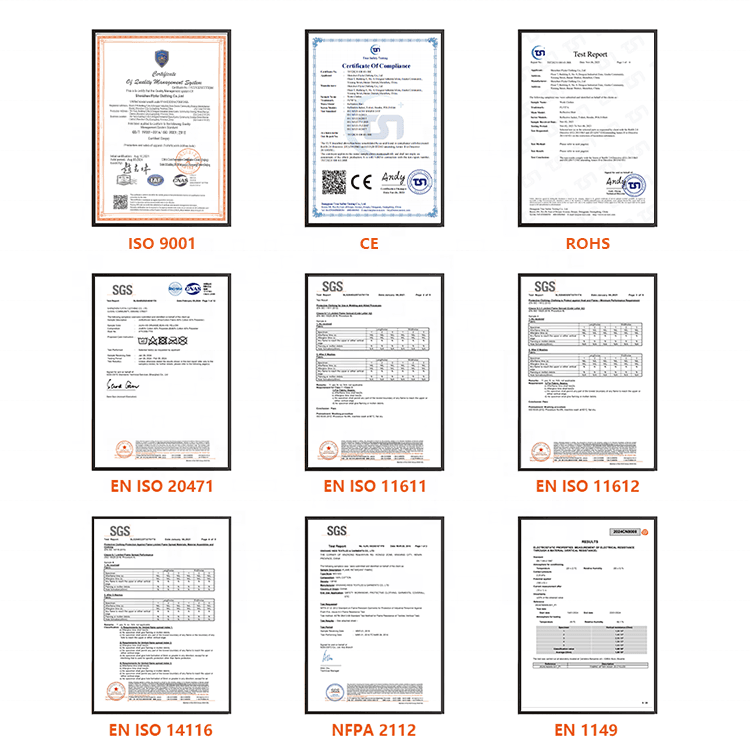
Download the checklist, RFQ template, and size sheet, then send quantities and standards through the quote form.
Related Tools
These tools help buyers convert the solution into sizing checks, compliance review, quantity planning, and a faster quote request.
Decode Type I vs Type II and Class G, Class E, and Class C before writing head protection into an RFQ.
Decode hard hatsTurn site conditions, hazards, and worker roles into a shortlist of PPE SKUs and a fast quote request.
Build a quoteConvert US, EU, UK, CN, and JP sizing and check width fittings before you lock in footwear specs.
Check sizing