


Standards
CE, EN, ANSI/ISEA and buyer-specific standard checks can be mapped before quoting.
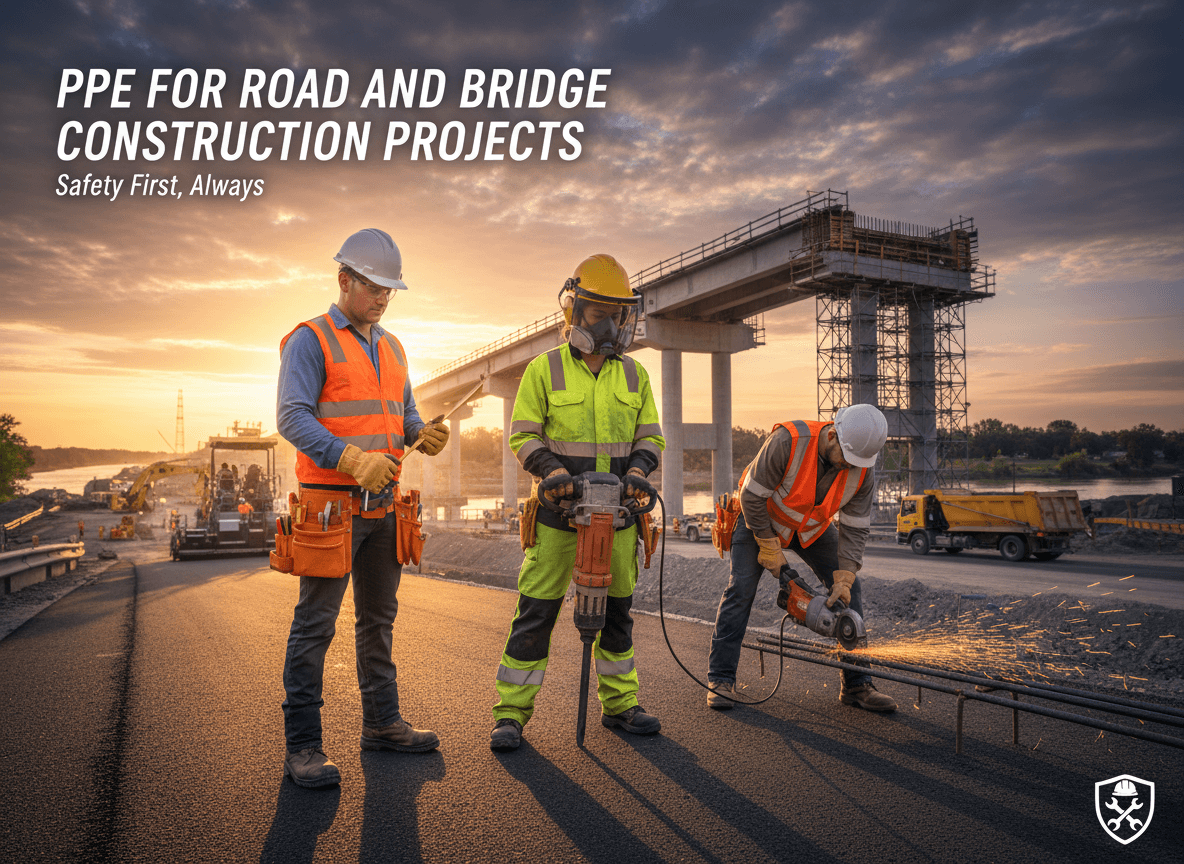
A procurement-focused PPE solution for road and bridge construction crews working around live traffic, dump trucks, rollers, pavers, bridge edges, concrete dust, asphalt heat, noise, and weather exposure. Covers hi-vis class selection, fall protection, head/eye/foot/hand protection, respiratory and hearing PPE, and bulk crew kits.
Road and bridge construction crews work in one of the most exposed construction environments: live traffic, internal equipment movement, bridge edges, changing light, asphalt heat, concrete dust, high noise, and long outdoor shifts. The PPE package has to make workers visible, stable, protected from impact, and ready for task-specific hazards:
Use this page as the roadwork and bridgework branch of the complete construction PPE system. For the wider category map, start with the Complete PPE solution for construction sites.
Fast buyer answer: live traffic and internal vehicle routes drive ANSI/ISEA 107 or EN ISO 20471 high-visibility apparel; night work adds reflective weather layers and task lighting; bridge edges add fall-protection planning; concrete cutting, milling, sweeping, and asphalt work add respiratory, eye, face, hearing, glove, and footwear decisions.
Road and bridge jobs should not be managed as a generic PPE order. Flaggers, paving crews, bridge deck crews, concrete cutting teams, equipment operators, inspectors, and ground laborers face different combinations of traffic, struck-by, fall, heat, dust, noise, and footwear hazards.
For related decisions, use the high-visibility clothing guide, fall protection solution, construction safety footwear guide, respiratory protection guide, hearing protection guide, and bulk construction PPE procurement guide.
| Hazard | Potential Injury | Required PPE |
|---|---|---|
| Public traffic and internal work-zone vehicles | Fatal or serious struck-by injury | Class 2 or Class 3 hi-vis, hard hat, safety boots, traffic-zone discipline |
| Flagging and traffic-control exposure | Worker struck by passing vehicles | High-visibility garment matched to MUTCD/ANSI requirements, helmet, boots, eye protection, weather layers |
| Dump trucks, rollers, pavers, loaders, and backing equipment | Crush, run-over, and caught-between injuries | Hi-vis garment, safety boots, helmet, clear communication, spotter PPE |
| Bridge edges, overpasses, formwork, and work over water | Falls to lower level, water, or traffic below | Guardrails or fall arrest system, rescue planning, helmet retention, anti-slip footwear |
| Concrete cutting, milling, sweeping, and drilling | Silica dust exposure, eye injury, hearing damage | Respirator where required, sealed eyewear, face protection, hearing protection, gloves |
| Asphalt paving and hot surfaces | Burns, heat stress, fume exposure, outsole damage | Heat-resistant gloves where needed, suitable footwear, respiratory review, cooling controls |
| High-noise equipment and pile-driving | Permanent hearing loss | Earplugs or earmuffs matched to exposure and communication needs |
| Wet concrete, cement slurry, sealants, and coatings | Chemical burns and skin irritation | Chemical-resistant gloves, waterproof boots, eye protection, task-specific coveralls |
| Night work, rain, fog, and low sun angle | Reduced visibility and higher struck-by risk | Class 3 or enhanced hi-vis system, reflective outerwear, anti-fog eyewear, task lighting |
| Rebar, debris, uneven aggregate, and temporary access | Punctures, slips, ankle injuries, foot crush | Puncture-resistant safety footwear with stable traction and toe protection |
Flaggers and traffic-control workers face direct exposure to passing traffic and internal work-zone vehicles. Their PPE must prioritize visibility, weather exposure, footwear stability, and clear role recognition.
Paving crews work around hot material, moving trucks, rollers, pavers, dust, fumes, and high noise. PPE should manage visibility, heat, burns, footwear durability, and hearing exposure.
Bridge crews combine roadwork visibility with elevated-work controls. The PPE system should connect fall protection, helmet retention, footwear grip, and dropped-object management.
Concrete road and bridge work often adds silica, splash, flying particles, hand injury, and noise to the traffic exposure.
Non-production roles still enter traffic zones, bridge decks, equipment routes, and active work areas. Their PPE should not be treated as optional because they are not operating tools.

Road and bridge product modules should not be a row of generic hi-vis vests. The recommendation should start with exposure zone, traffic speed, night work, bridge edge exposure, asphalt heat, concrete dust, noise, weather, and the exact task crew.
Road and bridge contractors should buy PPE by role and exposure zone, not as one generic highway vest package.
A traffic-control worker, bridge deck crew member, paving crew, concrete cutting team, and inspector may all need high visibility, but their fall, footwear, hand, eye, hearing, and respiratory needs differ.
Below are practical package examples for road and bridge projects:
Class 2 or Class 3 high-visibility garment matched to work-zone exposure
Construction hard hat or helmet selected by impact, electrical, and retention needs
UV-rated safety glasses; sealed goggles or face shield where dust, splash, or cutting is present
Safety boots with toe protection, puncture resistance, and slip-resistant outsole
Task-matched gloves for rebar, asphalt, wet concrete, tools, or general handling
Hearing protection for pavers, rollers, breakers, saws, compactors, and pile-driving
Respiratory protection where silica dust, asphalt fumes, coatings, or enclosed work create exposure
Fall protection for bridge, overpass, formwork, and exposed-edge work where guardrails or other controls are not enough
Flagger kit: Class 3 hi-vis garment, hard hat, safety boots, eye protection, weather-ready outerwear
Paving kit: hi-vis shirt or vest, heat/task gloves, durable safety boots, hearing protection, eye protection, respiratory review
Bridge deck kit: harness and connector, helmet with chin strap, anti-slip boots, hi-vis outer layer, tool lanyards
Concrete cutting kit: respirator where required, sealed goggles, face shield, hearing protection, cut/wet-cement gloves, puncture-resistant boots
Inspector kit: hi-vis garment, hard hat, safety boots, UV eye protection, fall protection for exposed edge access
Night work kit: Class 3 or enhanced hi-vis system, reflective rainwear, anti-fog eyewear, task lighting, hearing protection
OSHA Highway Work Zones
Road, bridge, tunnel, utility, and highway infrastructure workers face hazards from public traffic and construction vehicles inside work zones
OSHA 29 CFR 1926.201
Flagger signaling and warning garments must conform to MUTCD Part 6 requirements incorporated by reference
OSHA High-Visibility Interpretation
Workers exposed to public and construction traffic in highway or road work zones need high-visibility garments under OSHA enforcement guidance
MUTCD Part 6 / FHWA Work Zone Guidance
Temporary traffic-control worker visibility and work-zone planning requirements for highway rights-of-way
ANSI/ISEA 107 / EN ISO 20471
High-visibility safety apparel and international high-visibility clothing performance classes
OSHA 1926 Subpart M
Construction fall protection requirements for bridge, overpass, edge, and elevated work
OSHA 1926.1153 / OSHA 1910.134
Silica exposure and respiratory protection program requirements where dust or respirators are involved
ASTM F2413 / EN ISO 20345
Protective footwear specifications for toe impact, puncture resistance, slip resistance, and related jobsite hazards
Separate workers by exposure zone
Do not issue the same kit to flaggers, paving crews, bridge crews, concrete cutters, operators, and inspectors.
Specify hi-vis class and garment type
Define Class 2 vs Class 3, shirt vs vest vs jacket, rainwear, winter layers, and whether sleeves or pants are required.
Confirm fall exposure before ordering
Bridge edges, overpasses, formwork, temporary platforms, and work over water may need a complete fall protection package and rescue plan.
Plan respiratory and hearing protection early
Concrete dust, milling, asphalt fumes, saws, breakers, rollers, compactors, and pile-driving may require PPE plus program controls.
Build a footwear matrix
Road and bridge crews may need toe caps, puncture resistance, slip resistance, heat-resistant soles, waterproofing, or ladder/platform grip.
Package by crew and replacement cycle
Cartons should be labeled by role, size, project phase, night/day shift, and replacement stock so supervisors can issue PPE quickly.
The required high-visibility class depends on the work zone, traffic exposure, speed, light level, role, and applicable MUTCD/FHWA, OSHA, state DOT, or project requirements. Class 2 is common for many roadway workers, while Class 3 is typically used for higher-risk exposure such as flagging, night work, high-speed traffic, and complex mobile-equipment zones.
Yes, bridge construction often creates fall exposure at deck edges, overpasses, temporary platforms, formwork, and work over water or traffic. Guardrails may control some exposures, but personal fall arrest systems are often needed where guardrails or other controls are not enough.
It depends on the exposure. Concrete cutting, drilling, milling, sweeping, demolition, coatings, and some asphalt or enclosed work may require respiratory protection and a compliant respiratory protection program. Do not choose a respirator until the airborne hazard and work controls are understood.
Most road and bridge crews need protective footwear with toe protection, puncture resistance, slip resistance, and durable outsoles. Bridge, ladder, wet, asphalt, or concrete work may require additional features such as ankle support, waterproofing, heat resistance, or ladder grip.
Use breathable or weather-appropriate high-visibility clothing, vented head protection where the task allows, UV-rated eye protection, cooling or hydration procedures, and replacement garments that remain visible after sweat, dirt, rain, and repeated washing.
Yes. We can package PPE by role, size, shift, and project phase, including flagger kits, paving kits, bridge deck kits, concrete cutting kits, inspector kits, and night-work kits with documentation for bulk purchasing.
We supply road and bridge construction PPE kits including ANSI/ISEA 107 high-visibility clothing, helmets, safety footwear, gloves, hearing protection, respiratory PPE, fall protection, weather layers, and replacement stock with bulk pricing and compliance documents.
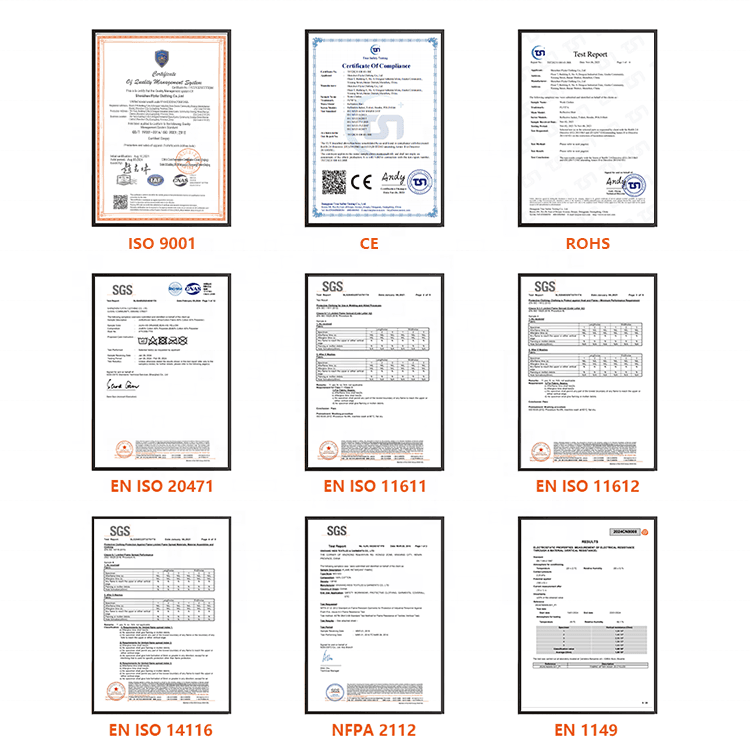
Review the required standards, certificate samples, document needs, and factory capability before confirming quantities, packaging, and delivery details.
CE, EN, ANSI/ISEA and buyer-specific standard checks can be mapped before quoting.
Certificate samples and product compliance files are available for qualified bulk buyers.
Use sample sheets, RFQ templates, and size standards before finalizing order quantities.
Direct factory supply with OEM/ODM support, inspection workflow, and repeat order handling.
Download the checklist, RFQ template, and size sheet, then send quantities and standards through the quote form.
Related Tools
These tools help buyers convert the solution into sizing checks, compliance review, quantity planning, and a faster quote request.
Turn site conditions, hazards, and worker roles into a shortlist of PPE SKUs and a fast quote request.
Build a quoteEstimate monthly usage, replacement cycles, and budget needs before you place a bulk PPE order.
Plan quantitiesDecode ASTM F2413 and EN ISO 20345 markings such as S3, SRC, HRO, EH, and PR in seconds.
Decode labels