



Standards
CE, EN, ANSI/ISEA and buyer-specific standard checks can be mapped before quoting.
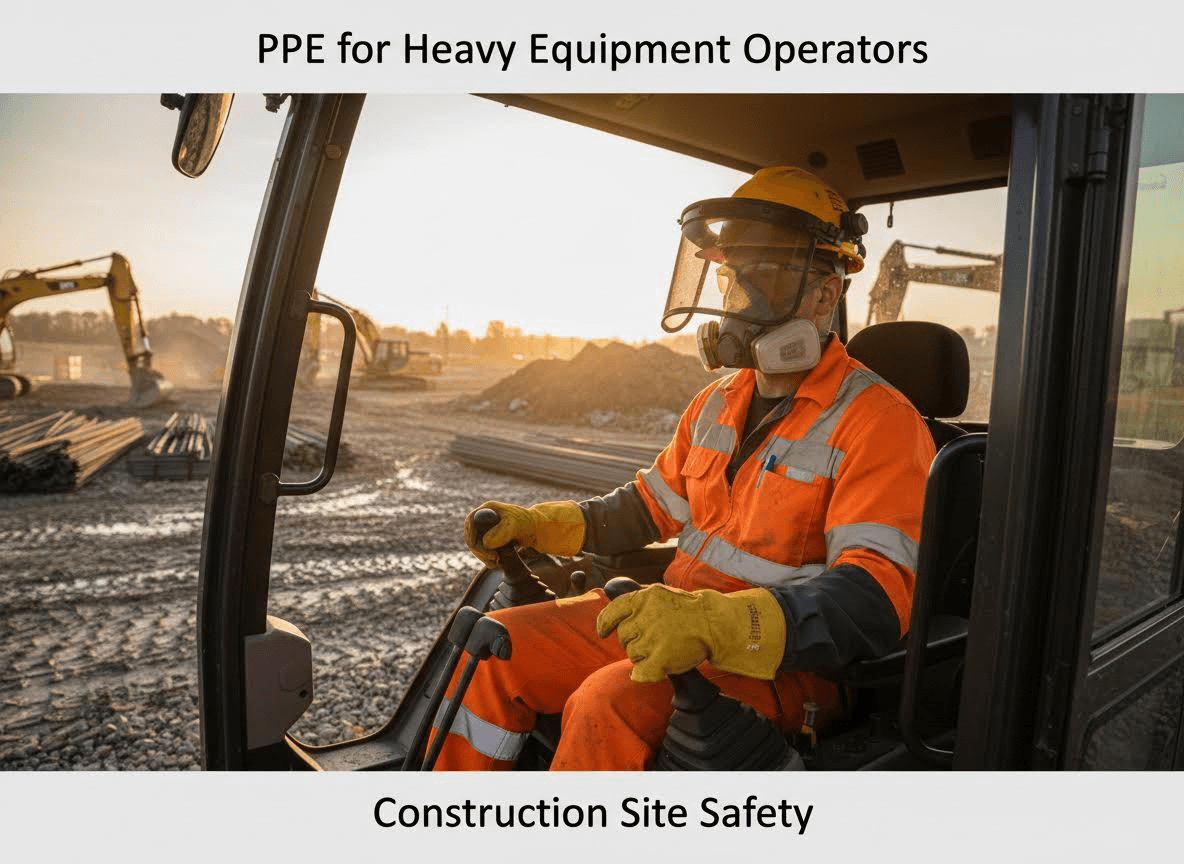
A practical PPE guide for excavator, loader, dozer, roller, crane support, dump truck, and compact-equipment operators, covering in-cab exposure, mount and dismount hazards, walk-around inspections, road and bridge work, demolition dust, noise, visibility, footwear, and eye protection.
The cab protects operators only part of the time. Risk changes when an operator climbs in or out, checks hydraulic lines, works near ground crews, opens the cab in dusty conditions, or moves between roadwork, bridge, and demolition zones. A usable operator PPE kit should cover both machine operation and the work that happens around the machine:
Use this guide for excavator, loader, dozer, roller, grader, paver, skid steer, telehandler, crane support, dump truck, and compact-equipment operators. It is written for safety managers, site supervisors, fleet teams, distributors, and procurement teams that need a repeatable PPE kit for operators who move between the cab and the jobsite.
For the wider jobsite framework, start with the construction site PPE solution. For work zones with traffic exposure, connect this page with PPE for road and bridge construction projects. For breakers, crushers, concrete removal, and debris handling, connect it with the demolition and concrete cutting PPE checklist and the demolition PPE solution.
| Work situation | Main exposure | PPE priorities |
|---|---|---|
| In-cab operation | Engine, hydraulic, compactor, paver, or breaker noise; dust if windows are open; vibration and fatigue | Hearing protection when exposure requires it, safety glasses for open windows, clean cab storage for spare PPE, seat belt and ROPS/FOPS controls |
| Mounting and dismounting | Muddy steps, worn treads, fuel or oil residue, uneven ground, and rushed entry or exit | Slip-resistant safety boots with a stable sole, gloves for handholds, and 3-point contact |
| Daily walk-around inspection | Sharp edges, hot surfaces, pressurized fluid, battery checks, damaged guards, suspended attachments, and site debris | Safety glasses or goggles, work gloves, safety helmet, and toe-protection footwear |
| Working near ground crews | Moving machines, blind spots, reversing vehicles, swinging loads, and poor communication | High-visibility clothing, safety helmet, hearing protection that still allows communication, and clear exclusion-zone rules |
| Road and bridge construction | Traffic, night work, reflective glare, lane changes, reversing trucks, compactors, pavers, rollers, and bridge-edge exposure | ANSI/ISEA 107 hi-vis apparel, hearing protection, anti-slip footwear, eye protection, and task-specific fall protection where required |
| Demolition and concrete breaking | Silica-containing dust, flying fragments, high impulse noise, unstable debris, rebar, crushed concrete, and open-cab exposure | Sealed goggles, hearing protection, cut-resistant gloves, safety boots, respiratory protection assessment, and helmet protection outside the cab |
| Fueling, minor maintenance, and attachment changes | Fuel splash, hydraulic oil, pinch points, hot components, sharp couplers, and poor traction around service areas | Chemical-splash eye protection where needed, gloves matched to the task, slip-resistant boots, and high-visibility clothing |
These operators need a compact kit that works when they leave the cab for walk-around inspection, attachment checks, spotter coordination, and fueling.
Visibility and communication become more important when machines work beside live traffic, night crews, reversing trucks, compactors, or bridge approaches.
Breaker, crusher, loader, and skid steer operators need stronger eye, hearing, hand, and respiratory planning because debris and dust can enter the cab or affect tasks outside the machine.
Operators who leave the cab around loads, riggers, signal persons, and staging areas need PPE that improves visibility and protects against falling-object and struck-by exposure.

| Task | Baseline PPE | When to add protection |
|---|---|---|
| Operating from an enclosed cab | Hearing protection if required by noise assessment, seat belt, clean cab storage for PPE | Eye protection if windows are open or the cab is dusty; climate and hydration planning |
| Operating from an open cab or damaged cab | Safety glasses or goggles, hearing protection, hi-vis clothing, safety boots | Respiratory protection review for dust, silica, smoke, or sweeping exposure |
| Climbing in or out of the machine | Slip-resistant safety boots, gloves for handholds, hi-vis clothing | Replace worn steps, keep access points clean, and reinforce 3-point contact |
| Walk-around inspection | Safety glasses, gloves, safety helmet, safety boots | Use goggles or splash protection for fluid, battery, or pressure-check tasks |
| Working beside traffic or bridge approaches | High-visibility apparel, hearing protection, safety boots, eye protection | Upgrade visibility for night work, low light, rain, and multi-machine areas |
| Demolition, breaker, crusher, or concrete removal | Sealed goggles, hearing protection, gloves, safety boots, helmet outside the cab | Respirator selection should follow the dust and silica control plan |
| Fueling, greasing, and attachment changes | Gloves, eye protection, safety boots, hi-vis clothing | Add chemical-splash protection where fuel, oil, battery, or cleaning chemicals are handled |
A useful operator kit should not be built only for the person sitting in the cab. It should cover the moments when the operator leaves the machine, inspects attachments, coordinates with ground crews, walks through a traffic zone, or works around demolition debris.
For mixed construction fleets, combine high-visibility apparel, hearing protection, slip-resistant safety footwear, anti-fog eye protection, helmet protection for ground tasks, and work gloves for inspection and minor service work.
The products below are selected to support heavy equipment operator kits and to connect this page with the road/bridge and demolition PPE clusters.
Build a standard cab kit that includes hi-vis apparel, hearing protection, safety glasses or goggles, gloves, and a helmet or hard hat for ground-level work.
Separate in-cab exposure from outside-cab exposure. The cab may reduce some hazards, but it does not protect the operator during inspection, fueling, traffic-zone movement, or emergency exit.
Match hearing protection to both noise reduction and communication. Operators still need to hear alarms, radios, spotters, and emergency instructions.
Choose anti-fog eye protection for humid cabs, cold mornings, open windows, concrete dust, and demolition debris.
Specify footwear for steps, pedals, gravel, asphalt, mud, rebar, bridge decks, and oily service areas rather than buying only by toe-cap type.
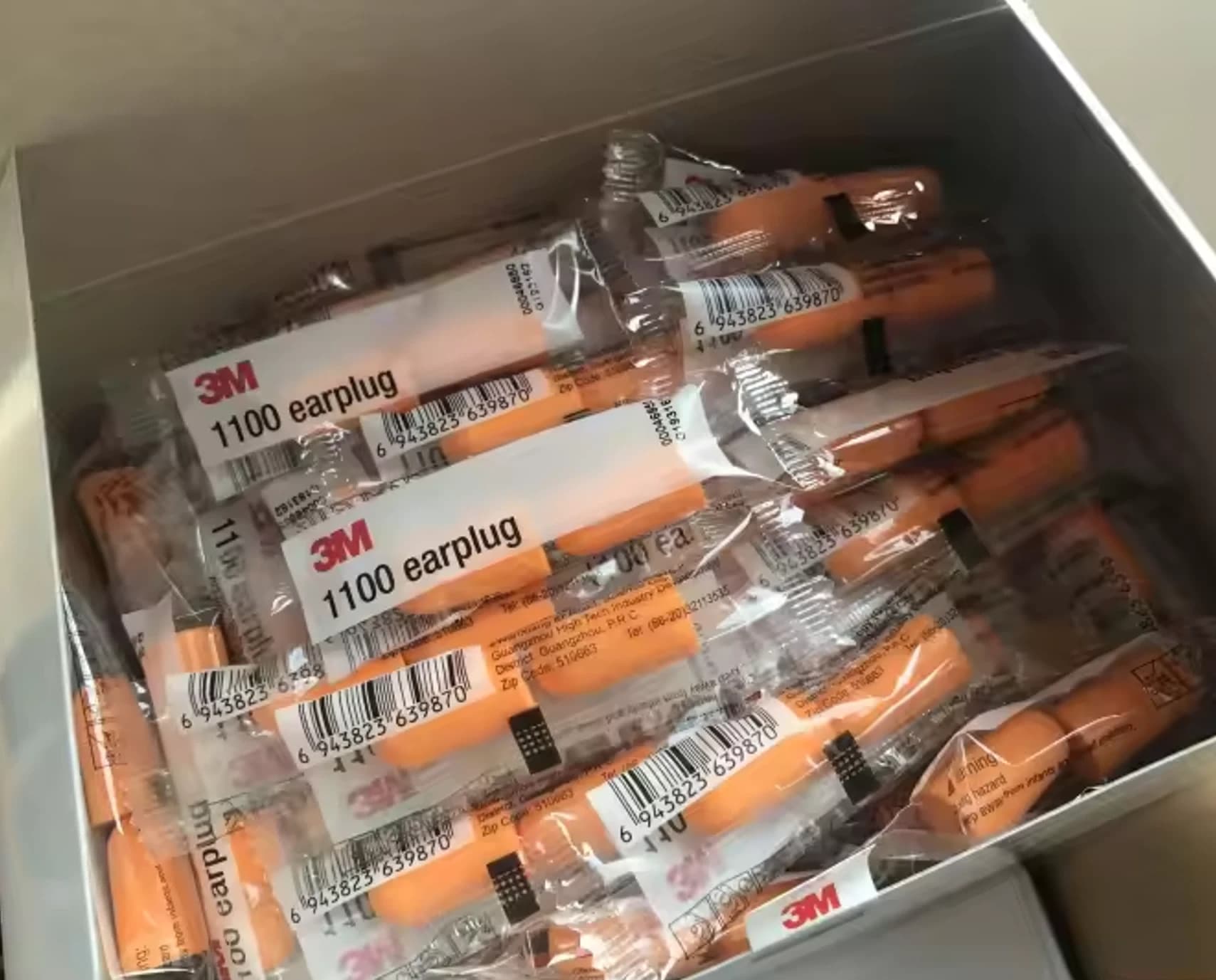
Keep replacement earplugs, eyewear, gloves, and hi-vis garments available for day shift, night shift, subcontractors, and visiting operators.
Document where respiratory protection is required. Dust masks and respirators should follow the site's exposure assessment, fit, training, and applicable respiratory-protection requirements.
OSHA 29 CFR 1926 Subpart O
Construction rules for motor vehicles, mechanized equipment, material handling equipment, and site equipment operation. This is the starting point for machine guarding, equipment condition, and safe operation controls.
OSHA 29 CFR 1926.52
Construction noise requirements apply when operator exposure reaches regulated limits. Hearing protection should be based on measured exposure, equipment type, and shift duration.
ANSI/ISEA 107
High-visibility apparel should match traffic exposure, jobsite visibility, night work, road and bridge activity, and site owner requirements.
ASTM F2413 / EN ISO 20345
Footwear specifications should consider impact, compression, puncture, slip resistance, outsole traction, ankle support, and site ground conditions.
ANSI Z87.1 / EN166
Eye and face protection should match dust, wind, flying particles, splashes, grinding, demolition debris, and anti-fog requirements.
Machine and cab controls
ROPS, FOPS, seat belts, mirrors, cameras, alarms, cab integrity, and maintenance are not PPE substitutes. They are machine controls that must work together with operator PPE.
Sometimes. The cab may reduce dust, flying debris, and weather exposure, but it does not automatically remove noise exposure or emergency exit requirements. Operators also need PPE available for inspections, fueling, communication with ground crews, and any task outside the cab.
Hearing protection should be based on measured or assessed noise exposure. Breakers, compactors, pavers, dozers, loaders, and demolition equipment can create sustained or impulse noise that requires hearing controls.
Choose safety boots or shoes with toe protection, slip resistance, stable traction, and enough support for machine steps, pedals, gravel, wet decks, asphalt, mud, and oily service areas. For demolition or rebar exposure, add puncture protection.
Use sealed or close-fitting goggles when dust, wind, concrete fragments, demolition debris, or open-cab operation can bypass standard safety glasses. Anti-fog performance matters because operators move between warm cabs and outdoor conditions.
Visibility, communication, hearing protection, and footwear become more important because operators work around traffic, reversing trucks, rollers, pavers, bridge decks, low light, and multiple moving machines.
Demolition adds dust, silica, flying debris, sharp rebar, high impulse noise, and unstable walking surfaces. Operators usually need stronger eye protection, hearing protection, gloves, footwear, and a respiratory protection review.
We supply PPE kits for heavy equipment operators including hearing protection, hi-vis clothing, safety boots, inspection gloves, and cab storage bags with bulk pricing.
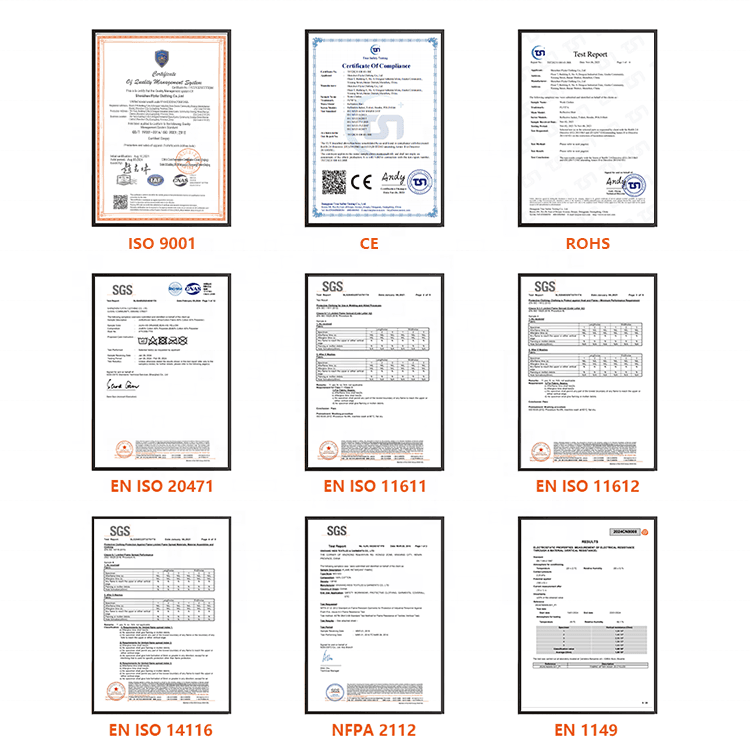
Review the required standards, certificate samples, document needs, and factory capability before confirming quantities, packaging, and delivery details.
CE, EN, ANSI/ISEA and buyer-specific standard checks can be mapped before quoting.
Certificate samples and product compliance files are available for qualified bulk buyers.
Use sample sheets, RFQ templates, and size standards before finalizing order quantities.
Direct factory supply with OEM/ODM support, inspection workflow, and repeat order handling.
Download the checklist, RFQ template, and size sheet, then send quantities and standards through the quote form.
Related Tools
These tools help buyers convert the solution into sizing checks, compliance review, quantity planning, and a faster quote request.
Turn site conditions, hazards, and worker roles into a shortlist of PPE SKUs and a fast quote request.
Build a quoteConvert US, EU, UK, CN, and JP sizing and check width fittings before you lock in footwear specs.
Check sizingDecode ASTM F2413 and EN ISO 20345 markings such as S3, SRC, HRO, EH, and PR in seconds.
Decode labels