


Standards
CE, EN, ANSI/ISEA and buyer-specific standard checks can be mapped before quoting.
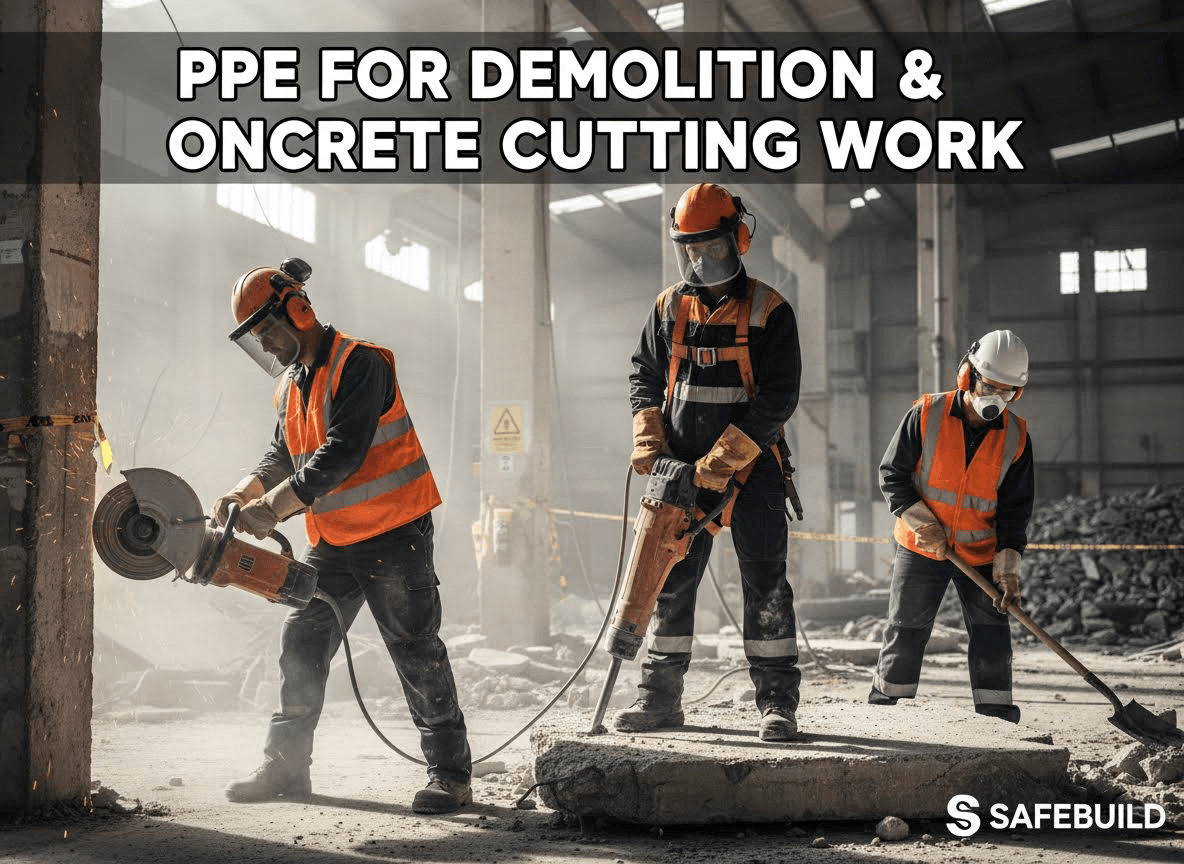
Demolition and concrete cutting combine silica dust, flying fragments, high noise, vibration, sharp debris, struck-by hazards, and changing structural conditions. This solution helps contractors specify PPE by demolition method, concrete-cutting task, and crew role.
Demolition and concrete cutting are not ordinary general-labor tasks. The PPE package has to account for respirable crystalline silica, flying fragments, high noise, hand-arm vibration, sharp debris, falling objects, changing structural conditions, traffic from equipment, and reduced visibility from dust or water spray.
Demolition and concrete cutting crews need PPE that matches the method statement, not just a standard site issue list. Contractors can use this guide with the complete construction PPE solution to turn silica dust, impact, noise, slurry, sharp edges, and falling-object hazards into practical crew kits.
For task-specific selections, cross-check the construction respiratory protection guide, eye and face protection guide, construction gloves guide, hearing protection guide, construction safety footwear guide, and bulk construction PPE procurement guide.
| Hazard | Where it appears | PPE response |
|---|---|---|
| Respirable crystalline silica | Concrete cutting, grinding, drilling, chipping, jackhammering, sweeping debris | Respirator selected under OSHA silica controls, P100 or other approved filters where required, fit testing, eye compatibility, filter change routine |
| Flying fragments and dust | Sawing, chipping, breaking, grinding, drilling, debris loading | Impact-rated safety glasses, sealed goggles, face shield over eye protection, replacement plan for scratched lenses |
| High noise | Cut-off saws, breakers, hammer drills, excavator-mounted tools, loaders, crushers | Earplugs, earmuffs, or dual protection selected around noise level, communication, helmet compatibility, and replacement stock |
| Hand-arm vibration and tool handling | Jackhammers, breakers, saws, grinders, compactors | Anti-vibration gloves where appropriate, grip gloves, task rotation, tool maintenance, and exposure control |
| Sharp edges, rebar, wire, and mixed debris | Sorting rubble, pulling reinforcing steel, loading skips, cleanup | Cut-resistant gloves, puncture-resistant footwear, metatarsal protection, durable workwear |
| Falling objects and struck-by hazards | Overhead demolition, mechanical demolition, loading, exclusion zones | Helmet or hard hat selected for impact and retention, hi-vis clothing, controlled access, equipment visibility |
| Wet cutting, slurry, and unstable footing | Wet saws, coring, floor cutting, washdown, outdoor work | Slip-resistant waterproof footwear, wet-grip gloves, waterproof outer layer that does not block visibility or harness access |
| Legacy hazards | Renovation and older structures with possible asbestos, lead paint, coatings, or contamination | Do not treat as ordinary demolition PPE; require survey, abatement method, containment, task-specific respirators, suits, and decontamination process |
This is a silica, eye/face, hearing, wet footing, and hand-control problem before it is a simple saw-operator PPE problem. Wet cutting or dust collection must be treated as a control system, not as a substitute for PPE planning.
Breaker work concentrates vibration, noise, flying chips, silica dust, and foot impact. The PPE package must protect the operator and nearby helpers, not only the person holding the tool.
Interior demolition often mixes dust, sharp materials, confined access, legacy coatings, glass, nails, and poor lighting. Before PPE is specified, survey for asbestos, lead, and other regulated materials.
Ground crews, spotters, and cleanup teams are often exposed to dust clouds, moving machinery, unstable debris, sharp metal, and changing exclusion zones.
When demolition creates openings, exposed edges, scaffold interfaces, or unstable access, PPE must connect to fall protection and rescue planning.

Demolition product recommendations should not be a generic heavy-duty PPE list. Start with the demolition method, the material being cut or removed, the silica control method, whether the work is indoors or outdoors, the equipment interface, and whether workers are handling debris after the cut.
A strong procurement package usually separates saw operators, breaker operators, debris handlers, spotters, supervisors, and elevated-work crews. Each role may share a baseline helmet, footwear, hi-vis, and eye protection, but respirator, glove, hearing, face shield, and fall-protection requirements can differ sharply.
Use the kit examples below as RFQ structure. Final PPE selection should follow the competent person review, silica plan, demolition engineering survey, noise assessment, and site-specific method statement.
Concrete saw operator kit
Respirator selected by silica controls, sealed goggles, face shield, hearing protection, wet-grip cut-resistant gloves, slip-resistant safety boots, and waterproof or hi-vis outer layer.
Breaker and chipping kit
Respirator, impact goggles, face shield, hearing protection, anti-vibration or grip gloves, metatarsal or heavy-duty safety boots, and helmet or hard hat selected for impact exposure.
Debris handling kit
Cut-resistant gloves, puncture-resistant boots, safety glasses or goggles, helmet, hi-vis garment, and respiratory protection where residual dust remains controlled by the program.
Interior renovation kit
Task-specific respirator, goggles, cut-resistant gloves, puncture-resistant footwear, head protection, lighting, and protective clothing after legacy-material survey.
Spotter and equipment interface kit
High-visibility clothing, hard hat or helmet, safety footwear, eye protection, hearing protection where needed, and communication equipment compatible with PPE.
Elevated demolition kit
Fall protection system, helmet retention, tool tethering, anti-slip footwear, task gloves, eye protection, and a rescue plan matched to the access method.
Separate cutting, breaking, strip-out, debris handling, and elevated work
Do not issue one demolition kit to every worker if the exposure profile changes by task.
Confirm the silica control path
State whether the task follows OSHA Table 1 controls or an exposure-assessment path, then specify respirators, filters, fit testing, cleaning, and storage around that decision.
Plan eye, face, and respiratory compatibility together
Goggles, face shields, full-face respirators, half masks, earmuffs, and helmet accessories can interfere with each other if selected separately.
Specify noise and communication requirements
Choose plugs, muffs, dual protection, or communication headsets based on actual equipment and supervision needs.
Buy gloves by task, not by trade name
Concrete cutting, rebar handling, wet slurry, jackhammering, and debris cleanup need different glove performance.
Include replacement stock
Dust, slurry, scratched lenses, saturated filters, worn gloves, and damaged boot soles create fast PPE turnover on demolition projects.
Keep documents with the kit
Store standards, certifications, test reports, fit-test records, respirator program records, and issue history so site supervisors can prove the PPE program is controlled.
OSHA 1926.1153
Respirable crystalline silica in construction, including Table 1 control methods, exposure limits, respiratory protection triggers, medical surveillance, and written exposure control planning.
OSHA 1926 Subpart T
Demolition requirements, including preparatory operations and the engineering survey before demolition begins.
OSHA 1926.103
Construction respiratory protection requirements, including the respirator program, fit testing, medical evaluation, training, cleaning, storage, and selection.
OSHA 1926.52
Construction occupational noise exposure and hearing conservation requirements.
OSHA 1926.102
Construction eye and face protection requirements and recognized eye/face protection standards.
OSHA 1926.95 and 1926.96
General construction PPE criteria, proper fit, and safety footwear requirements.
OSHA 1926.1101
Asbestos in construction. Older demolition and renovation work requires survey and abatement planning before ordinary demolition PPE is selected.
ANSI/ISEA, ASTM, EN and ISO standards
Use relevant markings for eye/face protection, footwear, gloves, head protection, hearing protection, respirators, hi-vis clothing, and vibration-related glove claims.
It depends on the cutting method, duration, location, and control path. OSHA 1926.1153 Table 1 specifies engineering controls and respiratory protection for common silica-generating tasks. If the employer does not follow Table 1, exposure assessment and a compliant respiratory protection program are required.
Often no. Concrete cutting, chipping, grinding, and breaking can require sealed goggles and a face shield because ordinary safety glasses leave gaps and do not protect the whole face from fragments or slurry.
Frequently yes. Breakers, saws, drills, demolition attachments, and heavy equipment can exceed safe exposure levels. OSHA 1926.52 requires protection and hearing conservation controls when construction noise exposure exceeds the regulatory limits.
No. Gloves may help with comfort and some vibration transmission, but vibration risk also depends on tool choice, maintenance, trigger time, grip force, and task rotation. Treat gloves as one part of a broader vibration-control plan.
Older structures may contain asbestos, lead, silica-containing materials, chemical residues, mold, or contaminated dust. A survey and abatement plan should come before ordinary demolition PPE selection.
A baseline kit is useful, but it should be split by role: saw operator, breaker operator, debris handler, spotter, interior strip-out worker, and elevated demolition crew. Each role changes respirator, glove, eye/face, hearing, footwear, and fall-protection needs.
We help contractors and distributors build demolition PPE packages for silica dust, concrete cutting, breaking, debris handling, noise, eye/face hazards, gloves, footwear, hi-vis, and role-based site issue. Bulk supply and documentation-ready sourcing are available.
Review the required standards, certificate samples, document needs, and factory capability before confirming quantities, packaging, and delivery details.
CE, EN, ANSI/ISEA and buyer-specific standard checks can be mapped before quoting.
Certificate samples and product compliance files are available for qualified bulk buyers.
Use sample sheets, RFQ templates, and size standards before finalizing order quantities.
Direct factory supply with OEM/ODM support, inspection workflow, and repeat order handling.
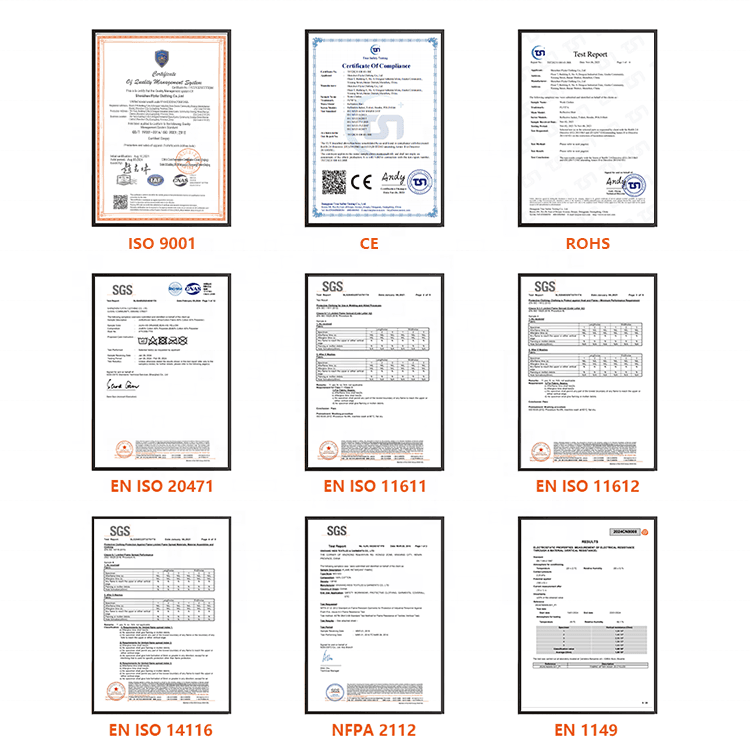
Download the checklist, RFQ template, and size sheet, then send quantities and standards through the quote form.
Related Tools
These tools help buyers convert the solution into sizing checks, compliance review, quantity planning, and a faster quote request.
Turn site conditions, hazards, and worker roles into a shortlist of PPE SKUs and a fast quote request.
Build a quoteEstimate monthly usage, replacement cycles, and budget needs before you place a bulk PPE order.
Plan quantitiesDecode ASTM F2413 and EN ISO 20345 markings such as S3, SRC, HRO, EH, and PR in seconds.
Decode labels