


Standards
CE, EN, ANSI/ISEA and buyer-specific standard checks can be mapped before quoting.
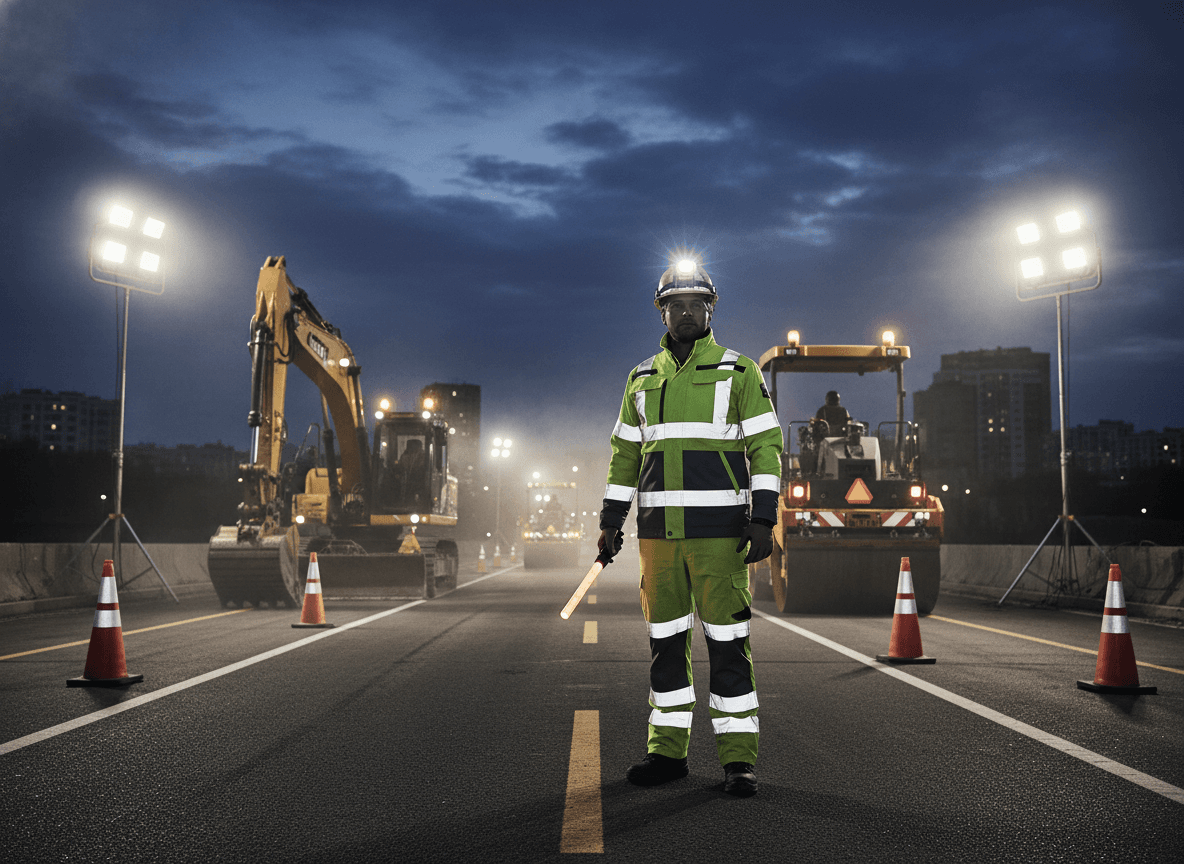
A practical PPE solution for night construction, low-light work, fog, rain, tunnels, roadwork, bridge work, demolition, and equipment zones. Covers hi-vis class selection, reflective rainwear, task lighting, clear eye protection, hearing protection, footwear, helmets, and role-based night work kits.
Night construction changes the risk profile of a site. Workers are harder to see, drivers and equipment operators have less reaction time, wet surfaces are harder to judge, and communication is often worse because of lighting towers, generators, compactors, and traffic. A night-work PPE kit should make each worker visible from multiple angles, keep their footing stable, protect eyes from dust and glare, and preserve communication in high-noise zones.
Use this page as a buying and planning checklist for night shifts, pre-dawn starts, tunnels, underpasses, winter afternoons, fog, rain, dust, and other low-visibility construction conditions. It complements the detailed high-visibility clothing guide, hearing protection guide, safety footwear guide, and eye and face protection guide.
The final kit should still follow the project hazard assessment, local regulations, client specifications, traffic control plan, and the standards named by the buyer. For public road or bridge work, review this together with the road and bridge construction PPE solution. For machine crews, pair it with the heavy equipment operator PPE checklist.
| Night work condition | Main exposure | PPE response |
|---|---|---|
| Workers on foot near reversing equipment | Struck-by and crush exposure | High-visibility jacket or vest, reflective helmet markings, task lighting, and radio-compatible hearing PPE where needed |
| Lane closures, flagging, and traffic control | Vehicle approach from multiple angles | Roadway-rated hi-vis garments, reflective rainwear, clean retroreflective tape, and clear role identification |
| Bridge decks, ramps, scaffolds, and uneven ground | Trips, slips, falls, and edge exposure | Slip-resistant safety footwear, head protection, fall protection where required, and compact lighting that does not blind co-workers |
| Concrete cutting, demolition, milling, and compacting | Noise, dust, flying fragments, and reduced line of sight | Clear safety glasses or goggles, hearing protection, gloves, respirators where required, and high-contrast clothing |
| Rain, fog, snow, spray, and mud | Low contrast, wet grip loss, and garment cover-up | Reflective rainwear, waterproof boots, anti-fog eyewear, and replacement dry gloves or liners |
Public road, bridge, and traffic exposure
Use the project traffic control plan and buyer specification to choose the garment class, color, and tape layout. Night road crews often need sleeves or full upper-body conspicuity rather than a simple daytime vest.
Plant-heavy zones
Where excavators, loaders, dump trucks, cranes, rollers, or telehandlers operate after dark, choose garments that remain visible when a worker bends, turns, carries tools, or faces away from the operator.
Weather layers
Rain jackets, thermal jackets, and coveralls must carry their own compliant reflective layout. A non-reflective raincoat worn over a vest removes the protection the vest was meant to provide.
Color and contrast
Fluorescent yellow-green and orange-red solve different background problems. Choose the color that contrasts with vehicles, barriers, asphalt, concrete, soil, and existing site lighting.
Inspection and replacement
Dirty, cracked, torn, or heavily abraded retroreflective tape should be replaced. Keep spare vests and jackets on night projects so damaged garments do not stay in service.
Highest vehicle visibility requirement and frequent weather exposure.
Visibility must work together with fall protection and edge controls.
The operator needs cab-compatible PPE, while the spotter needs maximum visibility.
Night visibility must be layered with dust, fragment, and noise protection.
High-visibility apparel
Choose vests, jackets, pants, rainwear, and coveralls around the work zone, not only the worker title. See the construction hi-vis buying guide for class, color, and tape selection.
Head protection and helmet visibility
Use helmets that fit with lamps, earmuffs, visors, chin straps, and reflective decals or covers. Avoid attachments that weaken retention or block the suspension system.
Clear eye protection
Tinted lenses can reduce vision at night. Use clear anti-fog safety glasses or goggles unless the task specifically requires another lens. For grinding or cutting, add face protection over primary eye protection.
Hearing protection
Night projects often rely on generators, compressors, compactors, saws, and milling machines. Select earplugs, earmuffs, or communication headsets that protect hearing without breaking site communication.
Safety footwear
Prioritize slip resistance, toe protection, puncture resistance, waterproofing, ankle support, and ladder or machine-step grip. Wet asphalt, slurry, bridge decks, and gravel shoulders need different outsole choices.
Task lighting and active visibility
Headlamps, helmet lamps, clip lights, and LED vests can help in dark zones, but they must be positioned so they do not blind operators, drivers, or co-workers.
The products below are linked from existing active product pages and cover the core night-work categories: hi-vis clothing, reflective rainwear, helmets, clear eye protection, hearing protection, and slip-resistant footwear. Use them as a starting kit, then adjust sizes, standards, colors, and documentation to the project specification.
For a single project order, split the bill of materials by role: traffic crew, bridge/deck crew, equipment support, demolition or cutting crew, supervisors, and visitors. This keeps high-risk night workers from receiving the same basic kit as low-exposure visitors.
| Specification item | What to confirm before ordering | Why it matters at night |
|---|---|---|
| Hi-vis class and garment type | Vest, jacket, pants, rainwear, coverall, or full set | Workers may bend, kneel, carry tools, or wear outer layers that hide a vest |
| Color and reflective layout | Yellow-green or orange-red, tape width, tape placement, and role markings | Contrast changes against asphalt, barriers, vehicles, soil, and concrete |
| Weather rating | Rain, cold, breathability, waterproof seams, and replacement dry layers | Wet reflective tape and covered garments reduce visibility and comfort |
| Footwear outsole | Slip resistance on asphalt, gravel, bridge deck, mud, slurry, oil, and machine steps | Trips and slips increase when workers cannot judge surfaces clearly |
| Eye and hearing compatibility | Clear anti-fog lenses, earmuffs or plugs, helmet slots, radios, and respirators | Night work often combines glare, dust, high noise, and communication needs |
| Replacement stock | Spare vests, lamps, batteries, eyewear, gloves, earplugs, and boot sizes | A damaged garment or dead lamp should not remove a worker from compliance |
ANSI/ISEA 107 or EN ISO 20471 high-visibility apparel
Confirm the required standard, class, garment type, color, and markings before ordering. Public roadway projects and private construction sites can have different requirements.
Local traffic control requirements
Night lane closures, flagging, and mobile operations may define additional garment, lighting, helmet, or role-identification rules. Follow the project traffic plan and authority requirements.
EN 397, ANSI Z89.1, EN 166, ASTM F2413, or other PPE standards
Match helmets, eyewear, footwear, gloves, and hearing protection to the standards requested by the buyer and the hazards found in the assessment.
Certificates and technical files
For bulk procurement, request declarations, test reports, size charts, care instructions, and packaging or labeling requirements early, especially when multiple countries or contractors are involved.
Not always. A basic vest may be acceptable for low-exposure visitors, but night construction around traffic, equipment, rain, or poor contrast often needs a higher visibility class, sleeves or full-body coverage, reflective rainwear, and role-specific markings.
Usually no. Clear anti-fog lenses are normally preferred for night work unless a specific task requires a different lens. For flying particles or dust, use goggles or add a face shield over primary eye protection.
Yes. Operators need footwear, eyewear, gloves, and hearing protection that work inside and outside the cab. Spotters need stronger visibility and communication compatibility. Use the heavy equipment operator solution when building operator kits.
Replace it when the background fabric is faded or dirty, reflective tape is cracked or peeling, closures fail, or the garment no longer returns light effectively. Washing, UV exposure, abrasion, mud, and concrete dust all shorten service life.
Yes. Laifappe can help source role-based night construction PPE kits including hi-vis clothing, reflective rainwear, helmets, clear eyewear, hearing protection, gloves, safety footwear, and documentation for bulk orders.
Send the project type, country or standard requirement, worker roles, weather conditions, and estimated quantities. We can help map the kit to hi-vis, rainwear, eyewear, hearing protection, helmets, footwear, and replacement stock.
Review the required standards, certificate samples, document needs, and factory capability before confirming quantities, packaging, and delivery details.
CE, EN, ANSI/ISEA and buyer-specific standard checks can be mapped before quoting.
Certificate samples and product compliance files are available for qualified bulk buyers.
Use sample sheets, RFQ templates, and size standards before finalizing order quantities.
Direct factory supply with OEM/ODM support, inspection workflow, and repeat order handling.
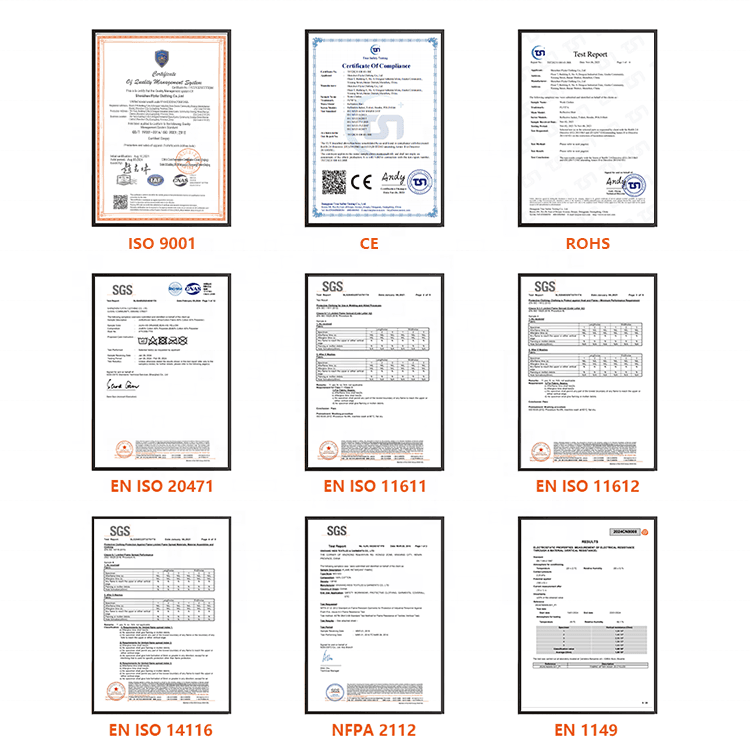
Download the checklist, RFQ template, and size sheet, then send quantities and standards through the quote form.
Related Tools
These tools help buyers convert the solution into sizing checks, compliance review, quantity planning, and a faster quote request.
Decode Type I vs Type II and Class G, Class E, and Class C before writing head protection into an RFQ.
Decode hard hatsTurn site conditions, hazards, and worker roles into a shortlist of PPE SKUs and a fast quote request.
Build a quoteConvert US, EU, UK, CN, and JP sizing and check width fittings before you lock in footwear specs.
Check sizing