


Standards
CE, EN, ANSI/ISEA and buyer-specific standard checks can be mapped before quoting.
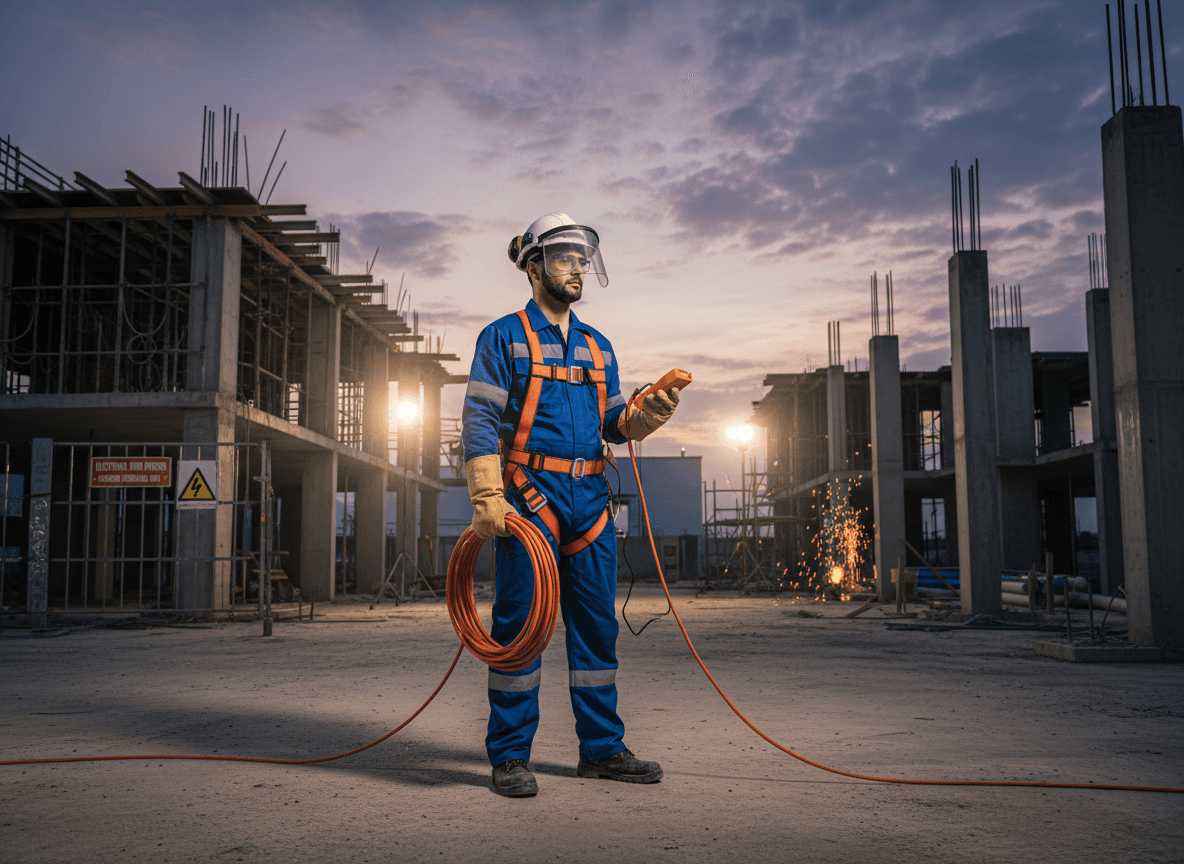
Electrical installation on construction sites combines shock, arc flash, temporary power, work-at-height, falling-object, dust, and tool hazards. This procurement guide helps contractors specify electrical PPE without losing the rest of the construction PPE system.
Electricians and electrical installers on construction sites face a dual hazard profile: shock and arc flash risks from temporary or permanent electrical systems, plus ordinary construction risks such as falls, falling objects, sharp materials, dust, noise, and vehicle movement. Their PPE package has to cover both sides at the same time:
Electrical installation crews need ordinary construction PPE plus task-specific protection for shock, arc exposure, drilling dust, overhead work, and panel or cable handling. Contractors can use this guide alongside the complete construction PPE solution when building role-based PPE kits for electrical teams.
For compliance and purchasing details, cross-check the OSHA PPE requirements for construction guide, the construction PPE checklist, the hard hat types guide, and the bulk construction PPE procurement guide.
| Hazard | Potential injury | PPE response |
|---|---|---|
| Contact with energized conductors or parts | Shock, burns, electrocution | Voltage-rated rubber insulating gloves, protectors, insulating equipment, and verified work controls |
| Arc flash during testing, switching, or fault conditions | Thermal burns, blast injury, eye and face injury | Arc-rated clothing, face shield or hood, balaclava, gloves, hearing protection, and task-specific boundaries |
| Temporary power, cords, panels, and wet work areas | Shock, trip hazards, damaged insulation exposure | Electrical review, EH-rated or suitable footwear, dry storage, gloves where required, and damaged-equipment removal |
| Cable tray, lighting, conduit, and overhead installation | Falls, dropped tools, head impact | Fall protection, helmet retention, tool lanyards, Class E head protection where electrical exposure exists |
| Cable pulling, conduit, tray, and metal edge handling | Cuts, punctures, abrasion, pinch injuries | Cut-resistant electrician gloves for de-energized handling; voltage-rated gloves only when the electrical exposure requires them |
| Drilling, anchoring, cutting, and rough-in work | Flying debris, dust, noise | Safety glasses or goggles, hearing protection, respiratory review, and task-matched gloves |
| Electrical rooms, switchgear areas, and commissioning zones | Restricted escape, arc-flash exposure, heat buildup | Arc-rated PPE where required, controlled access, lighting, communication, and emergency planning |
| Work near public traffic, plant, or exterior utility interfaces | Struck-by hazards and visibility failures | High-visibility clothing, hard hat or helmet, safety footwear, and site traffic controls |
Most early-stage construction electrical work is dominated by sharp edges, overhead debris, dust, kneeling, pulling force, and tool handling. Ordinary work gloves are not a substitute for voltage-rated gloves when energized contact is possible.
Live or potentially energized work should be avoided unless justified and controlled. When it is performed, PPE should follow the employer electrical safety program, equipment labels, incident-energy analysis, or applicable NFPA 70E task method.
Elevated electrical installation needs fall protection that remains compatible with electrical PPE, tool carrying, helmet retention, and rescue planning.
Testing and commissioning often create the highest electrical exposure because panels may be open and systems may be energized. PPE should match the equipment label, work method, and documented risk assessment.

Electrical product modules should separate ordinary construction handling PPE from true electrical protective equipment. A cut-resistant electrician glove, a rubber insulating glove system, an arc-rated face shield, and a Class E helmet solve different problems and should not be merged into one generic recommendation.
Electrical contractors should not buy one generic electrician kit for every construction task. Separate de-energized rough-in work, energized troubleshooting, temporary power work, commissioning, elevated cable tray work, and road or exterior utility interfaces.
The safest procurement pattern is to build a baseline construction electrician kit, then add voltage-rated, arc-rated, fall, respiratory, hearing, or weather components only when the task requires them.
Below are the PPE categories procurement teams usually need to define before requesting a quote:
Class E hard hat or safety helmet where electrical exposure is possible
Safety glasses with side shields, with goggles or face protection where the task requires it
Cut-resistant electrician gloves for de-energized material handling
Voltage-rated rubber insulating gloves and protectors where energized exposure exists
Safety footwear matched to toe, puncture, slip, ladder, wet-ground, and electrical-hazard needs
Arc-rated clothing where the task assessment requires it
Fall protection, tool lanyards, hearing protection, or respiratory protection added by task
Define the work state
Separate de-energized rough-in, temporary power, energized troubleshooting, switching, commissioning, and elevated installation.
Control glove specification
Specify voltage-rated glove class, protectors, liners, storage bags, inspection routine, test-date records, and replacement handling.
Match arc-rated PPE to the assessment
Use the employer electrical safety program, equipment labels, incident-energy analysis, or task-category method instead of guessing from job title.
Check construction compatibility
Confirm head, eye, hand, foot, fall, hearing, respiratory, and hi-vis items work together on the actual jobsite.
Package by role
Create separate issue kits for rough-in crews, panel teams, commissioning teams, elevated installers, and supervisors.
Document issue and replacement
Track size range, certification documents, test intervals, inspection records, damaged-item removal, and spare stock before site delivery.
OSHA 1926 Subpart K
Electrical safety requirements in construction, including work near energized systems and temporary power conditions.
OSHA 1926.97
Construction electrical protective equipment design, inspection, care, use, and test intervals.
OSHA 1926.95
Construction PPE criteria, including the requirement that PPE properly fits each affected employee.
NFPA 70E
Consensus electrical safety framework commonly used for shock and arc-flash risk assessment and PPE selection.
ASTM D120
Specification for rubber insulating gloves.
ASTM F2178
Specification for arc-rated face protective products.
ASTM F2413
Protective footwear marking and electrical-hazard footwear considerations.
ANSI Z89.1
Industrial head protection, including Class E electrical head protection.
Glove class depends on the maximum use voltage and the employer's electrical safety program. The class marking, protector glove use, inspection status, and test date should all be checked before issue. Do not choose by job title alone.
Arc-rated clothing is required when the electrical risk assessment identifies an arc-flash exposure. The rating or category should come from the employer's electrical safety program, equipment label, incident-energy analysis, or applicable task method.
Not automatically. Footwear must match both electrical and construction hazards: toe impact, puncture, slip, ladder work, wet ground, and any electrical-hazard requirement. Do not assume a heavy work boot is electrical PPE unless the marking and use conditions support it.
OSHA electrical protective equipment rules require rubber insulating gloves to be tested before first issue and at the required interval while in service, with additional testing when insulating value is suspect, after repair, or after use without protectors.
The high-risk electrical items should be specified separately, but they must still work with the normal construction kit. Helmet, eye protection, gloves, footwear, hi-vis, fall protection, and weather layers all affect whether the electrical PPE can actually be worn correctly.
We help contractors and distributors source construction-ready electrical PPE packages including Class E head protection, insulated gloves, arc-rated protection, safety footwear, fall protection, and documentation-ready bulk supply.
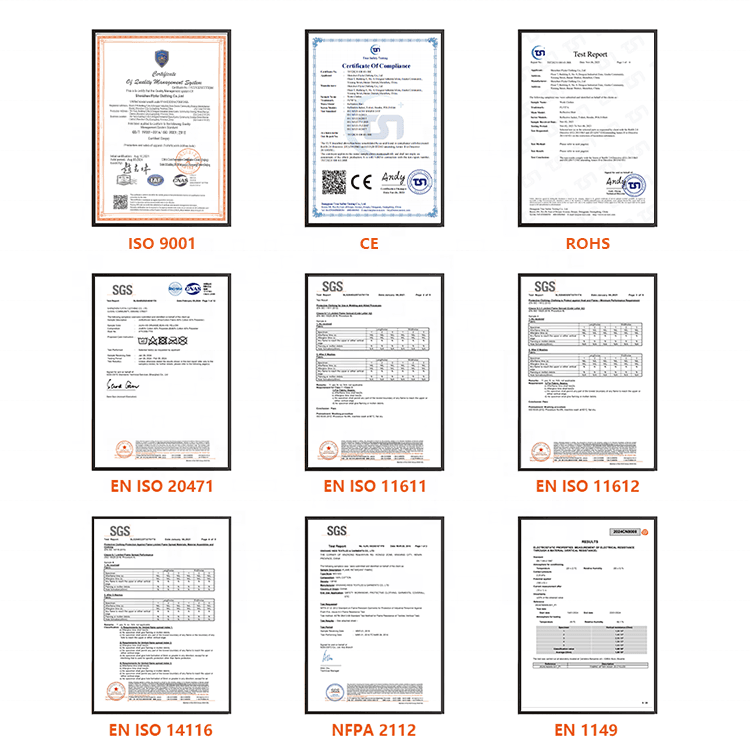
Review the required standards, certificate samples, document needs, and factory capability before confirming quantities, packaging, and delivery details.
CE, EN, ANSI/ISEA and buyer-specific standard checks can be mapped before quoting.
Certificate samples and product compliance files are available for qualified bulk buyers.
Use sample sheets, RFQ templates, and size standards before finalizing order quantities.
Direct factory supply with OEM/ODM support, inspection workflow, and repeat order handling.
Download the checklist, RFQ template, and size sheet, then send quantities and standards through the quote form.
Related Tools
These tools help buyers convert the solution into sizing checks, compliance review, quantity planning, and a faster quote request.
Turn site conditions, hazards, and worker roles into a shortlist of PPE SKUs and a fast quote request.
Build a quoteConvert US, EU, UK, CN, and JP sizing and check width fittings before you lock in footwear specs.
Check sizingDecode ASTM F2413 and EN ISO 20345 markings such as S3, SRC, HRO, EH, and PR in seconds.
Decode labels