


Standards
CE, EN, ANSI/ISEA and buyer-specific standard checks can be mapped before quoting.
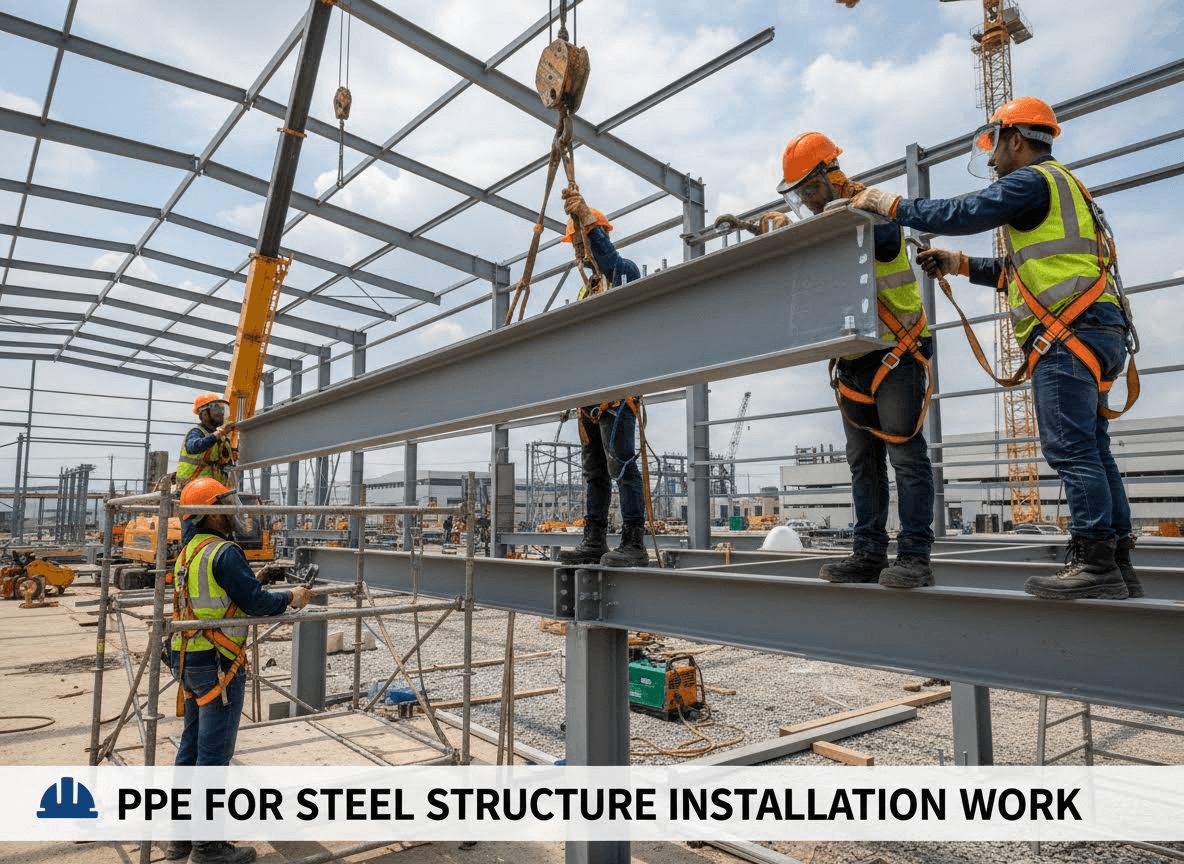
A field-ready PPE guide for structural steel installation, covering fall arrest, connector work, bolting, rigging, welding, grinding, dropped-object exposure, and procurement specifications for steel erection crews.
Steel structure installation is not a single PPE problem. Crews move between unloading steel, rigging lifts, connecting members at height, bolting, welding, grinding, decking, and working around cranes. A useful PPE plan has to match each role and work phase instead of issuing one generic construction kit.
Use this steel erection page for structural frame work, connection assembly, metal decking, rigging support, bolting, field welding, and grinding. For the complete site-wide framework, start with the construction site PPE solution.
For fall-arrest system selection, rescue planning, and elevated-work controls, use the fall protection PPE for construction sites. For scaffold access around steel frames, use the PPE for scaffolding and elevated platforms guide.
| Work phase | Primary exposure | PPE priorities |
|---|---|---|
| Steel delivery and laydown | Swinging loads, pinch points, sharp edges, vehicle movement | Helmet, hi-vis clothing, cut-resistant gloves, toe protection, eye protection where debris or straps can snap back |
| Rigging and hoisting support | Crush points, dropped objects, crane blind spots, sling handling | High-visibility clothing, helmet with retention, grip gloves, safety boots, communication-ready hearing protection when needed |
| Connector work and beam walking | Falls, side impact, dropped tools, unstable footing | Full-body harness, SRL or double lanyard, helmet with chin strap, anti-slip footwear, tool lanyards, cut-resistant gloves |
| Bolt-up and torque work | Hand impact, repetitive tool use, fall exposure, flying scale | Impact gloves, eye protection, hearing protection, fall arrest, stable footwear, helmet retention |
| Field welding and cutting | Arc radiation, sparks, burns, fumes, hot metal | Welding helmet or shield, FR sleeves or jacket, welding gloves, respiratory review, safety boots, eye protection for nearby workers |
| Grinding and surface preparation | Flying fragments, sparks, noise, metal dust | Sealed goggles or safety glasses plus face shield, hearing protection, cut gloves, FR-compatible clothing, respiratory protection where dust or fumes require it |
| Metal decking and edge work | Falls through openings, leading edge exposure, sharp deck edges | Fall arrest or fall restraint, cut-resistant gloves, helmets, footwear with traction, eye protection, controlled access around decking zones |
This crew has the highest fall and dropped-object exposure. The kit should be built around mobility, tie-off transitions, helmet retention, and footwear traction.
Rigging work needs visibility, hand protection, and clear communication around crane movement and suspended loads.
Bolt-up combines hand impact, tool noise, repetitive gripping, and frequent work at height.
Hot work needs a different PPE layer than general steel handling. Do not rely on standard gloves and safety glasses alone.

| Task | Minimum PPE baseline | Add when exposure increases |
|---|---|---|
| Connecting beams | Harness, helmet with retention, cut-resistant gloves, safety boots, eye protection | SRL, double lanyard, tool lanyards, Type II-style helmet, wind-rated retention |
| Bolting and torque work | Helmet, glasses, impact or cut gloves, boots, hearing protection | Face shield, anti-vibration gloves, fall restraint/arrest, radio-compatible hearing PPE |
| Rigging lifts | Helmet, hi-vis, grip gloves, toe protection, eye protection | Cut gloves for sharp steel, hearing protection, weather-rated hi-vis, task lighting for low visibility |
| Grinding and cutting | Primary eye protection, face shield, gloves, hearing protection, FR-compatible clothing | Respirator review, spark-resistant sleeves, fire watch PPE, higher-impact eye/face rating |
| Welding connections | Welding helmet, welding gloves, FR clothing, boots, eye protection for helpers | Welding respirator, local ventilation support, leather sleeves/apron, heat-resistant soles |
| Metal decking | Harness or restraint, cut gloves, helmet, footwear, eye protection | Leading-edge fall plan, controlled decking zone, tool tethering, rescue equipment |
Separate kits by role
Connector, rigger, bolting, welding, grinding, decking, and supervisor kits should not be identical.
Confirm compatibility
Helmet straps, goggles, face shields, respirators, welding shields, earmuffs, and harness straps must work together without creating pressure points or gaps.
Buy sizes, not just units
Harnesses, gloves, helmets, eyewear, and footwear must fit the actual crew. Include replacement sizes for new starters and damaged PPE.
Plan replacement stock
Keep spare gloves, eyewear, filters, earplugs, lanyards, helmet suspensions, and footwear sizes available before high-production phases.
Document standards and inspection rules
RFQs should request relevant markings, declarations, test reports, user instructions, fall-equipment inspection rules, and batch traceability.
Link PPE to the lift and erection plan
PPE should reflect crane zones, access method, fall protection plan, hot work, weather, night work, and rescue assumptions.
The products below are selected as practical procurement prompts for steel erection crews. They should still be checked against the project hazard assessment, applicable local standards, worker fit, and the site fall-protection plan.
For bulk purchasing, group the list into connector kits, rigger kits, bolt-up kits, hot-work kits, and replacement stock instead of buying one generic set for every worker.
| Area | What to verify | Why it matters |
|---|---|---|
| Steel erection scope | Whether the work includes hoisting, rigging, placing, connecting, bolting, welding, grinding, decking, or related steel erection activity | OSHA steel erection requirements are organized around these work activities, so the PPE plan should match the actual phase. |
| Fall protection | Anchor assumptions, connector training, harness sizing, lanyard/SRL compatibility, rescue plan, and inspection records | Steel erection fall thresholds and connector conditions differ from generic ground-level construction PPE decisions. |
| Head protection | Impact type, chin strap/retention, accessory slots, electrical class, condition, and suspension fit | Head protection has to stay on during climbing, leaning, wind, and work beneath suspended or overhead materials. |
| Eye and face protection | ANSI/EN markings, anti-fog need, sealed vs open eyewear, face shield use, welding shade, and helper protection | Grinding, cutting, welding, scale, and wind-blown debris create different eye/face hazards. |
| Gloves | Cut level, impact protection, grip, heat resistance, cuff style, dexterity, and wet/oily handling performance | Steel handling, bolt-up, welding, and rigging usually need different glove families. |
| Footwear | Toe cap, puncture resistance, sole grip, ankle support, metatarsal exposure, heat resistance, and ladder/beam traction | Footwear failures affect both injury risk and worker movement at height. |
| Visibility and communication | Hi-vis class, garment color, retroreflective layout, weather layer, radio use, and hearing protection compatibility | Crane zones and multi-contractor sites depend on visibility and clear communication. |
Fall protection depends on the work activity, height, access method, and applicable local rules. For U.S. steel erection work, OSHA Subpart R includes steel-erection-specific fall protection provisions, including requirements for employees on walking/working surfaces above lower levels and special connector conditions. Treat this as a planning trigger, not a reason to issue harnesses without anchors, rescue, and training.
Use head protection that matches overhead impact, side impact, climbing, wind, and dropped-object exposure. Steel crews working at height often need retention such as a chin strap, and some tasks may justify helmet-style head protection rather than a basic cap-style hard hat.
Usually no. Steel handling needs cut and grip performance, bolt-up may need impact protection and dexterity, welding needs heat resistance, and grinding support may need spark-resistant materials. Standardizing one glove often creates either under-protection or poor usability.
Respiratory protection depends on welding process, base metal, coatings, ventilation, duration, and confined or semi-enclosed conditions. Review the exposure first, then decide whether ventilation, local extraction, or task-specific respirators are required.
A practical kit normally includes fall protection where required, helmet with retention, eye protection, cut or impact gloves, safety footwear, hi-vis clothing, and task add-ons for welding, grinding, rigging, or decking. The exact kit should follow the erection plan and hazard assessment.
Yes. Laifappe can support role-based PPE sourcing for steel erection crews, including fall protection, head protection, gloves, footwear, eye/face protection, hi-vis clothing, and documentation requests for project procurement.
Send the crew size, work phase, height exposure, hot-work scope, and required standards. We can help turn the steel erection plan into practical PPE kits and bulk quotation items.
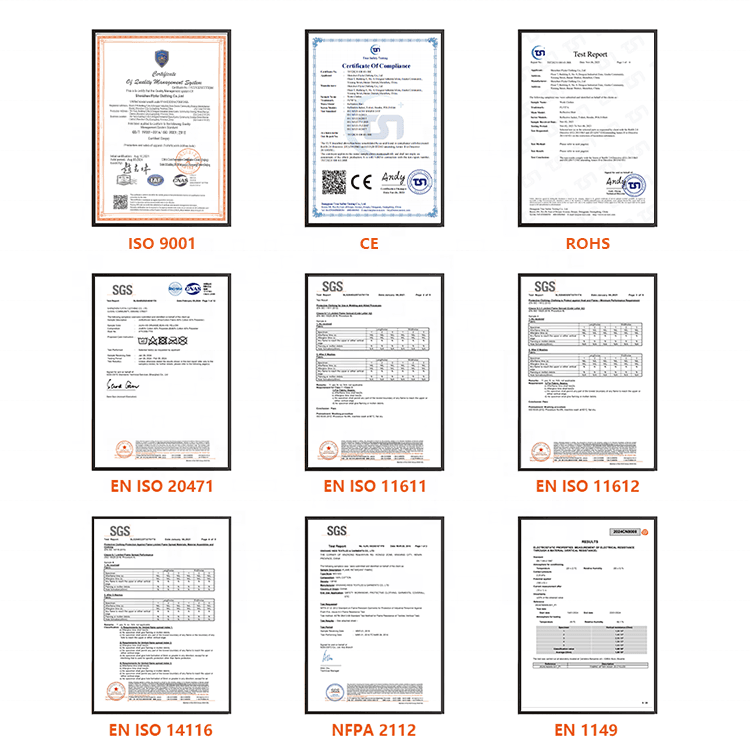
Review the required standards, certificate samples, document needs, and factory capability before confirming quantities, packaging, and delivery details.
CE, EN, ANSI/ISEA and buyer-specific standard checks can be mapped before quoting.
Certificate samples and product compliance files are available for qualified bulk buyers.
Use sample sheets, RFQ templates, and size standards before finalizing order quantities.
Direct factory supply with OEM/ODM support, inspection workflow, and repeat order handling.
Download the checklist, RFQ template, and size sheet, then send quantities and standards through the quote form.
Related Tools
These tools help buyers convert the solution into sizing checks, compliance review, quantity planning, and a faster quote request.
Turn site conditions, hazards, and worker roles into a shortlist of PPE SKUs and a fast quote request.
Build a quoteEstimate monthly usage, replacement cycles, and budget needs before you place a bulk PPE order.
Plan quantitiesDecode ASTM F2413 and EN ISO 20345 markings such as S3, SRC, HRO, EH, and PR in seconds.
Decode labels