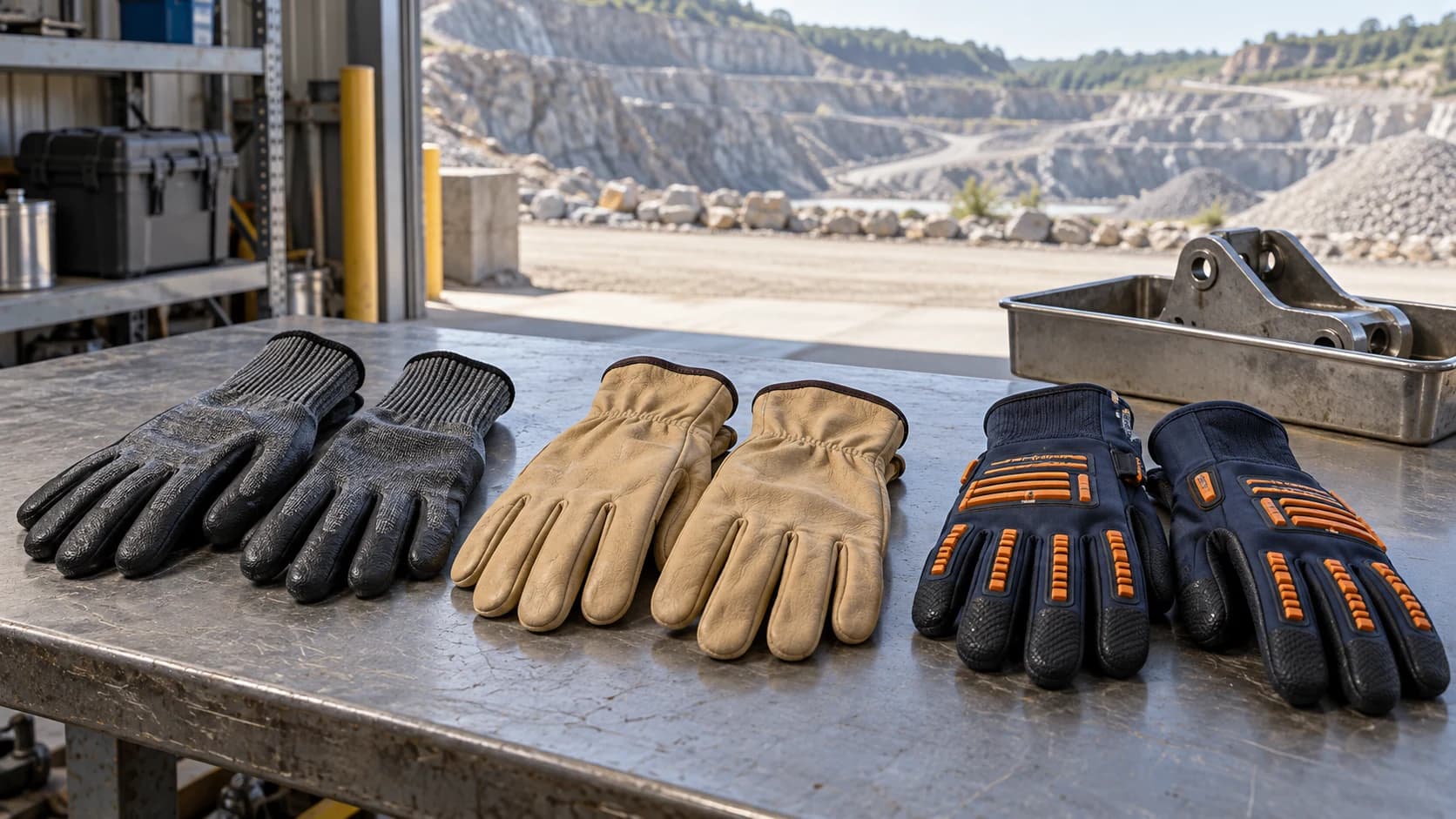
Mining work gloves should be selected for the actual hand exposure and task. Moving rough samples, carrying sharp replacement parts, handling oily components and using a cleaning chemical are different purchasing decisions. One glove issued to an entire maintenance crew can leave important gaps even when it looks durable.
This guide helps mine and quarry safety managers, maintenance supervisors and procurement teams build a glove specification, compare supplier evidence and approve samples. Use the Mining and Quarrying PPE hub to place the glove order within the wider site equipment plan.
Quick Answer: Specify the Task Before the Glove
Start with the material, contact surface, operating state and worker movements. Identify the required protection, then shortlist exact models with evidence for those needs. Approve the size range and handling performance through a controlled trial before setting order quantities.
Use a practical purchasing sequence:
- List separate jobs: rough-material handling, sharp-part handling, oily maintenance, chemical handling and specialist work.
- Confirm the job can proceed under the site's isolation, lifting, guarding and access procedures.
- Record the relevant abrasion, cut, puncture, back-of-hand impact, chemical or thermal exposure separately.
- Ask for the offered model's markings, test information, instructions and limitations.
- Trial fit, grip, cuff coverage and dexterity with representative users in controlled conditions.
- Record the approved model and size allocation, replacement criteria and substitution restrictions.
The categories below are starting points for a buyer brief, not a declaration that any untested glove is suitable for a mine.
Match Mining Gloves to the Handling Task
Describe the actual contact and handling method before comparing samples. Similar-looking jobs may need different glove models or a different work method.
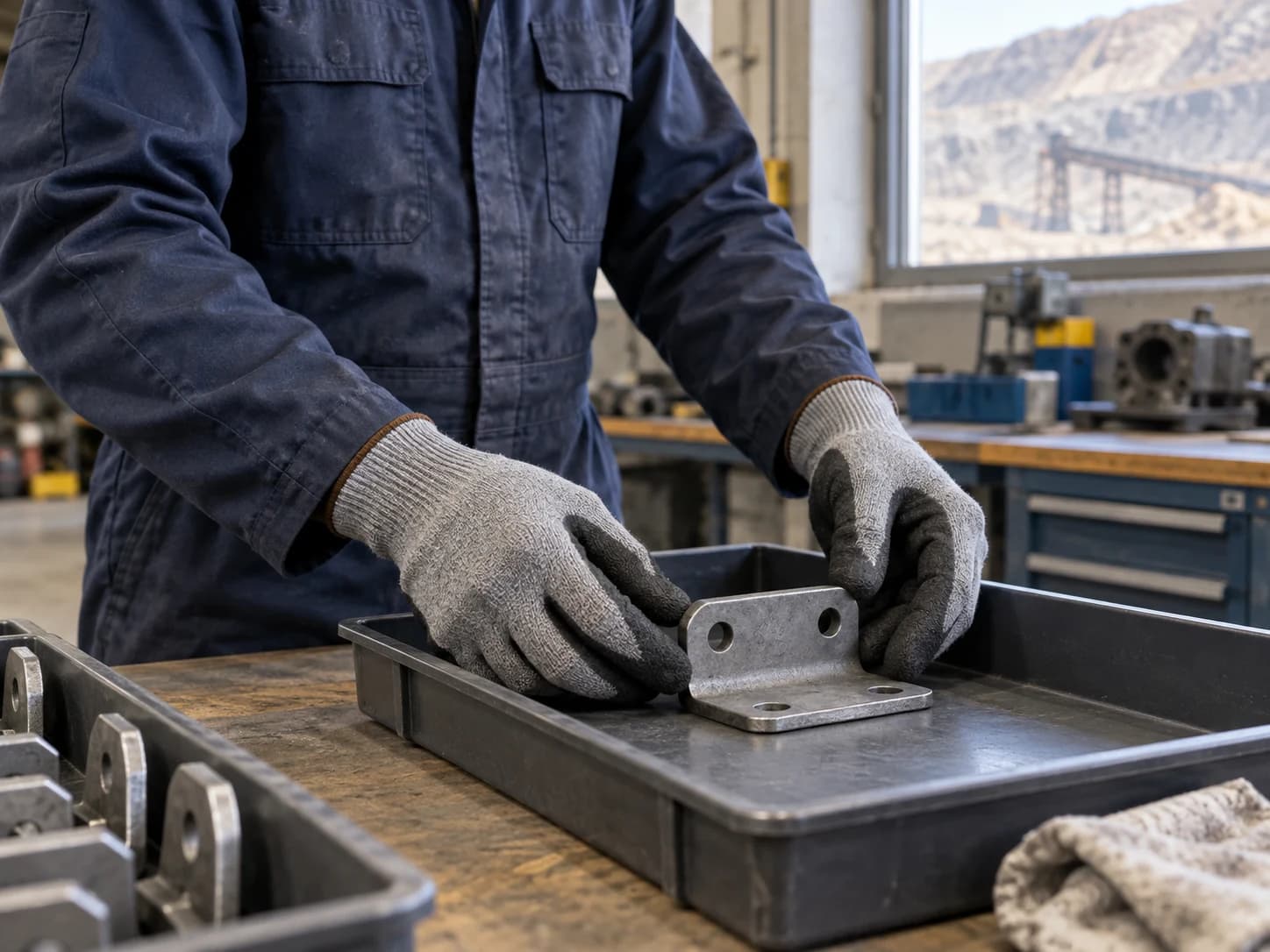
| Task | Questions to record | Shortlist direction | Approval evidence or trial |
|---|---|---|---|
| Handling rough mineral samples, bagged materials or timber | Surface roughness, sharp fragments, moisture, load and handling method | Mechanical-protection glove with the required abrasion, cut or puncture performance | Exact model results and a controlled handling trial; safe load handling remains a separate decision |
| Moving removed plates, screen components or replacement metal parts | Burrs, exposed edges, part stability, weight and hand position | Cut-resistant glove with suitable grip and dexterity; assess other hazards separately | Required cut test and level, coverage, fit and handling aids; no live blade demonstrations |
| Handling oily components at a maintenance bench | Fluid identity, contact duration, slippery surfaces and small fasteners | Grip-focused mechanical glove only where its documented protection matches the exposure | Controlled grip assessment and manufacturer fluid-compatibility advice; palm coating alone is insufficient |
| Handling tools and components with incidental back-of-hand impact exposure | Contact points, force, finger access and the controlled work method | Glove with documented impact performance where the assessment calls for it | Exact impact standard, rating and coverage, plus dexterity checks; no crush-protection promise |
| Using cleaners, degreasers or process chemicals | Exact substance or mixture, concentration, temperature, contact pattern and duration | Chemical-protective glove selected for the named exposure | Model-specific chemical data and written use/replacement guidance |
| Welding, hot parts or electrical work | Specialist exposure, procedure and required PPE system | Separately specified thermal, welding or electrical glove system | Specialist review and the relevant model evidence; ordinary work gloves are not the default |
Keep the completed table with the work order or purchasing brief. For the other equipment issued to each role, use the Mining PPE Checklist by Task.
Resolve Machinery and Stored-Energy Hazards First
A glove order does not authorize access to a conveyor nip point, rotating shaft, unstable load or pressurized system. Stop the selection exercise if the planned job still exposes hands to uncontrolled movement. The responsible site team must establish the safe method, including the applicable isolation and verification steps.
For U.S. surface metal and nonmetal mines, 30 CFR 56.12016 addresses deenergizing electrically powered equipment before mechanical work and preventing inadvertent energization. It is not a complete procedure for every source of stored energy. Other mine types and jurisdictions have their own requirements.
For quarry crushing work, HSE's mobile jaw crusher guidance emphasizes guarding, isolation and safe maintenance arrangements. Glove performance cannot compensate for a missing machine safeguard. Do not select a glove as a way to make contact with moving equipment acceptable.
For the RFQ, describe the intended use as the assessed handling or maintenance task under the site's approved conditions. Avoid broad phrases such as “safe around all machinery” or “prevents crushing injuries.”
Compare Mechanical Protection and Glove Construction
Ratings and construction answer different questions. A coating can influence handling feel, while a tested cut classification documents a particular protective property. Ask for both, then evaluate the complete sample.
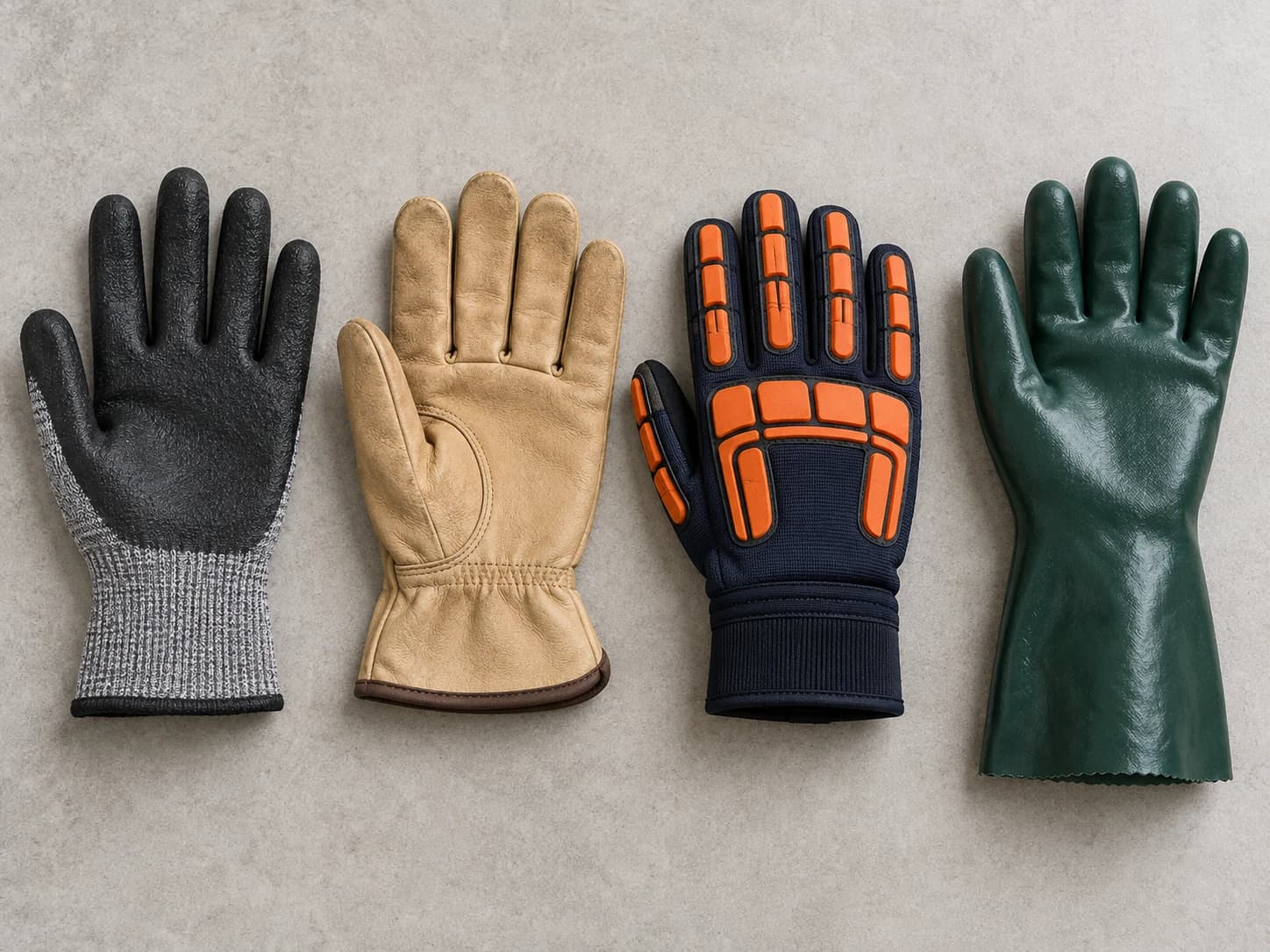
| Feature to compare | Useful purchasing question | What appearance cannot establish |
|---|---|---|
| Knitted liner | Is the exact model tested to the required mechanical performance, and is it offered in the needed sizes? | Fiber name, thickness or color does not establish a cut level |
| Palm coating | Does the sample maintain controlled grip on the specified surface under approved trial conditions? | A dark or textured coating does not establish chemical protection |
| Leather or reinforced handling construction | Are seams, coverage and flexibility appropriate for the assessed job? | A thick palm does not prove cut, impact or chemical performance |
| Back-of-hand guards | What impact test, rating and protected area are documented? | Molded guards do not make the hand crush-proof |
| Cuff and wrist closure | Does the fit maintain the required coverage without obstructing the task? | A long cuff does not establish protection for every substance or machine task |
Use ISEA's hand-protection resources to distinguish ANSI/ISEA 105-2024 hand-protection classifications from ANSI/ISEA 138-2019 impact-resistant glove classifications. The 105-2024 pentagon marking displays abrasion, cut and puncture information; an impact claim needs its own supporting information. Do not convert a cut level into an impact rating.
Where a buyer specifies EN 388, request the exact standard edition, full model marking and supporting mechanical-risk documentation. Do not treat ANSI and EN markings as automatically interchangeable. Chemical, electrical and thermal performance require separate evidence relevant to the claimed property.
The hand-protection category is a sourcing starting point. Category membership and product photographs are not approval records for your mine's task.
Separate Oily Grip From Chemical Protection
An oily component creates two distinct questions: can the worker maintain control of it, and can the liquid harm the skin through or around the glove? A sample that grips well does not answer the second question.
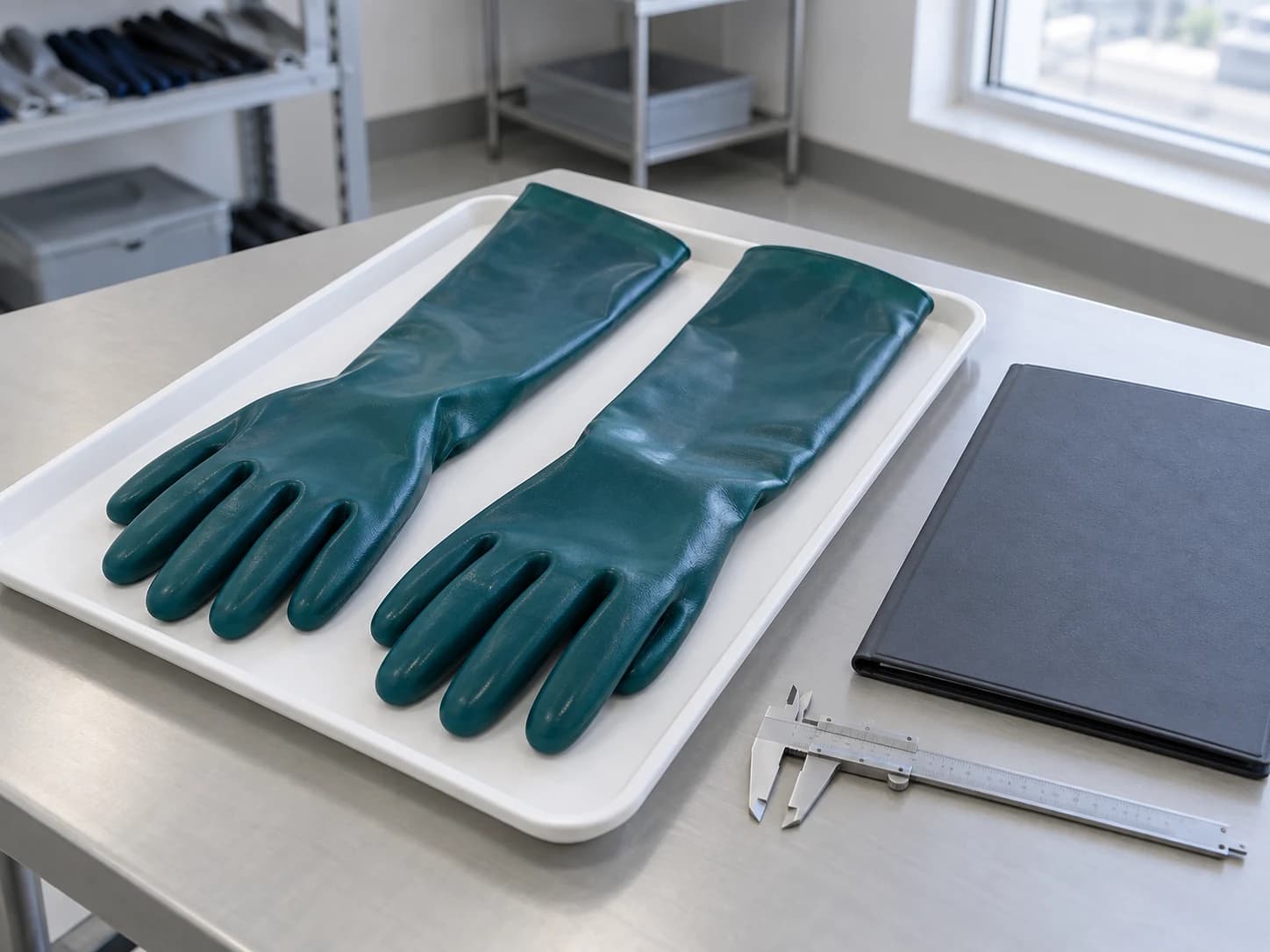
For chemical contact, collect the substance or mixture identity, concentration, temperature and expected contact conditions. Use the safety data sheet together with the glove manufacturer's information for the exact model. HSE's glove-selection guidance explains the importance of chemical selection and the limitations of choosing a material by name alone.
Ask the supplier to distinguish permeation, physical leakage and material degradation. A laboratory breakthrough result is not a universal safe wearing time. Obtain task-specific replacement advice rather than scheduling every glove to the same interval. HSE's chemical-glove selection guide discusses these different performance considerations.
For purchasing, use a separate record for each chemical task:
- Task and exposure owner within the site team.
- Product name and current safety data sheet revision.
- Offered glove model, material, thickness, length and size.
- Relevant test conditions and manufacturer limitations.
- Approved use, removal, replacement and disposal instructions.
Do not carry an oily handling glove directly into a chemical-cleaning task merely because the same worker performs both jobs. Make the approved changeover explicit in the issue plan.
Check Mining Requirements and Supplier Documents
For U.S. surface metal and nonmetal operations, 30 CFR 56.15006 requires suitable special protective equipment and clothing to be provided, maintained and used when the specified hazards can cause harm. That duty does not establish one glove material or rating for every mining job. Confirm the applicable rules for the actual country, mine type and work area.
Use a document review that links the proposed purchase to the offered product:
| Evidence | Check before approval | Hold the order when |
|---|---|---|
| Product identity | Manufacturer, model and construction match the quotation and physical sample | The report describes a different model or an unspecified family |
| Mechanical performance | Standard edition, test method and required ratings are traceable | Only a marketing term such as “heavy duty” is supplied |
| Chemical performance, where needed | Data address the actual exposure and model | Only a generic material chart or unrelated chemical is provided |
| Instructions | Use, limitations, care and replacement instructions can be supplied to workers | Necessary restrictions are absent or conflict with the proposed job |
| Conformity documents, where applicable | Product identity, scope, issuer and validity can be checked | A certificate logo is offered without a verifiable document |
| Change control | Supplier agrees to notify the buyer before altering the approved model | An alternative coating, liner or construction may be shipped without review |
An independent report supports only its documented scope. Do not describe a glove as “MSHA approved” simply because it will be used at a mine, or treat a model's standard claim as approval of every maintenance task.
Run a Controlled Fit and Handling Trial
Choose representative users and the actual size range before deciding the size mix. A supervisor's preferred size is not a workforce measurement. Evaluate the sample with the normal workwear sleeve and any other equipment that affects hand movement.
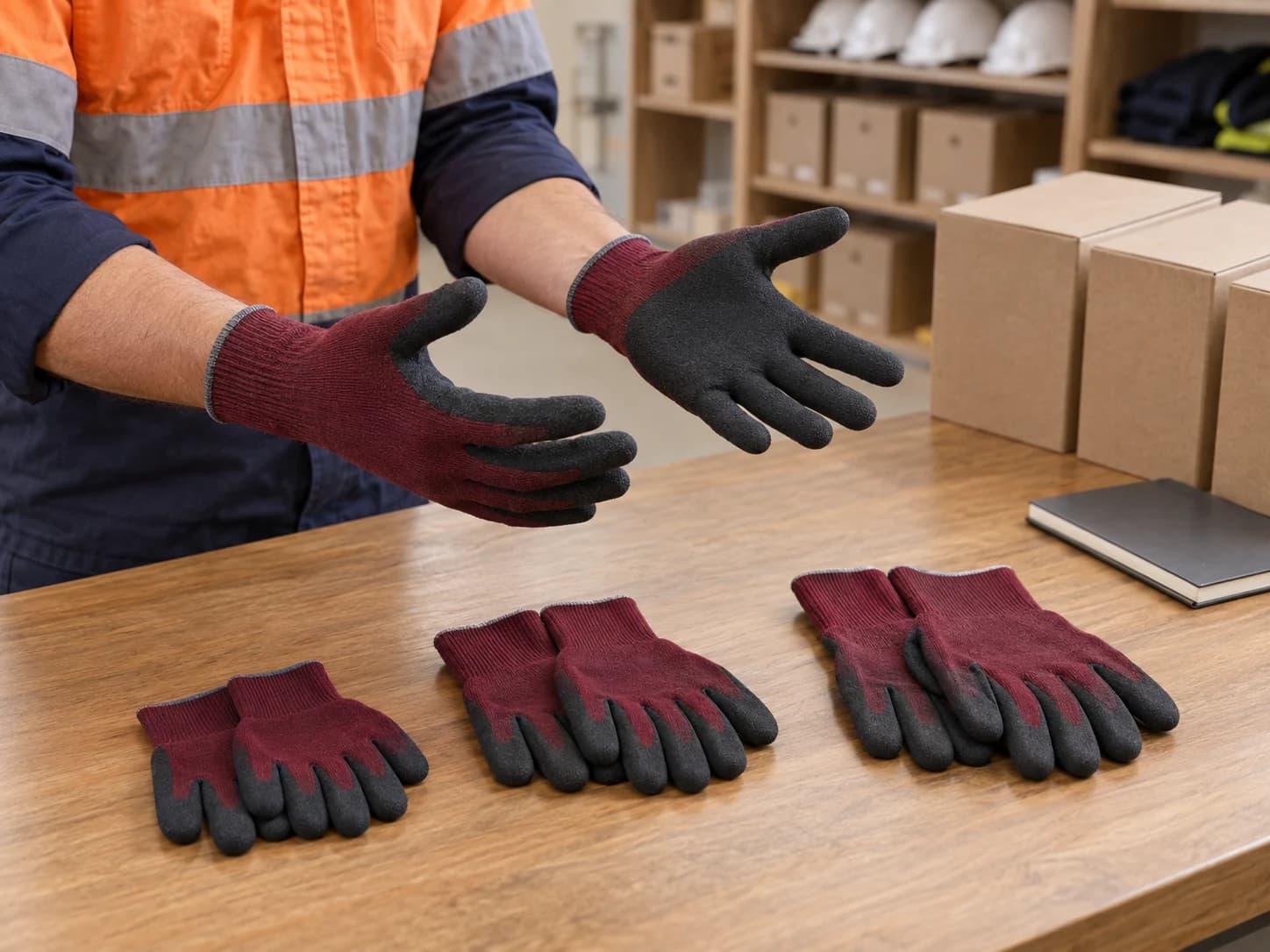
Use clean representative components, stable fixtures and a supervised training or inspection area. The trial should assess usability; it should not expose workers to sharp blades, hazardous chemicals, impact blows or energized equipment to “test” protection.
Record the same observations for each shortlisted model:
| Trial item | What to observe | Decision record |
|---|---|---|
| Finger and palm fit | Fingers reach the glove ends comfortably; palm movement is not restricted | Size accepted, alternate size needed or model rejected |
| Controlled component handling | Worker can place and release the representative item without compensating hand movements | Record the surface and fixture used |
| Small-part dexterity | Worker can manipulate representative fasteners using the planned safe method | Record task difficulty and whether the glove is repeatedly removed |
| Cuff and sleeve interface | Coverage remains as required during the assessed movement | Note required sleeve or cuff changes |
| Comfort over the planned trial | Pressure points, fatigue or excessive internal moisture are reported | Record trial conditions and user feedback |
| Condition after the trial | Seams, coating and reinforcement remain acceptable under the trial criteria | Photograph observations and investigate damage |
Approve a model only when required evidence and the trial both meet the site's acceptance criteria. A successful trial does not establish an untested protection rating.
Inspect, Replace and Store Gloves by Condition
Build the issue process around the manufacturer's instructions and the site's exposure assessment. Give workers a clear route to obtain replacements, including less common sizes, without continuing with a damaged pair.
The local inspection checklist should address holes, open seams, damaged coatings or guards, loss of fit and contamination. Chemical-use gloves may need replacement even without visible damage; follow their approved use schedule and exposure instructions.
Record why gloves leave service. Separate normal wear, poor fit, exposure-related disposal, laundering problems and unexpected damage. This makes a replacement discussion more useful than comparing pair price alone. Do not introduce a fixed service-life promise without supporting instructions and site evidence.
Keep clean stock separate from used or contaminated items. Retain the model identity and care instructions with issued stock. Reuse or laundering should follow the manufacturer's limits and the site's contamination procedure, rather than assuming every washable-looking glove is reusable.
Write a Mining Glove RFQ That Can Be Compared
Send the same task brief and acceptance requirements to each shortlisted supplier. Ask them to identify information they cannot substantiate before the sample order.
| RFQ field | Information to supply or request |
|---|---|
| Site and role | Country, mine type, work area and intended crew |
| Task | Material handling or maintenance activity, with the approved operating conditions |
| Exposure | Surfaces, liquids, chemicals, temperatures and relevant hand hazards |
| Performance | Required test standards, editions, ratings and covered areas |
| Model | Exact manufacturer/model, liner, coating, cuff and reinforcement construction |
| Sizes and quantities | Worker allocation or trial quantities by size; confirm pack configuration |
| Documentation | Markings, instructions, reports and applicable conformity evidence |
| Sample approval | Controlled trial criteria, review owner and accepted sample reference |
| Commercial terms | Currency, unit basis, minimum order, lead time, delivery terms and sample cost |
| Replenishment | Size availability, repeat-order identification and agreed stock review process |
| Substitutions | Written buyer approval before changing the accepted model or construction |
Suggested RFQ wording:
Please quote the attached glove schedule for our specified mining maintenance and handling tasks. Identify the exact model and size range for each line, provide evidence for the requested properties, and state all use limitations. Confirm sample availability and notify us before any product substitution. Chemical-use lines require separate model-specific compatibility information for the named exposure.
Estimate the initial issue quantity from the approved worker allocation. Add trial, replacement and delivery-buffer quantities using your own records; no universal percentage fits every mine. Compare landed cost and actual replacement reasons alongside unit price.
Use the Mining and Quarry Safety Boots guide for the footwear portion of the same crew order. When the glove brief is ready, request a mining glove quotation with the task table, size schedule and document requirements attached.
Buyer Approval Checklist
- Each glove line corresponds to a defined task and exposure.
- The work method resolves machinery and handling hazards before PPE selection.
- Required performance is supported for the offered model.
- Chemical-use decisions have their own exposure and replacement record.
- Representative users have completed the controlled fit and handling trial.
- Accepted sizes, samples and instructions are recorded.
- The supplier's quote states quantities, commercial terms and replenishment arrangements.
- Substitution approval and replacement responsibilities are assigned.
Frequently Asked Questions
Can one pair of gloves cover an entire mining maintenance shift?
Only if the assessment and supporting evidence cover every intended task. A shift containing mechanical handling, chemical cleaning and hot work may need different glove systems and a clear changeover process.
What cut level should mining gloves have?
There is no single level for all mining jobs. Define the actual exposure and required test system, then compare the exact model's results with the site's specification. Do not select a level solely from a job title.
Do impact gloves protect against heavy components crushing the hand?
An impact classification does not establish protection against a heavy load crushing or trapping the hand. Use controlled positioning and handling methods. Back-of-hand performance should be specified only for the assessed exposure within the glove's documented limits.
Are nitrile-coated work gloves suitable for chemical cleaning?
Not from the coating name alone. Chemical use needs the exact model's compatibility information for the actual substance and conditions. Keep the cleaning-glove approval separate from an oily-grip trial.
How should we decide replacement quantities?
Track issue counts by role and size, removal reasons, supplier lead times and unexpected demand. Use these records to plan replenishment after the initial trial; avoid presenting an assumed replacement rate as a proven service life.
Sources and Related Guidance
Sources checked September 13, 2026. U.S. mining rules below are jurisdiction-specific; ISEA and HSE references support the named technical topics and are not universal mine approvals.
- eCFR: 30 CFR 56.15006, protective equipment and clothing.
- eCFR: 30 CFR 56.12016, work on electrically powered equipment.
- ISEA: Hand Protection standards and resources.
- ISEA: ANSI/ISEA 105-2024 labeling usage guidelines.
- HSE: Choosing the right gloves to protect skin.
- HSE: Selecting protective gloves for work with chemicals.
- HSE: Safe operation and use of mobile jaw crushers.
Related Tools
Turn this guide into a faster PPE shortlist
Use the matching tools to check footwear sizing, decode certification labels, or estimate order quantities before you move from research to purchasing.
Safety Boot Size Guide
Convert US, EU, UK, CN, and JP sizing and check width fittings before you lock in footwear specs.
Check sizingSafety Footwear Label Decoder
Decode ASTM F2413 and EN ISO 20345 markings such as S3, SRC, HRO, EH, and PR in seconds.
Decode labelsPPE Quantity Calculator
Estimate monthly usage, replacement cycles, and budget needs before you place a bulk PPE order.
Plan quantities