Buyer next step
Turn this guide into a sourced PPE shortlist with standards, quantities, and role-based kit notes.
Planning tools
Use these tools before moving from this guide into quantities, sizing, labels, or RFQ planning.
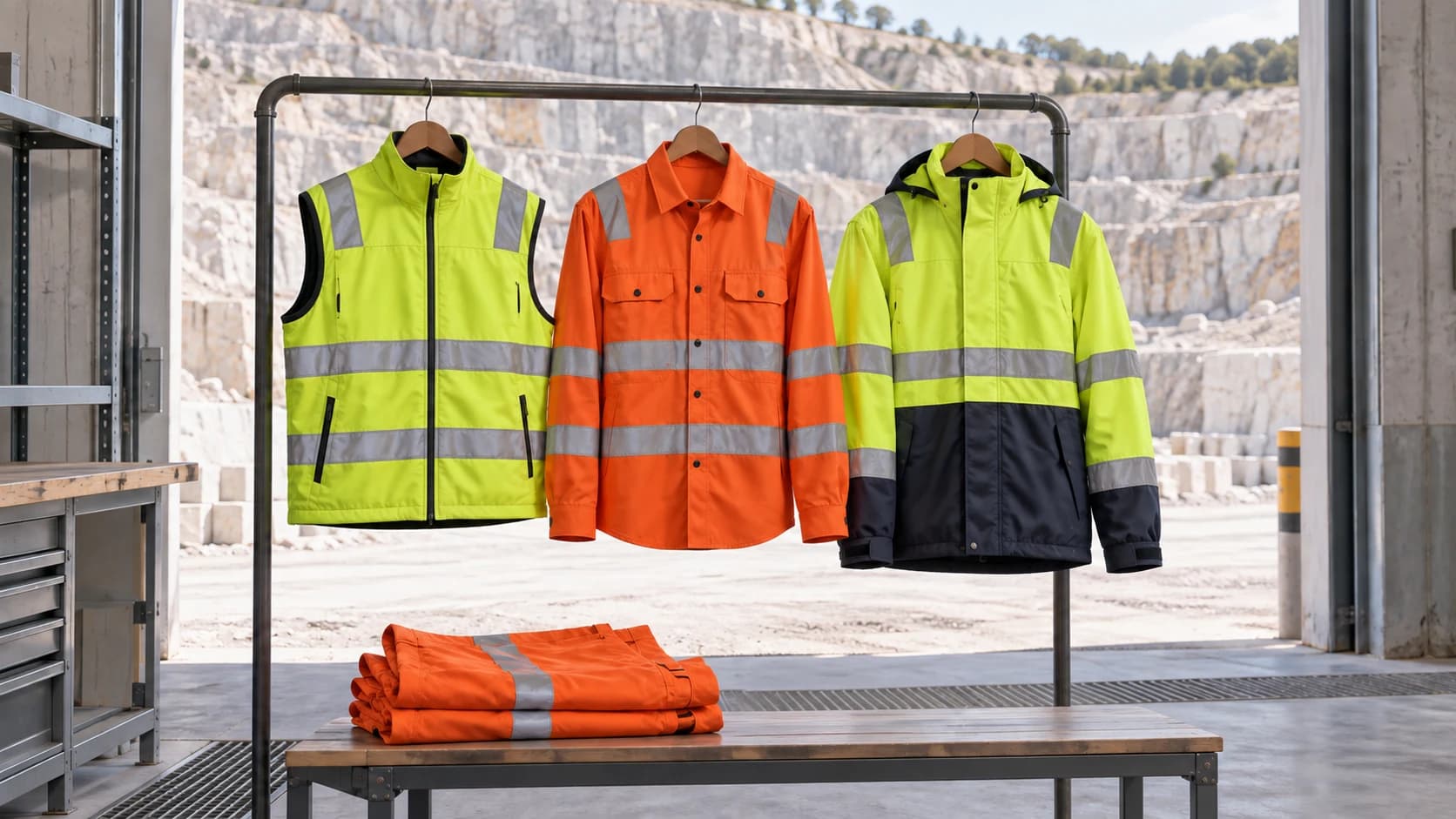
Buying high-visibility workwear for a mine or quarry starts with where people work, how they move around vehicles and what they wear throughout the shift. An inexpensive vest can become a poor purchase if crews cover it with rainwear, cannot close it over winter layers or have no clean replacement while it is being washed.
This guide helps safety managers, site supervisors and procurement teams build a task-based garment schedule. It covers model evidence, garment formats, sample approval, size allocation and replenishment. Use the Mining and Quarrying PPE hub to connect the clothing order with the wider crew equipment plan.
Quick Answer: Approve a Garment System Before Ordering
Write the operating conditions and acceptance criteria before requesting a bulk price. A useful approval sequence is:
- Identify the crew, work area, vehicle interactions and day or night conditions.
- Confirm the applicable site rules, product standard and required performance classification.
- Choose a garment format that remains visible during the actual task and weather conditions.
- Review the exact model, color, size range, labels and supporting documents.
- Trial the complete clothing combination with representative wearers.
- Agree on cleaning, replacement stock, approved alterations and supplier substitution controls.
High-visibility clothing helps make people conspicuous. It does not give a person permission to enter an equipment exclusion zone or establish that a driver has seen them. The clothing specification belongs inside the mine's traffic and task controls.
Match the Clothing Brief to Mine and Quarry Tasks
Separate the order by exposure and work pattern. A weighbridge visitor, haul-truck driver leaving the cab and mechanic in an isolated maintenance bay may need different clothing arrangements even when they work at the same site.
| Crew or situation | Questions for the site assessment | Buyer brief | Sample check |
|---|---|---|---|
| Haul-road inspection or vehicle interface | Where are pedestrian routes, restricted areas and authorized observation points? | Required garment system for the assessed vehicle exposure and lighting | Front, side and rear coverage during walking and normal work postures |
| Crusher and screening support | Are garments exposed to dust, abrasion or snag hazards? | Close-fitting, task-appropriate clothing with a workable cleaning plan | Closures stay secure; loose hems or straps do not interfere with the task |
| Drivers leaving cabs and delivery personnel | When must clothing be donned and where can people safely exit? | Issue and storage arrangement that supports the site's access procedure | Garment is available and fits over normal driving clothes |
| Wet-weather and winter crews | Will waterproof or insulating layers cover the visible garment? | Approved weather combination in the required sizes | Full closure, movement and visible coverage with seasonal layers |
| Maintenance, hot work or electrical tasks | Are there separate flame, thermal, arc or chemical hazards? | Clothing that satisfies each assessed requirement, with compatible outer layers | Exact multi-hazard model evidence and specialist approval |
| Underground crews | What lighting, low-clearance, equipment and emergency arrangements apply? | Mine-specific clothing selection and configuration review | Mobility and visibility under controlled representative lighting |
Coordinate the clothing schedule with the Mining PPE Checklist by Task. Record the approval owner for each group so that a supplier does not resolve an uncertain classification by choosing the cheapest available vest.
Keep Vehicle Controls and Underground Lighting Separate
Visibility is only one part of preventing contact with mobile equipment. MSHA's surface mobile equipment hazard guidance addresses mine-specific hazards, including operator visibility, vehicle condition and equipment-pedestrian interactions. Use that broader assessment to define where clothing is needed; a garment label cannot validate a traffic route.
NIOSH's machinery struck-by guidance describes the importance of equipment design, visibility and controls for workers around mining machinery. Do not turn a clothing trial into a live demonstration involving a person inside a vehicle's operating envelope.
Underground selection needs its own review. NIOSH's archived mine illumination resource discusses low contrast, dust and glare as lighting challenges. Reflective material needs suitable incident light and a useful viewing geometry; it is not a light source. A cap lamp, garment and vehicle lighting system perform different functions.
Use the Open-Pit vs Underground Mining PPE guide when dividing orders between surface and underground crews. Keep any mine-specific electrical, fire or equipment approval requirements in their respective specifications.
Read the Standard, Type and Class Together
As checked on September 16, 2026, ISEA's standards catalog lists ANSI/ISEA 107-2020 for high-visibility safety apparel. The current catalog edition and the edition required by a law, contract or site are not necessarily the same. Ask the buyer's safety lead to record the applicable basis.
The ANSI overview of high-visibility apparel distinguishes garment types by application. The following is a purchasing reference, not a mine-wide minimum-class rule:
| Standard or designation | What it identifies | What the buyer should confirm |
|---|---|---|
| ANSI/ISEA 107 Type O, Class 1 | Off-road occupational application | Whether the assessed work and site requirements permit this selection |
| ANSI/ISEA 107 Type R, Class 2 or 3 | Roadway application | Required type, class, edition and complete garment configuration |
| ANSI/ISEA 107 Type P, Class 2 or 3 | Public-safety application | Role applicability; it is not a default mining designation |
| ANSI/ISEA 107 Class E | Supplemental lower-body apparel | Approved ensemble claim; the item alone is not a complete Class 3 outfit |
| ISO 20471 / applicable EN ISO adoption | High-visibility clothing requirements under a different standard system | Exact edition, class, garment or ensemble coverage and market documentation |
Do not choose Type O solely because a site is privately owned or a task is described as mining. Public-road exposure, the activity, site rules and risk assessment can change the purchasing requirement. Equally, do not assume that a higher printed class resolves poor fit or hidden material.
ISO currently lists ISO 20471:2013 and its 2016 amendment, with ISO/DIS 20471 shown as a draft under development. A draft is not a published replacement. Confirm the applicable regional adoption and conformity route before writing the final order. Matching class numbers across ANSI and ISO systems do not establish equivalence.
For ANSI details, 3M's technical summary of ANSI/ISEA 107-2020 is a useful reference alongside the standard. It distinguishes fluorescent background material from material that returns incident light toward its source. Neither ordinary bright fabric nor a strip of shiny tape proves complete-garment conformity.
Compare Vests, Shirts, Jackets and Coveralls
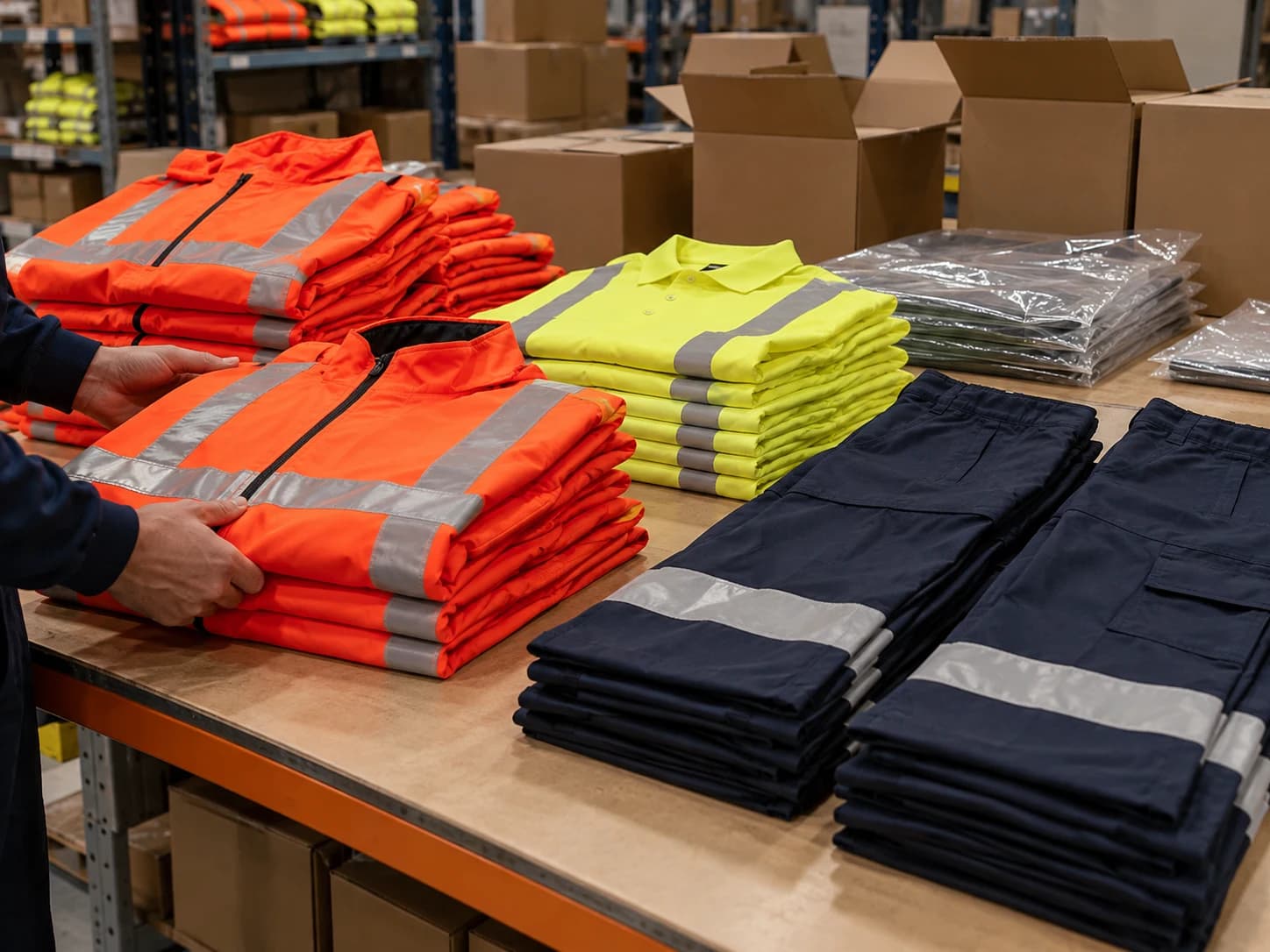
Choose the garment format around the shift. Compare how each option will be worn, cleaned and replaced, then verify the performance of the offered model. Product names such as “mining vest” or “reflective coverall” are not classifications.
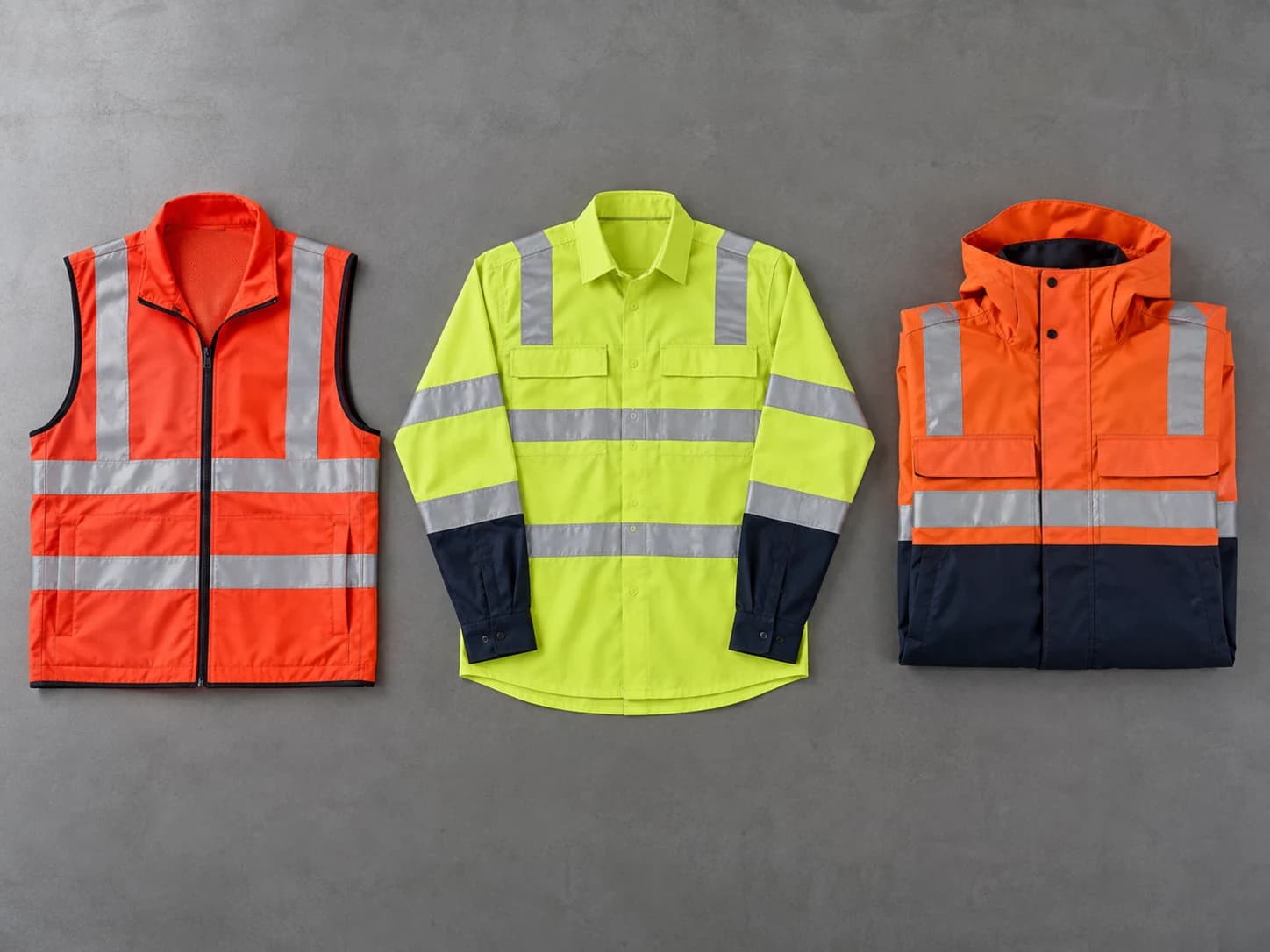
| Format | Purchasing advantage to assess | Common fit or use issue | Evidence and sample focus |
|---|---|---|---|
| Sleeveless vest | Quick issue for approved visitors or selected tasks | Left open, covered by a jacket, or too loose for the work | Closure, size range and suitability for the assessed exposure |
| Long-sleeve shirt or polo | Can serve as the everyday visible work layer | Sleeves rolled or fabric covered by other clothing | Intended wearing configuration, material performance and comfort |
| Weather jacket | Can preserve visible coverage during wet or cold shifts | Excess bulk, overheating or incompatibility with other PPE | Weather performance separately from visibility; full layered fit |
| Coverall | Integrated upper and lower workwear allocation | Restricted reach, incorrect torso length or difficult changing | Complete size chart, movement trial and model documentation |
| Trousers or bib garments | Lower-body coverage within a planned system | Treated as a complete class upgrade without assembly evidence | Applicable supplemental or ensemble designation and pairing |
The table organizes sample requests; it does not rank the formats from least to most protective. Two garments with the same outline can have different performance, sizes and use limitations.
Start a sourcing shortlist from the hi-vis workwear category. Require the documents for the actual offered model, including the color and size variants you intend to buy, before approving it for site issue.
Check the Outer Layer and Complete Worn Kit
Trial the clothing as workers will wear it. A compliant shirt hidden beneath an ordinary opaque jacket cannot provide the visible coverage that the shirt was selected to provide. Select a suitable visible weather layer or another documented combination that meets the task requirements.
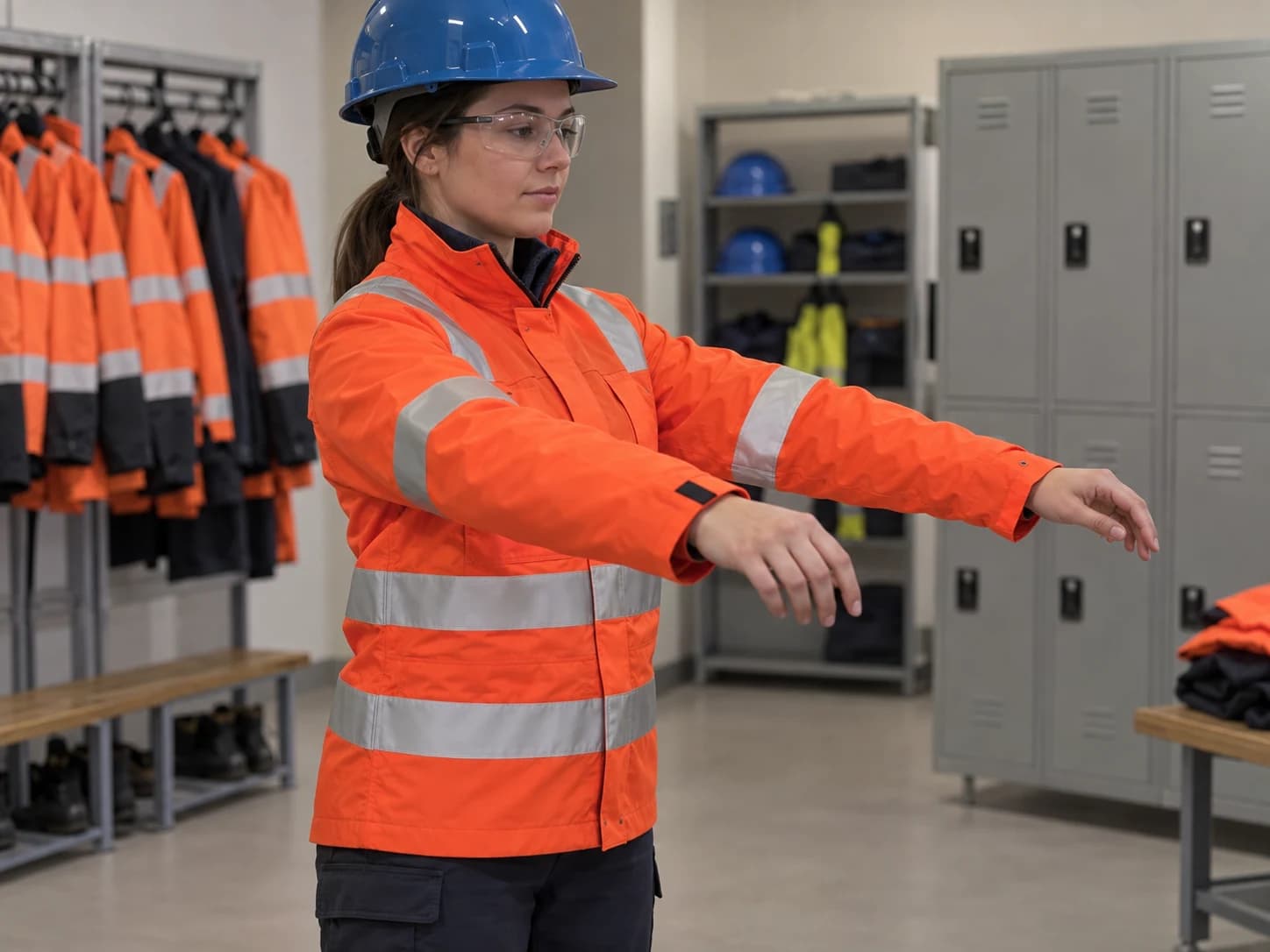
Check the front, back and sides while the wearer stands, bends and reaches in a safe fitting area. Include radios, tool belts, respirator equipment and other items normally worn. Identify material hidden by equipment, rather than assuming the garment's label approves every combination.
For harness use, follow the fall-protection manufacturer's instructions and an approved compatibility arrangement. Do not relocate straps, cover inspection points or change an attachment route simply to show more reflective material. Resolve the combined requirements before purchasing.
Verify the intended closure position and fit over seasonal layers. Include different body proportions and workers who need shorter, longer or alternative cuts. Ordering a larger size is not a universal solution if it creates loose material or prevents the garment sitting correctly.
The Quarry Eye and Face Protection guide provides a related approach to checking worn equipment together. Record the approved clothing and accessory combination so that the issue team can reproduce it.
Specify Additional Hazards Without Assuming Extra Protection
Keep visibility, weather resistance and thermal or electrical protection as separate approval questions. A fluorescent coverall is not automatically flame resistant; flame resistance alone does not establish an arc rating or suitability for a particular electrical task. Require evidence matching the hazard assessment and the exact clothing system.
Do not add an ordinary synthetic vest over required thermal protective clothing without reviewing its suitability. Check closures, reflective components, logos and repairs as part of the offered model, not only the main fabric. Changes after sample approval may need a fresh review.
For chemical cleaning, oils or other contaminants, confirm both exposure suitability and the permitted decontamination process. A washable garment does not automatically protect against a substance. Similarly, water repellency should not be treated as a documented waterproof or chemical-splash rating.
Comfort affects whether the selected clothing will be worn as intended. Record complaints about heat, restricted reach, weight or changing between tasks, then revise the approved options. Do not resolve overheating by removing required coverage or improvising alterations.
Inspect, Clean and Replace by Condition
Set care requirements before the bulk order. HSE's workplace transport clothing guidance supports selection for the task, wearer and other PPE, together with cleaning and maintenance. Its page also contains legacy standards references; use the current standard sources above for specification details.
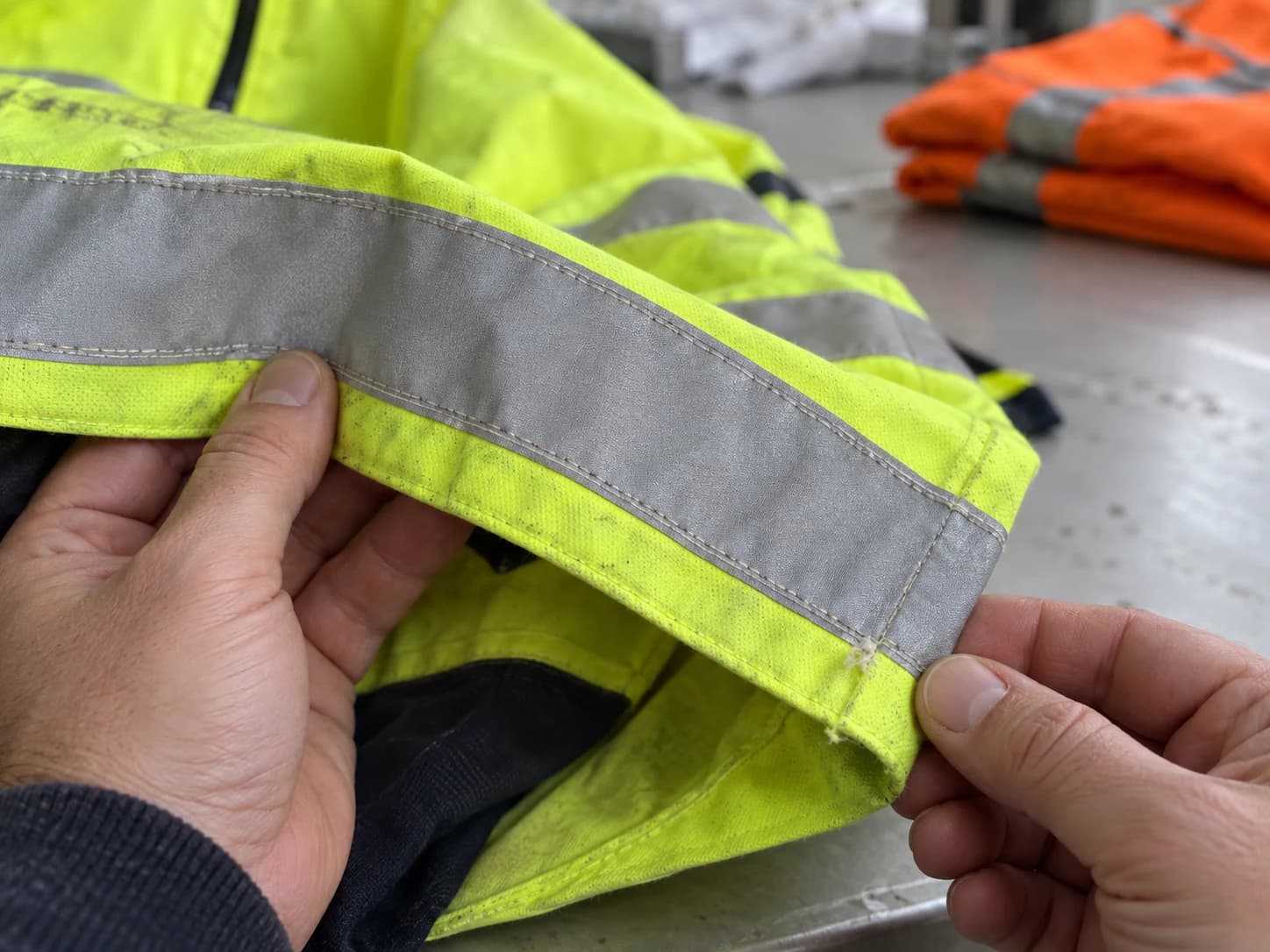
For each offered model, obtain the permitted washing and drying method, relevant restrictions, storage guidance and any stated maximum cleaning cycles. Do not copy instructions from a similar-looking garment or assume a domestic machine and an industrial laundry process are interchangeable.
Before issue and reuse, inspect the fluorescent fabric, reflective bands, seams, fasteners and overall fit. Look for contamination that cannot be removed as instructed, fading, damaged or detached bands, holes and closures that no longer hold the garment correctly. Use the manufacturer's rejection criteria and the site's inspection process.
A stated wash-cycle limit is not a promise that a garment remains serviceable until that count. Damage or contamination can require earlier replacement. Do not use a phone flash photograph or a casual headlight check as proof that the garment still meets a laboratory performance requirement.
Keep clean stock available while garments are being washed or inspected. Separate rejected and contaminated clothing from ready-to-issue stock. Approve repairs and replacement components through the supplier's instructions; adding tape or stitching a logo across visible material can change the approved design.
Build a Size and Replenishment Plan
Order by approved configuration and actual size allocation. Request samples before locking the size curve, and document the seasonal layers used during fitting. Keep the issue register separate from estimates used for budgeting.
| Planning input | Record for each crew | Purchasing use |
|---|---|---|
| Wearers and assigned tasks | Active headcount and approved configuration | Initial allocation by model and size |
| Issue quantity | Garments per wearer for the local shift and care arrangement | Enough serviceable clothing during laundering |
| Cleaning turnaround | Collection, wash, drying and return process | Rotation stock and practical reorder timing |
| Replacement history | Damage, contamination, loss, fit changes and rejection reasons | Evidence-based replenishment assumptions |
| Reserve stock | Approved sizes, contractor demand and supplier lead time | Defined buffer rather than an unexplained percentage |
| Model continuity | Agreed substitutes, material changes and spare availability | Avoid unreviewed replacements during urgent reorders |
Use a transparent calculation: initial requirement equals the sum of approved wearers in each configuration multiplied by its issue quantity, plus agreed reserve stock, minus usable stock already available. Keep quantities by model and size so that unlike garments are not combined into one undifferentiated total.
The PPE quantity calculator can support the planning assumptions. A calculated total does not establish a garment's service life. Review the assumptions after the first issue and cleaning cycle using actual site records.
Write a Comparable Mining Workwear RFQ
Ask suppliers to quote the same task configurations, documents and size schedule. A low unit price is difficult to compare if one offer excludes the required weather layer, has a different cleaning process or cannot maintain the approved model for reorders.
| RFQ field | Information to provide or request |
|---|---|
| Site and users | Country, mine or quarry type, roles, surface or underground use and shift conditions |
| Required visibility | Standard edition, type and class where applicable, plus site-specific requirements |
| Offered identity | Manufacturer, exact model, color options, size range and garment or ensemble designation |
| Other hazards | Separate weather, flame, arc, chemical or other requirements from the task assessment |
| Evidence | Label photographs, instructions, conformity documents and relevant model reports |
| Sample approval | Representative wearers, seasonal layers, worn equipment and acceptance criteria |
| Branding and alterations | Location, method and permitted size of any logo or modification, subject to review |
| Care and replacement | Cleaning method, restrictions, stated cycle limits and rejection or repair instructions |
| Quantity and supply | Approved units by model and size, reserve stock, lead times and repeat-order availability |
| Commercial basis | Currency, unit price, pack size, MOQ, delivery terms and sample or branding charges |
| Change control | Written approval before substituting fabric, tape, closures, garment model or configuration |
Suggested supplier request:
Please quote our mining and quarry workwear schedule by model, color and size. Identify the claimed standard and classification for each item or documented ensemble. Provide the model evidence, care instructions and samples required for our approval. List any unmet requirement and obtain written agreement before changing the approved design or components.
Compare lifecycle costs using the site's issue and care records. Include laundry, repairs allowed by the manufacturer, replacement demand and availability of the approved size range. Avoid assigning every garment an unsupported six-month or annual replacement period.
When the requirements are ready, request a mining workwear quotation with the quantity schedule and sample criteria attached.
Buyer Approval Checklist
- Each crew has a defined task, work area and clothing configuration.
- Site controls address vehicle interaction and restricted areas independently of clothing.
- The standard edition and required classification are recorded.
- Evidence identifies the actual model, variants and any approved ensemble.
- Required visible material remains effective in the intended worn configuration.
- Additional hazard claims have been checked separately.
- Representative wearers have trialed movement, closure and seasonal layering.
- Care, rejection, replacement stock and substitution rules are agreed before ordering.
Frequently Asked Questions
Is Type O Class 1 enough for every mine or quarry?
No. “Off-road” is not a complete risk assessment. Confirm the actual vehicle exposure, work activity, public-road interface and applicable site requirements before selecting the classification.
Do night-shift miners always need a particular Class 3 garment?
Do not infer a universal legal requirement from the shift name. The site assessment and applicable rules must define the needed system. Darkness, lighting and the task deserve specific review, and adding material does not correct an equipment blind spot.
Is orange better than yellow-green for quarry clothing?
There is no universal choice based only on industry. Compare the permitted colors against the actual background and site rules, then review the offered model. Color preference cannot substitute for documented performance.
Can a rain jacket be worn over a hi-vis vest?
The worn arrangement must preserve the required visibility and satisfy the weather and task requirements. An ordinary opaque jacket can hide the vest. Approve a suitable weather garment or documented combination before issue.
Does reflective workwear also provide flame or arc protection?
Not automatically. Require the separate performance evidence needed for the assessed hazard and the full clothing combination. A visibility marking or a generic “FR” description is insufficient to establish all of those properties.
Should every crew receive the same number of spare garments?
Base the allocation on shift patterns, cleaning turnaround, usable stock and replacement records. Document a reserve by model and size, then revise it after actual use instead of applying one unsupported percentage to the entire mine.
Sources and Further Reading
Sources checked September 16, 2026. Apply the rules and product documentation relevant to the jurisdiction, mine and work activity. Guidance and standards summaries do not approve a particular garment model.
- ISEA: current standards catalog, including ANSI/ISEA 107-2020.
- ANSI: high-visibility safety apparel overview.
- ISO: ISO 20471:2013, amendment and revision status.
- 3M: ANSI/ISEA 107-2020 technical summary.
- MSHA: identifying surface mobile equipment hazards and risks.
- NIOSH: mining machinery struck-by injuries.
- NIOSH: mine illumination, archived technical resource.
- HSE: workplace transport high-visibility clothing guidance.
Related PPE
Source the PPE covered in this guide
Move from research to a buyer shortlist with the matching solution page, category paths, selected PPE options, and RFQ next steps.