Low-cut industrial footwear
Safety Shoes
Low-cut safety shoes with toe and puncture protection
Showing 6 of 6 products
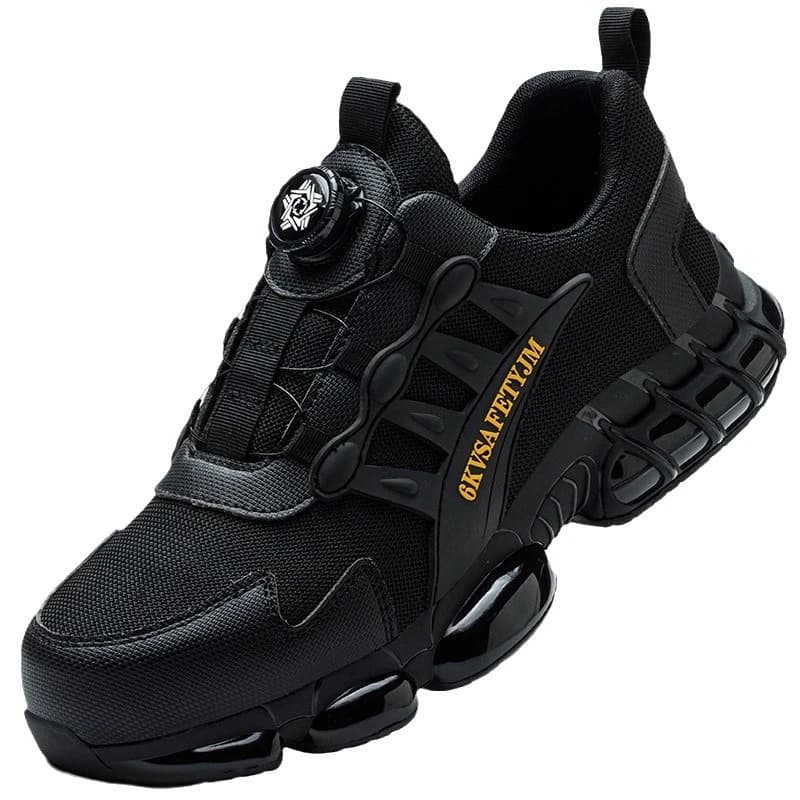


Low-cut industrial footwear
How buyers compare safety shoes for lighter daily work
Safety shoes usually appeal to buyers looking for lighter, lower-cut industrial footwear rather than the heavier coverage associated with boots. That makes the page relevant for warehouse, assembly, and general site movement queries.
Most buyers here are balancing lighter comfort against the amount of protection the job still requires.
How to choose safety shoes
- 1
Confirm the work environment suits a lower-cut safety footwear style.
- 2
Compare toe protection, underfoot feel, and upper design for daily wear.
- 3
Balance lightness and comfort against the protection needed for the job.
- 4
Keep safety shoes separate from boots so lighter footwear options stay easy to compare.
Typical safety shoe applications
What buyers compare in safety shoes
- Weight
- Comfort
- Low-cut mobility
- Daily use practicality
Safety Shoes catalog signals
The products currently listed here share the following themes, which gives buyers a quicker summary of what shows up most often in this range.
Useful next paths
Use these links to move into the most relevant nearby categories, product pages, or the broader parent range when you need a wider comparison.
Related categories
Popular products
View 6kV Insulated Anti-Puncture Safety Shoes with Quick-Lace Dial
Open the product page to review specifications, images, and use details for this item.
View Summer Steel Toe Safety Sneakers, Anti-Puncture & Slip-Resistant
Open the product page to review specifications, images, and use details for this item.
View S3 Steel Toe Anti-Slip Puncture-Resistant Leather Work Shoes
Open the product page to review specifications, images, and use details for this item.
View Lightweight Unisex Steel Toe Safety Shoes with Kevlar Midsole
Open the product page to review specifications, images, and use details for this item.
Safety shoes FAQ
Why do safety shoes need their own page separate from safety boots?
Because buyers searching for safety shoes are usually prioritizing lighter everyday wear and lower-cut mobility, which is different from what boot buyers usually need.
Are safety shoes only for light-duty work?
Not necessarily, but they are often chosen when comfort and movement matter alongside core protection features.
What should buyers compare on a safety shoes page?
Lighter industrial footwear, warehouse and everyday site use, and the differences from boots are usually the most helpful comparisons.